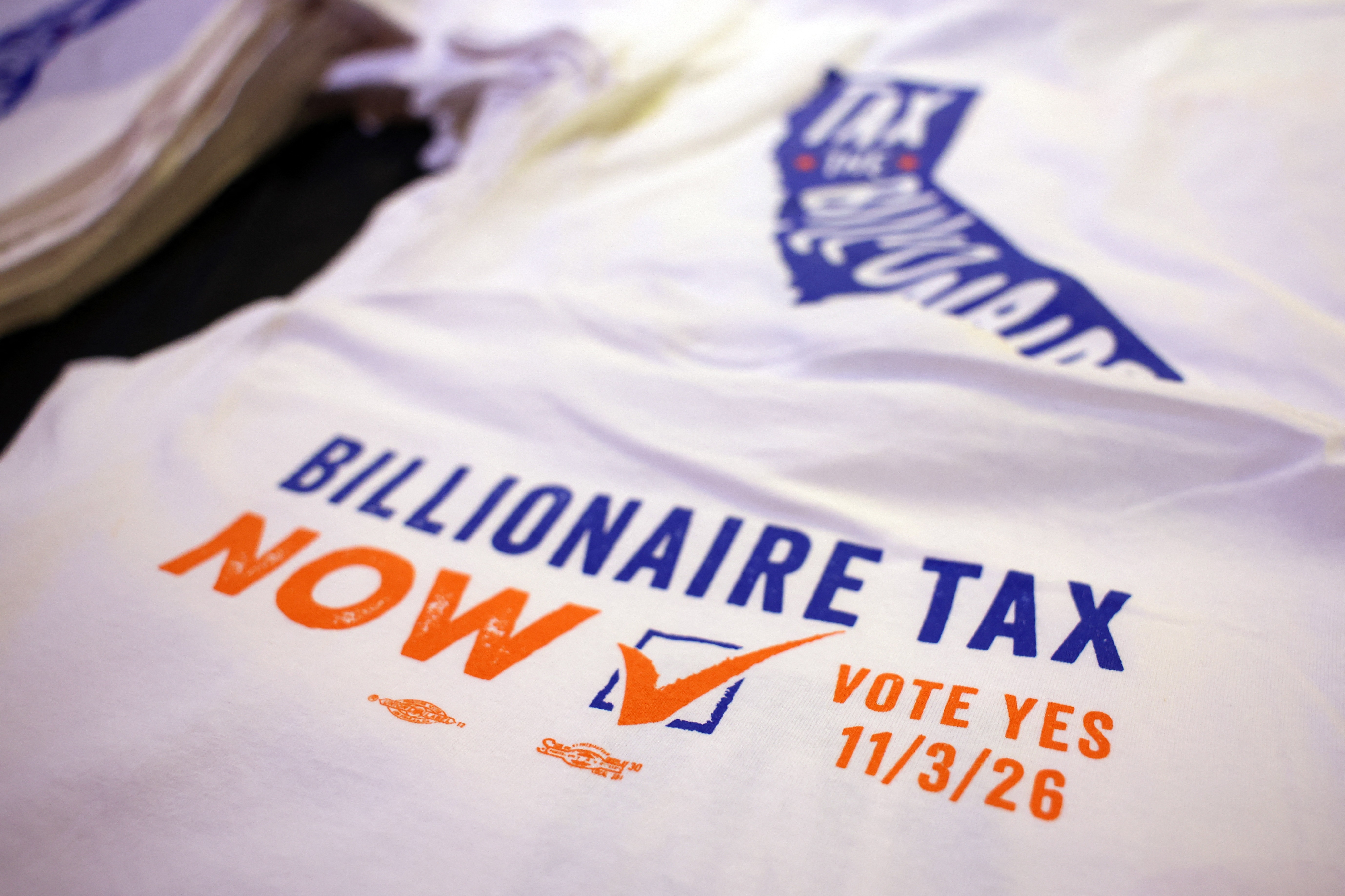
The most important thing about California’s proposed billionaire wealth tax is not that it targets billionaires.
It is that it creates a new pathway for Sacramento politicians to tax ordinary wealth in the future without going back to voters statewide.
That is the part voters need to understand before they get distracted by the campaign’s sales pitch.
Today, Californians have a critical protection: If the state wants to impose this kind of direct tax on wealth, it needs voter approval. This measure changes that.
It asks voters to approve a one-time 5% tax on the property of billionaires — but buried in the structure is something far broader. Once this authority exists, the legislature can build on it by a two-thirds vote.
And Democrats already control well over two-thirds of both houses of the California Legislature.
So the real question is not whether billionaires can afford it. The real question is whether voters are about to hand Sacramento new power over everyone’s net worth.
Backers of the measure say they have collected 1.5 million signatures, around twice the number needed to qualify for the November ballot. That makes this measure highly likely to appear before California voters.
The pitch will be simple: Billionaires have too much money, California has too many needs, and a 5% tax on extreme wealth is only fair.
That argument is politically useful, because it makes the measure sound narrow.
Most voters are not billionaires. Most voters do not know billionaires.
The campaign wants the average Californian to think this has nothing to do with them.
But that is exactly how bad tax policy gets sold in California. First, voters are told it only applies to “the rich.” Then the government builds the machinery. Then Sacramento discovers the original target was not enough.
A wealth tax is not an income tax. It is not a sales tax. It is not a property tax in the traditional sense. It is a direct government claim against accumulated net worth.
That means the state gets to determine what someone owns, what those assets are worth, and how much of that wealth can be confiscated.
Stocks. Businesses. Partnership interests. Real estate. Private assets. The whole concept requires a machinery of valuation, auditing, enforcement, and collection.
Once California creates the legal and administrative framework for taxing net worth, the fight changes. It is no longer whether the state can tax wealth. It is only how far Sacramento wants to go.
The measure does not merely impose a one-time tax and then disappear. It creates a constitutional and statutory framework around wealth taxation. That framework is the prize.Once voters approve it, the legislature gets room to build on it. Lower the threshold. Broaden the target. Change the categories. Capture more people.That is not paranoia. That is the logical next step once the power exists.And if anyone thinks Sacramento’s progressive appetite for new revenue will stop with billionaires, I have an igloo to sell them in Arizona.Look at who controls the Capitol. Look at the permanent spending demands by this governor and legislature, who see more government spending as the solution to all things. Look at the constant search for new revenue.
Then ask whether a future governor and legislature, already armed with supermajorities, would really leave this new taxing authority untouched.Of course they would not.
The campaign will be about billionaires. The consequence will be about power.
Voters are being asked to approve a tax that sounds limited, targeted, and painless. But the real effect is to create a new category of taxation, and to move future decisions away from statewide voters and toward Sacramento politicians.
And after that, anyone with a home, a retirement account, a business, savings, investments, or anything else Sacramento decides counts as taxable wealth.
That is the danger. Not just the first bite. The machinery.
The fine print is not incidental. It is the whole ballgame.
Jon Fleischman is a longtime California political strategist. His writing can be found on his Substack at www.SoDoesItMatter.com.
California Post News: Facebook, Instagram, TikTok, X, YouTube, WhatsApp, LinkedInCalifornia Post Sports Facebook, Instagram, TikTok, YouTube, XCalifornia Post Opinion California Post Newsletters: Sign up here!California Post App: Download here!Home delivery: Sign up here!Page Six Hollywood: Sign up here!