Travelers hoping airfares will fall once jet fuel prices cool down could be in for a rude awakening.
Airline CEOs are already signaling they plan to keep ticket prices elevated — even if their biggest cost starts to ease.
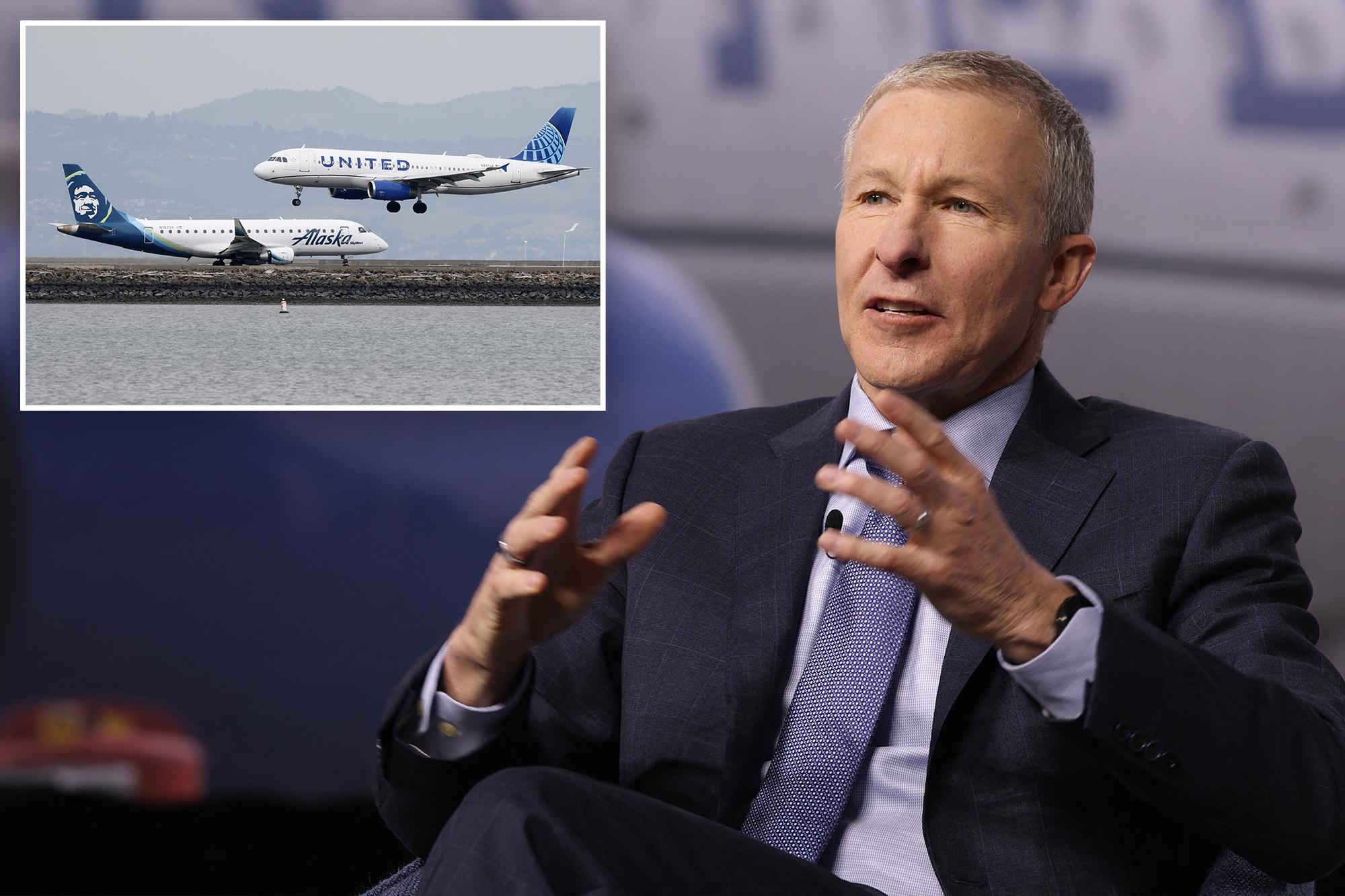
“The longer consumers pay these prices and airlines get used to this revenue stream, the more likely it is (to hold),” Scott Kirby told investors on United’s latest earnings call last week.
Passengers are already feeling the squeeze. United flyers are paying about 20% more per mile than they did a year ago.
American Airlines CEO Robert Isom struck a similar tone, telling analysts he’s “bullish” on maintaining higher fares even if fuel costs retreat.
“I think that what you’re seeing is recognition that travel is still a good deal,” Isom said.
Delta CEO Ed Bastian signaled the airline plans to keep fares elevated even if oil prices stabilize after the Iran-driven surge.
He said Delta intends to “retain” the pricing gains tied to higher fuel costs, which have already led to fee hikes, including checked bag charges rising as high as $200.
The surge in ticket prices comes as jet fuel — the industry’s single biggest variable cost — has spiked sharply since the latest escalation in the Iran conflict.
Prices were hovering around roughly $2.50 per gallon in late February before US and Israeli strikes reignited hostilities. Within weeks, they nearly doubled — climbing toward $5 a gallon by early April.
Jet fuel averaged about $2.58 per gallon in early 2024 and fell below $2 last year before surging to roughly $3.70 by March of this year.
Carriers have little choice but to pass those costs along to consumers.
“Jet fuel is up 100% in cost. The airlines have to pass it on to stay profitable,” Derek Reisfield, co-founder of MarketWatch and a former McKinsey consultant focused on transportation, told The Post.
But Reisfield warned the bigger shift may come from how airlines respond — not just to fuel, but to competition.
“Since airlines are a high fixed-cost business, any incremental revenue has a large impact on their profits,” he said, noting the industry has long struggled to maintain pricing power.
That dynamic has changed as weaker players fall away.
Budget carrier Spirit Airlines — which filed for bankruptcy twice in the past two years — has helped keep fares low, but its troubles are giving larger rivals more room to raise prices.
The Trump administration is reportedly mulling a plan to take over the struggling carrier.
“If you remove low-cost competition from the equation… consumers will have fewer options and higher prices,” Reisfield said.
He added that travelers may feel the biggest impact if airlines cut flights rather than just raise fares.
“The result that would worry me most… is if airlines reduce their fleets and flight schedules,” Reisfield said.
“That would tend to boost prices as supply gets reduced.”