Analysts are divided on who has the most to lose as the conflict drags on
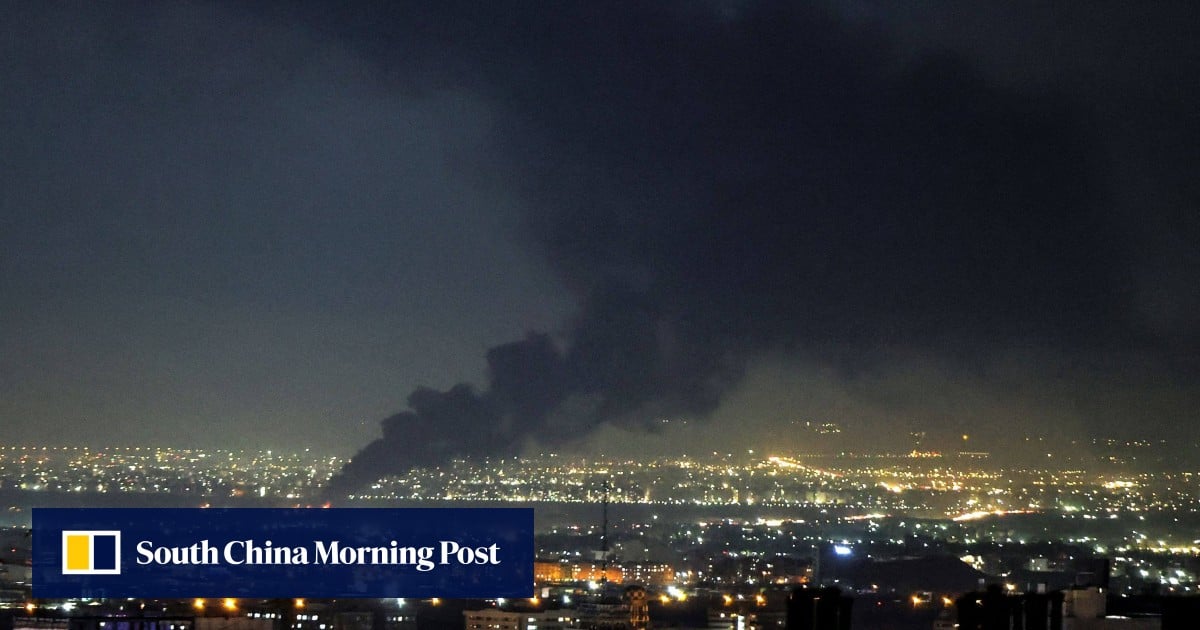
3-MIN READ3-MIN ListenShi JiangtaoandOrange WangPublished: 10:08pm, 27 Apr 2026Two months after US and Israeli strikes began, their war on Iran has settled into a costly stalemate.The fighting has paused under a fragile Pakistan-brokered ceasefire, but the Strait of Hormuz remains blocked, direct talks have collapsed and neither side shows signs of yielding.Last weekend, Washington’s envoys cancelled their planned trip to the Pakistani capital for further talks after Tehran declared it would not join negotiations until the US Navy ended its blockade of Iranian ports.AdvertisementAnalysts argue that both sides are now eyeing the exit, though Tehran and Washington each think that they still have greater power to shape the war’s ultimate outcome.
Middle East expert Niu Xinchun, vice-president of Ningxia University, attributed this impasse to self-confidence on both sides.
“Both the United States and Iran believe they hold the upper hand,” he said at a China and Globalisation Forum event in Beijing on April 26.