Last week, Mayor Zohran Mamdani made two appearances designed to showcase a hands-on leader tackling the city’s housing crisis.
Instead, they revealed a mayor focused on optics — while missing the priorities that matter.
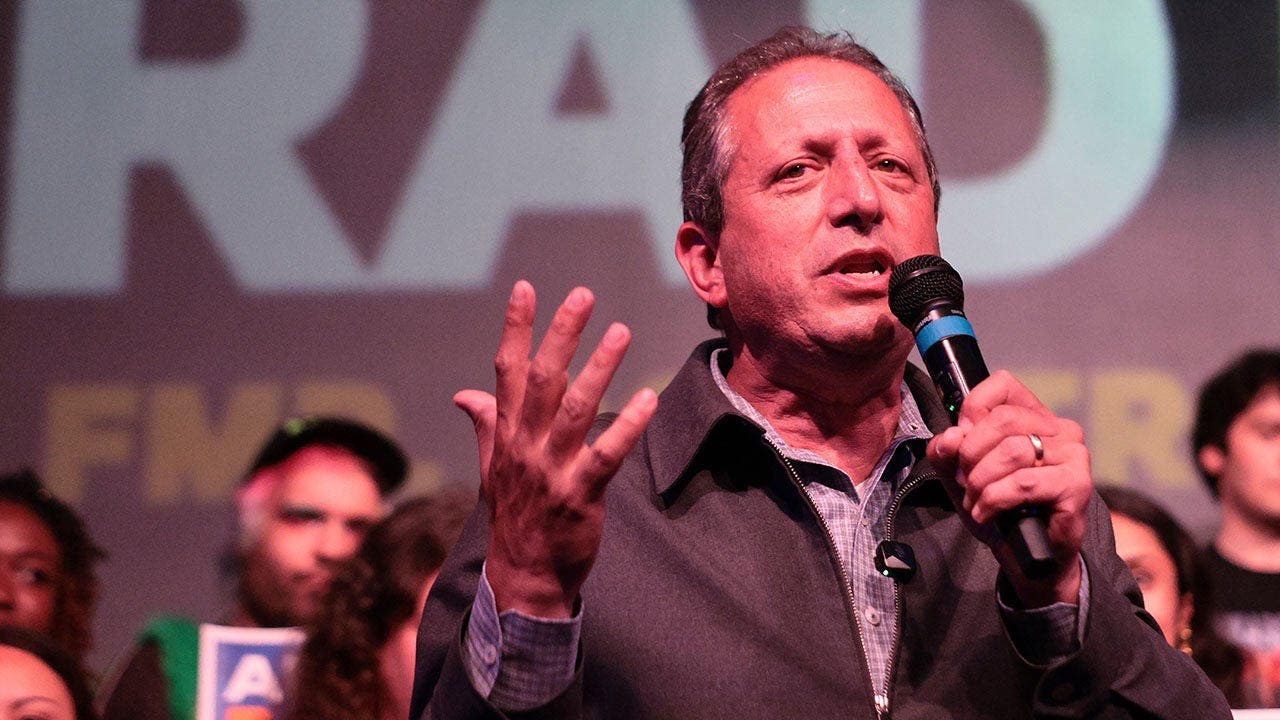
In one social-media video, the mayor shadowed Housing Preservation and Development inspectors at a privately owned apartment building.
Here comes the mayor, on the ground — cameras in tow — to hold landlords accountable.
“There’s a lot of New Yorkers who live with a worry about whether or not the conditions they’re living in are actually up to code,” Mamdani declared.
Behind the mayor, however, viewers saw a clean apartment in a well-kept building, whose landlord was being nitpicked to death in a city suffering the worst housing shortage in its modern history.
Important items, like the lead paint test, came out negative — yet the inspectors issued six violations for trivialities like a flowerpot on the fire escape, a crack in the plaster and a busted window spring balance.
“No issue is too small when it comes to your home,” read HPD’s video caption.
If that’s true, the mayor ought to follow the same principle in managing NYCHA, the city’s public housing authority.
NYCHA’s residents endure the worst housing conditions in New York, hands down.
They’re beset by mold, lead paint, rodents, roaches, no heat, leaks, broken elevators, busted pipes and inoperable appliances — not to mention sky-high crime rates.
It takes NYCHA 434 days on average to complete a repair.
Democratic Socialist Public Advocate Jumaane Williams has said the authority would “far surpass anyone” on his list of the city’s worst private landlords.
If Mamdani cares so much about a jammed window balance, surely he’d be interested in transforming the lives of NYCHA’s residents by moving quickly to fix their immediately hazardous conditions.
On Wednesday, Earth Day, the mayor stood — this time, outside — NYCHA’s Woodside Houses in Queens to announce $2.5 billion in green-energy upgrades like heat pumps, induction stoves, solar panels and EV chargers, plus green jobs for NYCHA residents.
In particular, he touted the “clean, beautiful heat pumps” that would replace “fossil fuel-guzzling boilers.”
But as Breakthrough Institute’s Jennifer Hernandez has written, heat pumps are far less effective at low temperatures — and therefore must work harder to heat a room when temperatures fall.
And unlike gas boilers, which can last decades and serve an entire building, heat pumps have an expected lifespan of 10 to 15 years and must be installed in each apartment.
It sounds like a perpetual green-energy jobs program — unless and until the public money runs out.
Mamdani insisted, “We can show the world that meeting climate goals, addressing affordability and connecting New Yorkers to jobs are all part of the same larger fight for dignity.”
It’s an odd claim, given that residents in the building behind him — and hundreds of thousands like them — are living in conditions that fall well short of essential human dignity.
“Our needs are fundamental, basic needs,” Gloria Carter, a Woodside Houses resident, told The Post.
“I’m OK with [the] heat and air conditioning. What I’m not OK with is mold, cracks in the walls, hinges that don’t open. Those are the kinds of things I need the mayor to invest in.”
Taken together, Mamdani’s HPD inspection and Earth Day announcement underscore a performative mayoralty.
Since taking office, Mamdani has shown up to shovel out cars in the snow, pound asphalt into potholes and sing “Wheels on the Bus” alongside former President Barack Obama in a preschool.
He wants to signal solidarity with regular New Yorkers and the problems of ordinary life.
But by rolling out unnecessary green-energy amenities for NYCHA residents while dinging well-run private buildings with penny-ante violations, he’s getting those priorities backward.
In particular, rent-stabilized buildings are facing a growing maintenance crisis, as owners who can’t recoup repair costs through rent increases are forced to defer needed work.
Buildings that are 90% to 100% rent-stabilized suffer about four times the rate of immediately hazardous violations as those with 35% or fewer stabilized units.
Mamdani’s publicized inspection of a well-maintained unit reveals how his anti-landlord zeal eclipses any recognition of these economic undercurrents.
If Albany allowed owners to recoup more repair costs and to reset rents upon vacancy, conditions in these buildings would improve.
NYCHA investment should follow the same logic: fix the pipes, eliminate the mold, exterminate the rats and stop the crime.
John Ketcham is director of cities and a legal policy fellow at the Manhattan Institute.