[nyp_video player=”SPdDOYds” platform=”jw-player” playlist=”W5xXwQyA” playlisttype=”dynamic” placement=”true” jwpropertyid=”XDErnc08″ /
Ellie Matthews, a 20-something HR manager, had been struggling with bloating and digestive issues when she spoke to me for my book “Bad Influence: How the Internet Hijacked our Health.”
Her primary care physician had just 15 minutes to see her.
He’d ordered a battery of scans, stool samples and blood work that all came back normal. At the end of the appointment, he asked her if she was vegan — she was, but didn’t see the relevance — and he told her there was nothing wrong.
So far, this is a familiar story — doctors are pressed for time and failing to alleviate patient concerns, leaving them feeling unheard.
But what happened next reflects a growing trend. Like a growing number of Americans, she didn’t seek a second opinion from another doctor. Instead, she turned to TikTok, spending far more per day on the platform than the 15 minutes of physician time.
Within minutes, her algorithm delivered a “diagnosis.” Her symptoms, she was told, were a result of a food intolerance that mainstream medicine ignores. Within a week, Ellie had bought a bioresonance test, a product claiming it could diagnose intolerances by analyzing hair strands.
When the traditional health care system failed to give them answers, others like Ellie turn to parallel authorities that have found a home online.
For decades, doctors held a near-monopoly on medical knowledge. That era is over. In its place is a fragmented marketplace of online authorities and even AI tools, all competing to advise and sell.
Anywhere there is a gap in getting answers or even just a bit of reassurance, commercial players are jumping in to monetize our discomfort.
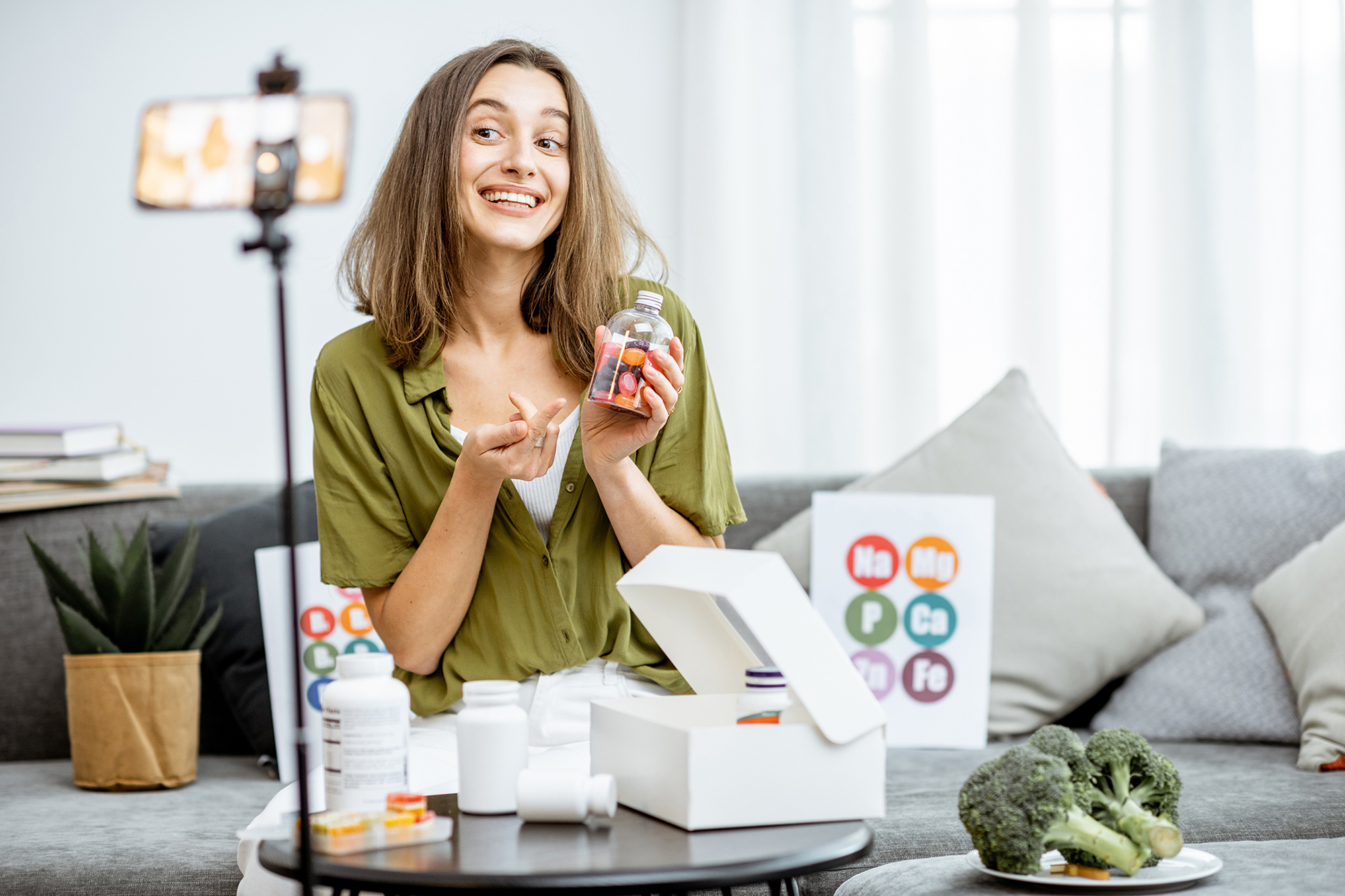
People I spoke to spent hundreds, sometimes thousands, on consultations with “epigenetic coaches” promising to decode their genes, bought personalized gut-health kits, testosterone subscriptions, even CT scans marketed as shortcuts to an ADHD diagnosis. Many of these services were pushed by influencers who never disclosed their financial ties.
This wellness-industrial complex — this mashup of health tech, startups, and online clinics — isn’t like the traveling medicine show of the 19th century with dubious cures in dusty brown bottles. Instead, today’s “snake oil” comes in sleek packaging or via a polished app interface with a subscription fee.
It speaks the language of Silicon Valley — “precision health,” “personalized nutrition,” and “cutting-edge diagnostics.”
Start your day with all you need to know Morning Report delivers the latest news, videos, photos and more.
They’ve turned our biology into a series of metrics. We’re being nudged by technology to monitor everything — heart rate, glucose, gut microbes, genetic markers — whether or not tracking any of it actually helps us live longer or healthier lives.
Companies lean on scientific-sounding language providing references to journals hidden behind paywalls to project credibility, even when the evidence lags far behind the claims. It’s a high-tech gloss on a very old idea: selling certainty where little exists. A kind of “scienceploitation.”
Our symptoms and even the fuzzy line between being “unwell” and just having a bad day have been turned into memes, merch, and monthly recurring revenue.
For example, ADHD influencers sell T-shirts stamped with slogans like “Dopamine Hunter.” (We’re obsessed with simple explanations for our conditions — an apparent deficit of hormones or neurotransmitters is the root cause of so many ills).
Others reshape how they describe their symptoms to mirror whatever is trending. And across the internet, a growing number of self-styled therapists push “diagnostic” quizzes that funnel users toward supplements — conveniently the ones they’re selling.
These changes are being amplified by platforms like TikTok and Instagram, where health advice sits alongside entertainment, all curated by opaque algorithms.
What hits our screens is content curated by industries with unprecedented access to our personal data and wallets. They have a growing hand in whether we see ourselves as well or unwell, and may be reshaping expectations of what health care should look like and what it should deliver.
This amounts to a vast, uncontrolled public-health experiment.
It’s tempting to dismiss it as the domain of the “worried well.” But that misses the point. The wellness-industrial complex is thriving because it offers something the traditional system often doesn’t, such as time and the sense of being heard.
The danger for the medical establishment is a loss of moral authority — the right to define what “care” should be. If doctors and hospitals can’t remain grounded in evidence while also responding to how patients experience their own bodies, they’ll keep losing ground to companies more interested in mining data than delivering care.
What’s needed is a model of care that values a patient’s time and experience as much as their test results. Until the traditional system can offer the connection and validation people are currently buying from influencers and tech startups, patients will keep swapping the family doctor for a digital dashboard — and we’re only beginning to understand the cost.