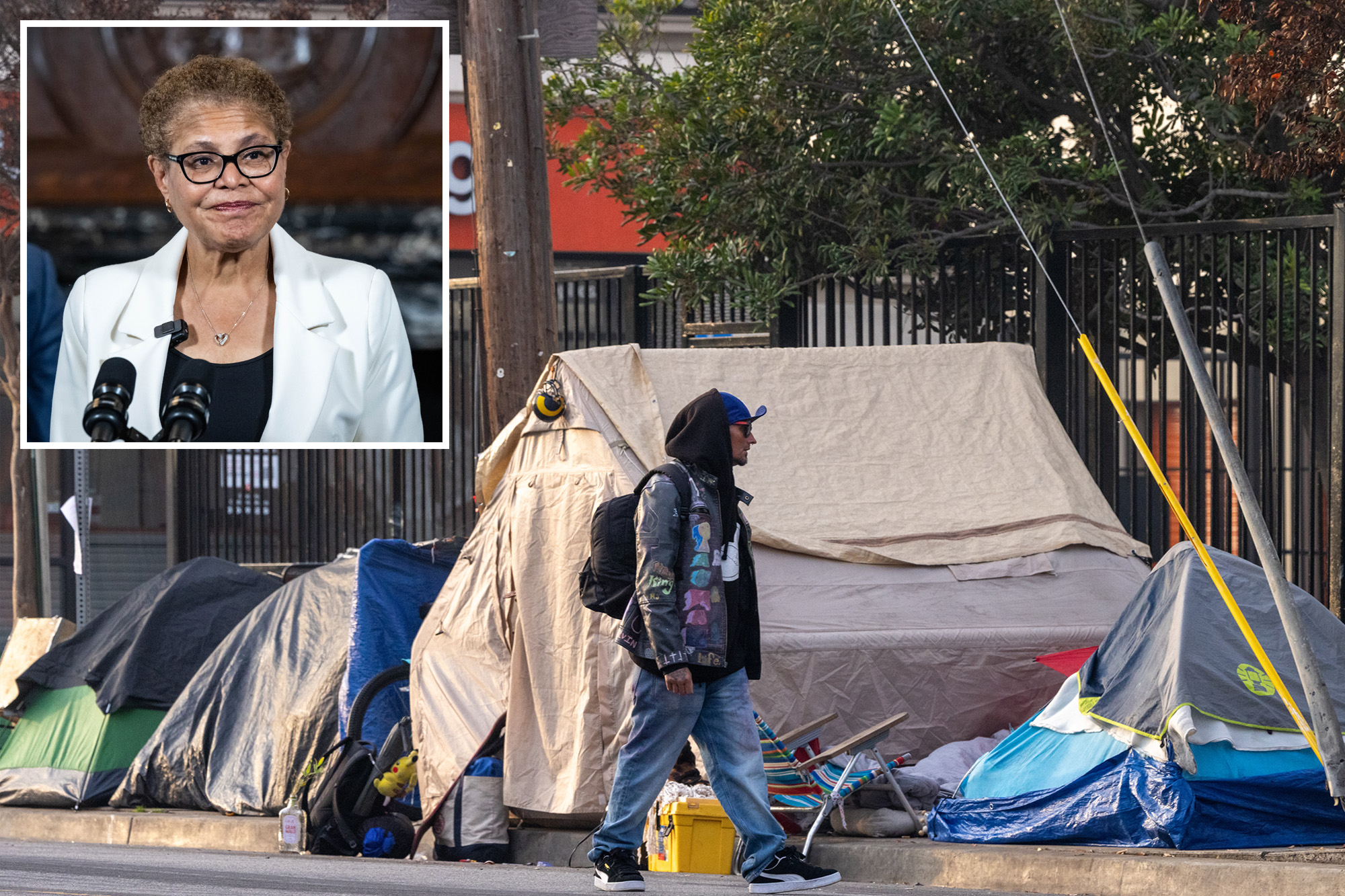
The last stretch of a long-troubled homeless encampment along Venice’s Rose Avenue was cleared Friday, as Los Angeles officials once again moved to reset a corridor that has repeatedly swung between cleanup efforts and the return of tents.
City crews and outreach teams returned to the area near Hampton Drive and Rose Avenue, where makeshift shelters had reappeared after earlier Inside Safe operations relocated more than 100 people indoors.
For nearby residents, the latest sweep was less a breakthrough than another turn in a familiar cycle on a block they say has been repeatedly promised change.
On Councilwoman Traci Park’s social media post, residents expressed frustration that the situation keeps repeating itself:
“Show me these sites in two weeks please.”“And they’re back already.”“Please ask the mayor to come back in 1 month to see how things are going.”
The operation followed an 11-4 vote by the City Council to apply a no-camping designation to 220 Rose Avenue, closing what officials described as the final remaining unregulated section of the corridor.
But the decision also reignited debate at City Hall.
Councilwoman and mayoral candidate Nithya Raman opposed the measure, arguing it would not solve the underlying issue.
She told the Westside Current the ordinance “duplicates laws we already have to regulate camping, and at best succeeds in moving homelessness around a neighborhood.”
The Venice corridor has already become a proving ground for Mayor Karen Bass’s Inside Safe initiative.
A previous operation near Hampton Drive moved 107 people indoors at a cost of more than $2.8 million, but fewer than half ultimately secured housing.
The same area later saw renewed encampment activity, followed by a daylight confrontation involving at least four people that heightened concerns among residents.
Bass had previously visited the site during an earlier cleanup push roughly three years ago, framing it as a turning point and stressing she wanted to ensure the area “isn’t re-populated.”
Yet Friday’s clearance did little to quiet skepticism on the ground.
“It’s nice to see all of this action before the up coming election,” another person wrote on social media.
For nearly four decades, the Rose Avenue corridor has remained a volatile epicenter of Venice’s homelessness crisis, characterized by a persistent “see-saw” cycle of expansive encampments and high-profile city sweeps that dates back to the late 1980s.