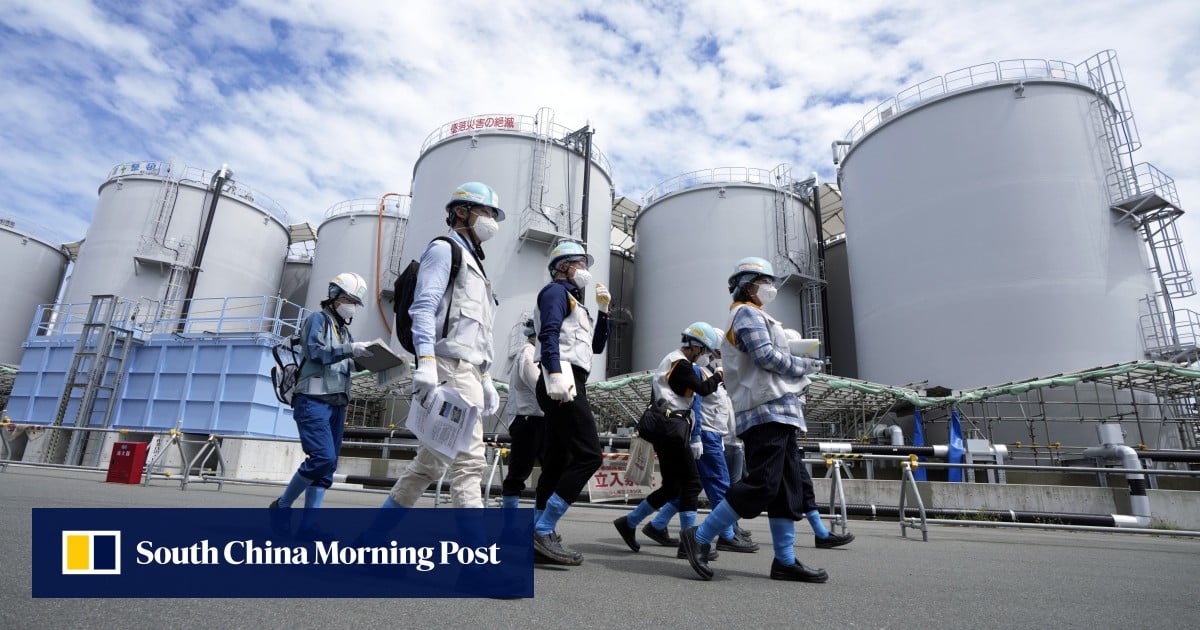
Visitors flock to barely inhabited towns, attracted for the most part by the very catastrophe that drove their residents away
3-MIN READ3-MINBloombergPublished: 10:21am, 24 Apr 2026Fifteen years after one of the world’s worst nuclear disasters, this part of the Fukushima coast feels stuck in the aftermath. Empty lots where homes once stood. Signs warning of restricted access. Convoys of construction trucks carrying radioactive dirt and materials.
In Fukushima, officials prefer to call it “hope tourism”, as the lifting of evacuation orders in surrounding municipalities has opened the way for package tours.
“There’s a very strong meaning in seeing a place where something tragic happened with your own eyes, and then forming your own thoughts,” said Kotaro Toriumi, an aviation and travel analyst and part-time lecturer at Teikyo University. “It’s less about enjoyment and more about learning.”
For Tepco, the operator of the Fukushima Daiichi plant, reviving the local economy is inseparable from the long process of clean-up – and from repairing its own reputation.