Tesla CEO Elon Musk is asking investors to take a leap of faith on his costly bets in self-driving technology and humanoid robots that have yet to generate meaningful revenue.
It raises a key question for investors: whether Tesla’s rising spending can be justified without the kind of established, high-margin cash engines that allow Big Tech peers to fund bigger investments.
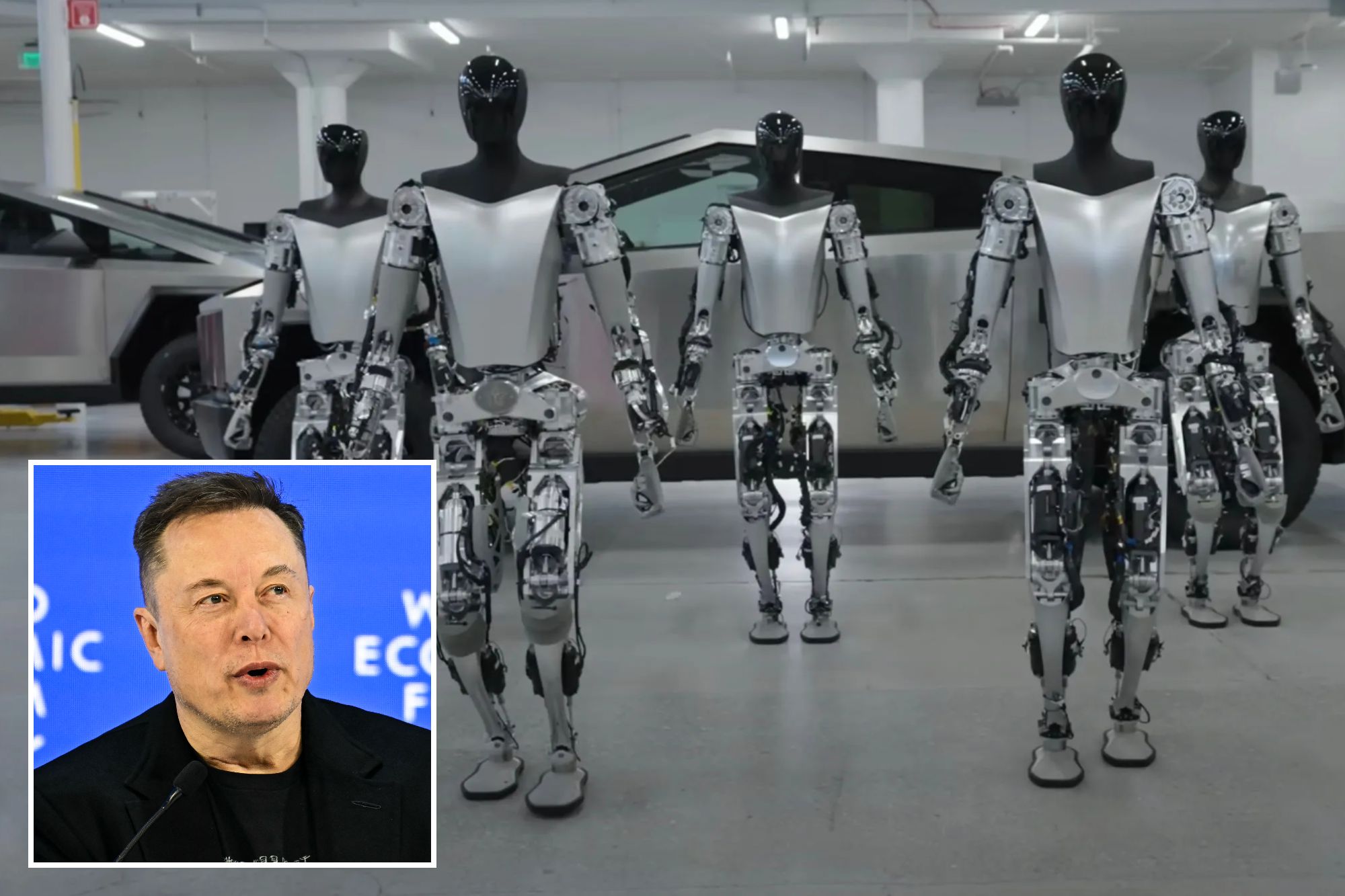
“If you think that Elon Musk’s view that Optimus will be ultimately their most worthy, most value-creating platform, and you think you’re skeptical, then the capex doesn’t make sense, and it’s probably not a good investment,” said Seth Goldstein, a Morningstar analyst, on Tesla’s humanoid robot, a still-in-development system Musk has said could be mass-produced.
Tesla CEO Elon Musk is asking investors to take a leap of faith on his costly bets in self-driving technology and humanoid robots that have yet to generate meaningful revenue. Tesla “But if you think that Elon Musk has proven himself that he can make seemingly impossible things a reality, then you’re willing to take the leap of faith here.”
The automaker’s shares were down nearly 3% on Thursday.
Tesla on Wednesday lifted its 2026 capital expenditure plan to more than $25 billion, nearly triple last year’s $8.53 billion, and higher than the $20 billion it forecast early this year.
As Musk spends big to double down on artificial intelligence, robotaxis and robotics, the company expects negative free cash flow for the rest of the year after posting a surprise $1.44 billion surplus in the first quarter.
Musk has argued Tesla is not alone, pointing to heavy spending across the technology sector.
Alphabet, Microsoft and Amazon are all committing tens to hundreds of billions of dollars toward AI infrastructure.
Musk raised Tesla’s 2026 capital expenditure plan to more than $25 billion, nearly triple last year’s $8.53 billion. AFP via Getty Images But these companies possess established cloud and software businesses generating significant and recurring cash flow.
Amazon is expected to post negative free cash flow in 2026, reflecting the scale of its investment cycle. Yet analysts say that differs from Tesla’s position, as Amazon’s spending is underpinned by high-margin businesses such as Amazon Web Services and advertising that have a track record of eventually translating investment into returns.
Tesla, in contrast, is betting on businesses still in early development. Its robotaxi service is expanding gradually across a handful of US cities, while its Cybercab, a fully autonomous vehicle without manual controls like a steering wheel or brake pedals, is only expected to begin volume production later this year.