China’s diplomacy, backed by leverage and guarantees of assistance, could provide a template for contemporary conflicts where a single side cannot carry the day
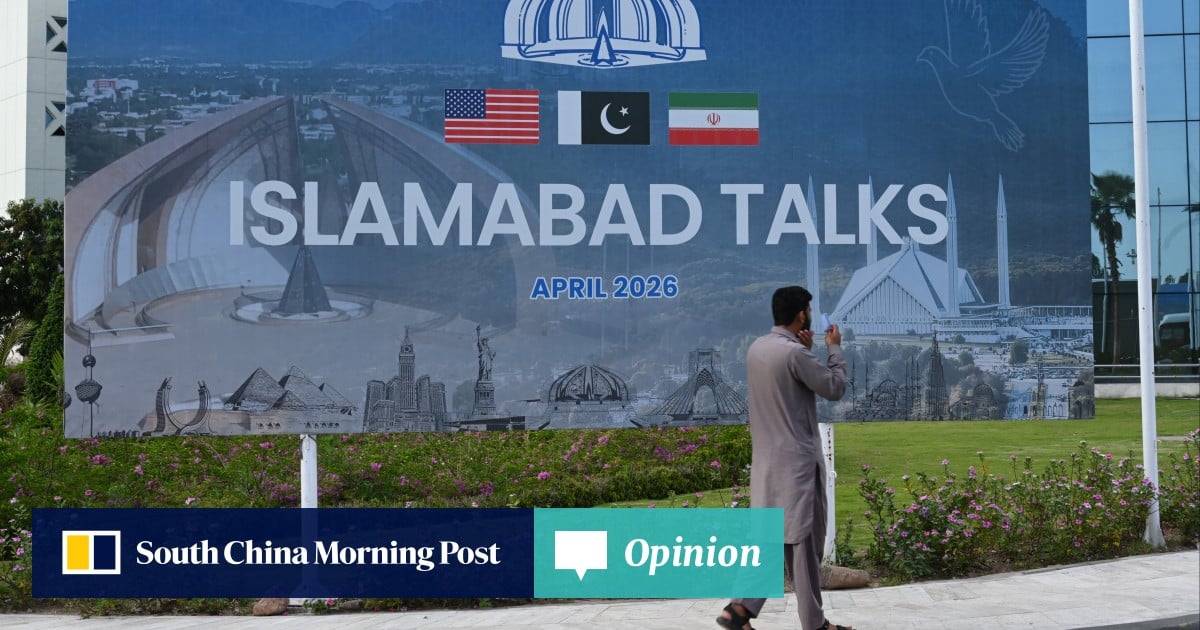
3-MIN READ3-MIN ListenWang HuiyaoWang Huiyao is the founder of the Centre for China and Globalisation, a Beijing-based non-governmental think tank. Published: 8:30pm, 22 Apr 2026The Iran crisis loomed large in discussions when Sheikh Khaled bin Mohamed bin Zayed Al Nahyan, the crown prince of Abu Dhabi, and Spanish Prime Minister Pedro Sanchez met President Xi Jinping on separate visits to Beijing last week. Both meetings focused on the need for a comprehensive and sustainable security architecture for the Middle East.This week, on a phone call with Saudi Crown Prince Mohammed bin Salman, Xi reiterated China’s support for an immediate and comprehensive ceasefire and for any disputes to be resolved through diplomacy. China, a long-time peace advocate in global politics, has advanced a four-point proposal for maintaining peace.The first round of high-level talks between the United States and Iran in Islamabad ended without a breakthrough. It is clear neither side can impose its preferred outcome through sheer force.AdvertisementThe closure of the Strait of Hormuz affects everyone, with delays in its reopening increasing the pain even for those living well outside the conflict zone. This includes China, which sources 49.4 per cent of its crude and refined oil from the Middle East.Reopening and stabilising this corridor is therefore not only in China’s interest. It would help major Asian importers, reduce pressure on Europe’s energy markets and ease inflationary strain far beyond the region. On this point, de-escalation is not a favour to one side; it is a genuinely shared interest.