Globally connected and intellectually vibrant, the city can offer cutting-edge research and lead diplomatic debates of global importance
3-MIN READ3-MIN ListenJinghan (Michael) ZengJinghan (Michael) Zeng is a professor in the Department of Public and International Affairs at City University of Hong Kong. Published: 9:30am, 22 Apr 2026A year ago, after more than a decade in the United Kingdom and several years in the United States – including time working for the United Nations in New York City – I returned to Asia and arrived in Hong Kong expecting it to also be a leading hub for international relations.
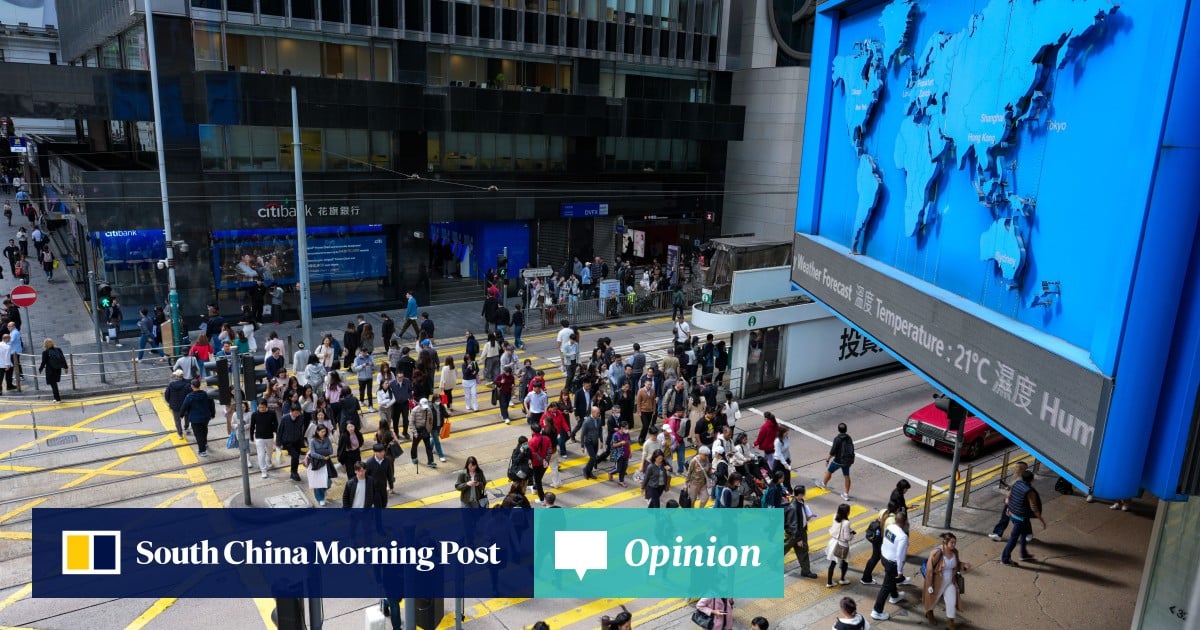
Hong Kong is often described as a “superconnector” between China and the world. Yet in one crucial domain – the study and practice of international relations – the city remains a paradox: globally connected, intellectually vibrant but structurally peripheral.
This is not for lack of talent or institutions. Hong Kong’s universities host internationally trained scholars, regional security and Asia-focused area studies. Their research circulates in leading journals and contributes to global debates.
And yet, Hong Kong has not emerged as a major international relations hub comparable to New York City or even Singapore. The reasons lie not in capacity, but in structure shaped by history and geography.
One factor is colonialism. Under British rule, Hong Kong gradually developed a world-class higher education system embedded in global academia. This foundation allowed scholars to seamlessly engage with the international relations discipline. But colonial governance also meant Hong Kong never developed its own foreign policy apparatus.
Decisions on diplomacy, strategy and international engagement were made elsewhere. International relations evolved as an academic field, overlapping with China studies or political science, rather than as a policy-oriented ecosystem linked to real-time decision-making. That structural absence persists.