The school board approved the measure Tuesday in a 6-0 vote. In a sweeping move that could ripple across the United States, the Los Angeles Unified School District has vowed to curb student screen time in classrooms, shifting away from laptops and tablets and back toward traditional pen-and-paper leaning.
The school board approved the measure Tuesday in a 6-0 vote, with one member abstaining, marking a dramatic pivot for the nation’s second-largest district after years of heavy investment in education technology.
Dozens of parents, displaying “Schools Beyond Screens” stickers and “Teachers Over Tech” signs, filled the room and applauded the final vote.
Under the new plan, officials must craft a detailed screen time rules grade level and subject before the policy rolls out in the 2026-27 school year.
The resolution bans device use for first graders and younger students, limits screen exposure during lunch and recess for older kids, and bars students from freely browsing YouTube on school devices.
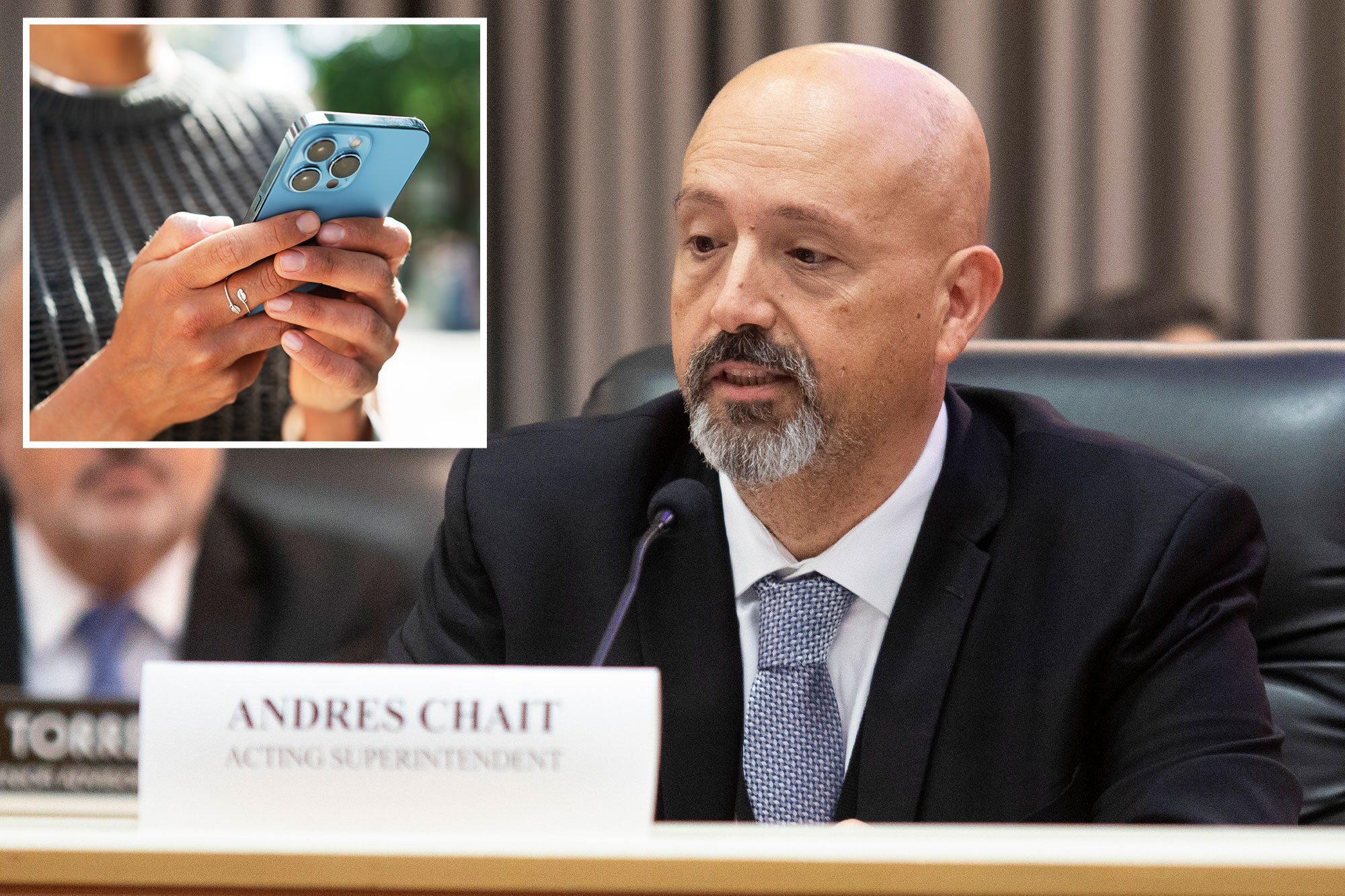
Acting Superintendent Andres Chait spoke positively about the resolution at Tuesday’s board meeting.
It also gives parents clearer authority to opt their children out of classroom technology and orders a full audit of the district’s ed-tech contracts.
“We have responsibility as one of the largest districts to draw a line in the sand when it comes to this recalibration and start the conversation,” board member Nick Melvoin, who authored the proposal, told NBC before the vote.
The decision follows mounting pressure from families, including a grassroots group called Schools Beyond Screens, which says it now counts 2,000 local members.
Parents have spent months raising alarms at meetings and online, arguing that constant device use has hurt learning.
Parents and guardians reported to NBC that their children’s grades suffered after they became distracted during class by video games, YouTube, social media and online forums.
Others criticized policies that set aside entire school days for online quizzes, disrupting subjects like gym, music and science.
“This is an historic reform that we hope will trickle down to the rest of the country very, very quickly,” Anya Meksin, a parent leader with the group told NBC. “We see this as a big cultural shift into how schools approach technology.”
District leaders now face the challenge of tracking student screen use and reporting it regularly to families, while also surveying parents, students and staff as part of annual policy reviews.
The move represents a sharp reversal from recent years, when Superintendent Alberto Carvalho championed universal access to devices as a matter of equity.
He argued that laptops and tablets help level the playing field for students regardless of income or background.
Carvalho was placed on leave in February after the FBI searched his home and office in connection with a failed $3 million AI chatbot project.
Through his attorney, he has denied wrongdoing and has not been charged.
Previously, he dismissed concerns about excessive screen time as “newly informed privilege,” insisting schools were not driving digital addiction and pointing instead to parental responsibility.
Even this week, the district defended its technology push, saying devices “meaningfully support learning” and help eliminate disparities tied to income and access.
Still, the board’s vote signals a broader shift.
Similar, though smaller-scale, policies have already been adopted in districts like Beverly Hills, Bend, Oregon and Burke County, North Carolina.