A draft law in the UK to create a "smoke-free generation" by banning smoking for anybody born after 2008 has cleared both houses of parliament. Only the king's signature remains for it to become law.
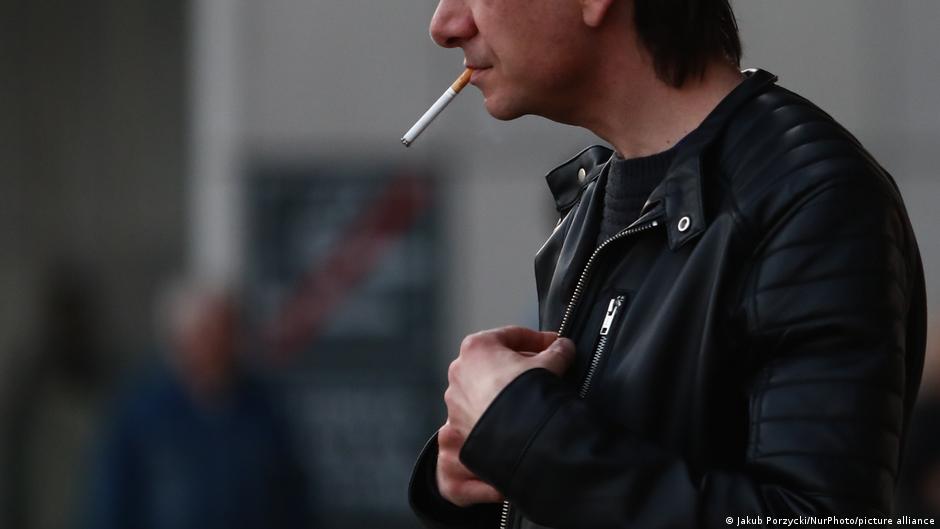
https://p.dw.com/p/5CbBZTechnically, the law will raise the legal smoking age by one year every year starting on January 1, 2027, meaning those born after 2008 will never reach the legal ageImage: Jakub Porzycki/NurPhoto/picture allianceAdvertisementChildren who do not reach the age of 18 before January 1, 2027 will never be permitted to buy cigarettes or tobacco products in the UK, once a new law that has now completely cleared parliament gets royal assent from King Charles III.
The Tobacco and Vapes Bill cleared its final parliamentary hurdle on Monday, when the House of Lords signed off on the last minor amendments to a bill in the pipeline since 2024, early in the current Labour government's tenure.
Only one other country, the Maldives, currently has a similar "generational smoking ban" in place.
The very first country to do so, New Zealand, swiftly overturned the law following a change in government in 2023.
The rules will apply in all four of the UK's constituent countries: England, Scotland, Wales and Northern Ireland. They were developed in conjunction with the devolved parliaments in Belfast, Cardiff and Edinburgh.
A selection of the core changes and provisions follow:
UK bans sale of disposable vapesTo view this video please enable JavaScript, and consider upgrading to a web browser that supports HTML5 video
Monday's session in the House of Lords provided the final green light to a series of minor technical changes, designed to remove errors and flaws identified within the bill, in order to finalize a bill that had already cleared all three readings in both the upper and lower houses of parliament.
As a result, even the opposition lawmakers who had opposed the idea did not resist the passage of the six amendments.
Baroness Gillian Merron, of the ruling Labour Party and part of the Department of Health and Social Care, spoke in favor of the law changes at "the end of the Bill's journey through our Parliament."
"It is a landmark Bill, my lords, it will create a smoke-free generation. It is, in fact, the biggest public health intervention in a generation and I can assure all noble Lords that it will save lives. I commend it to the House," Merron said.
Michael Morris, or Baron Naseby, a Conservative member of the Lords, reiterated some of his objections to the plans, including to planned standard fines of 200 pounds (roughly €230 or $270) for retailers found to have breached age restrictions or sold to proxy buyers.
"It does upset a great many people in that industry, that the government has not listened to the strong representations from the retailers, and particularly those who have knowledge of this partiuclar industry," Baron Naseby said.
He said he believed a time would come when those "who believe that this idea in its whole is totally out of date in relation to what is happening in the world" would come to be vindicated, saying: "What we really need is a proper understanding of how we educate people not to take up smoking."
Royal assent, King Charles III's signature and the last stage in the process making it law, is a formality in almost any circumstance in the UK; the Bill has already featured in one of the so-called "King's speeches" at the opening of parliament setting out some of the government's legislative priorities.