Congressional resistance, war costs and industrial limits could constrain ambitions, even as Beijing expands its naval capacity
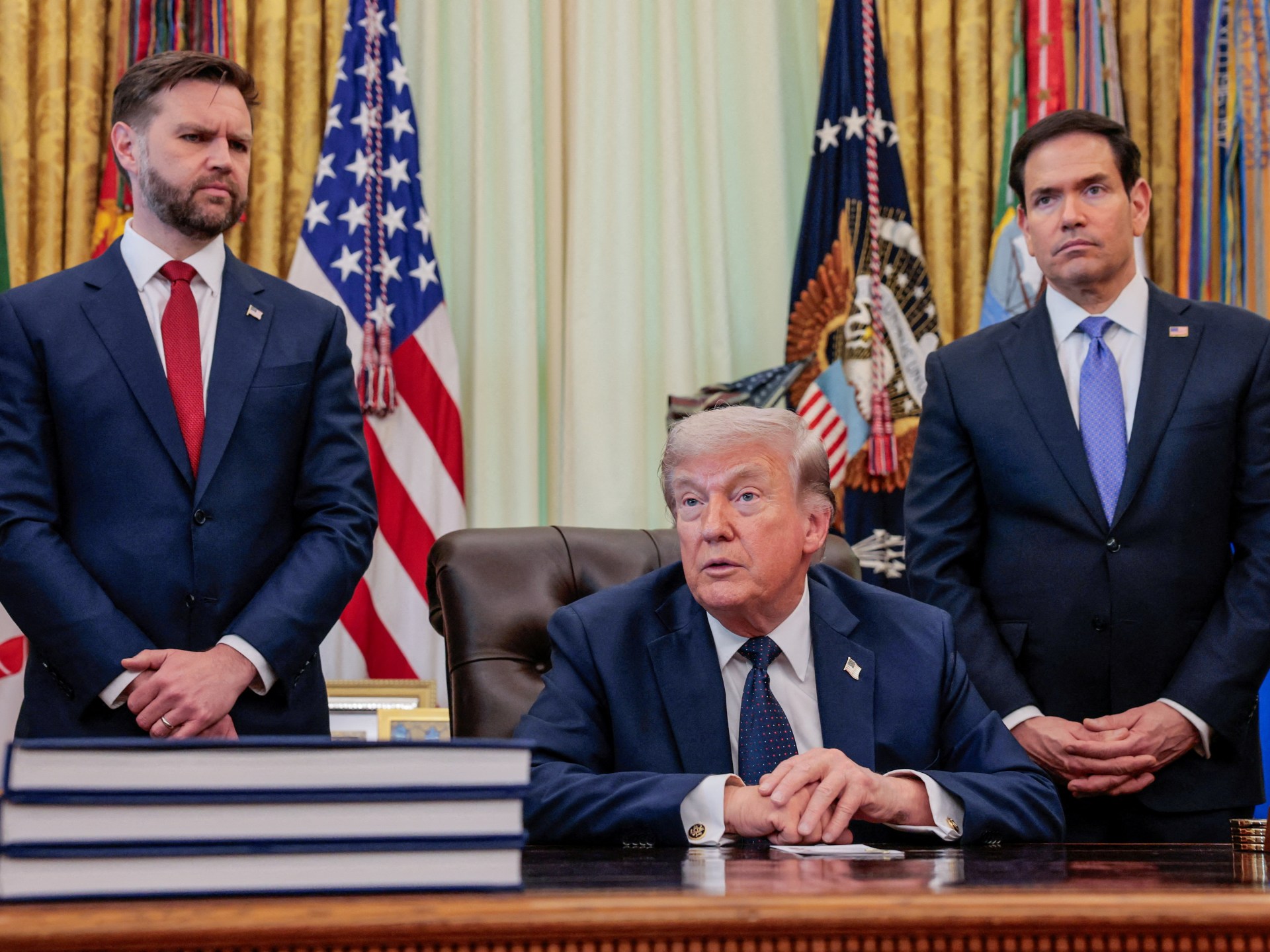
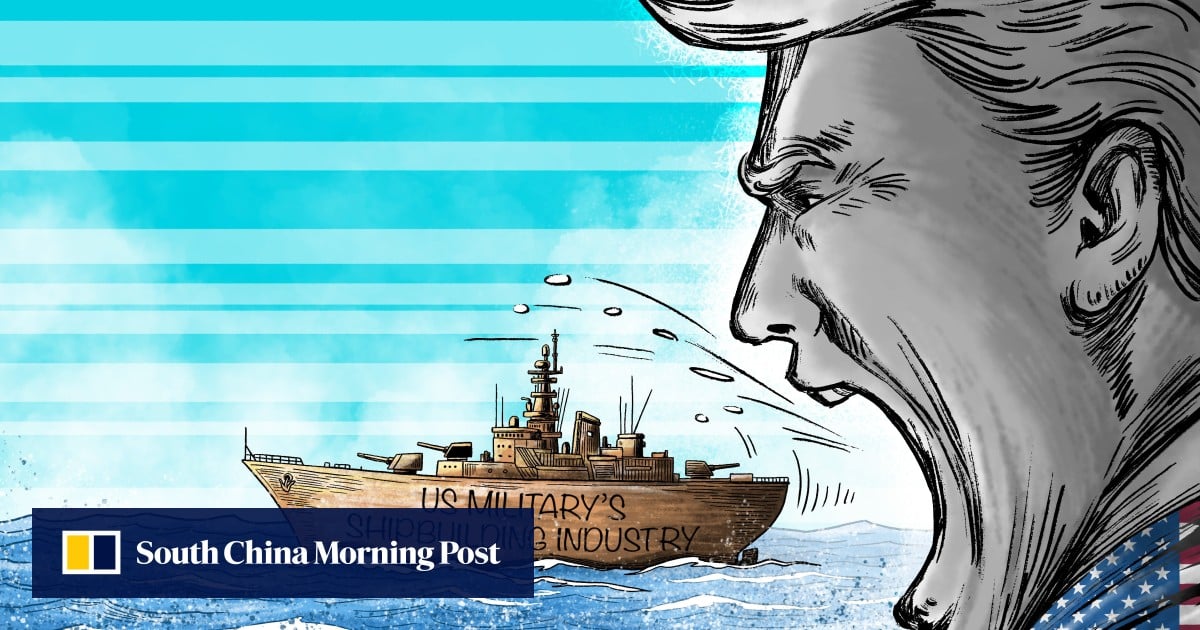
6-MIN READ6-MINYuanyue Dangin WashingtonPublished: 11:00pm, 21 Apr 2026US President Donald Trump’s long-standing obsession with sea power was underscored by his pledge to rebuild the US Navy into what he called a “Golden Fleet” as he returned to the White House.His financial year 2027 budget released on April 3 puts a price tag on the ambition: US$65.8 billion for 34 warships, including initial funding for a next-generation battleship he wants to name after himself, part of the largest US$1.5 trillion defence-spending request in history.But analysts say the record budget blueprint must first survive a sceptical Congress focused on voter affordability in a midterm election year – and, even if it does, the money alone cannot rescue an American shipbuilding industry that has fallen far behind China’s.
The annual presidential budget is more a policy statement outlining priorities than a legally binding document, with the final total up to Congress, which controls the purse strings.