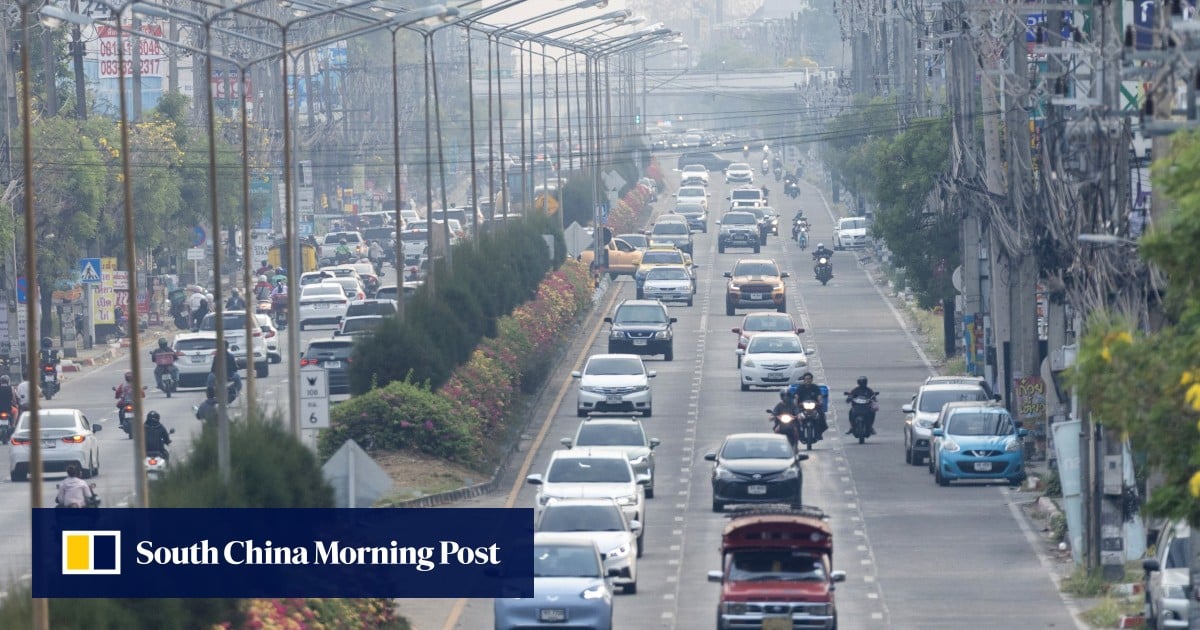
Remote work for civil servants sounds like an easy solution in an energy crisis. Analysts aren’t so sure
3-MIN READ3-MIN ListenKolette LimPublished: 12:35pm, 21 Apr 2026Governments across Southeast Asia have been banking on work-from-home arrangements for civil servants to ease the sting of soaring energy costs triggered by the Iran war, but analysts say the maths is messier than it may first appear.Indonesia estimates its Friday work-from-home policy, introduced on April 1, will save around 6.2 trillion rupiah (US$361.5 million) in state fuel subsidies and nearly 10 times that amount in total consumption.The Philippines has similarly introduced a four-day work week for civil servants, while Thailand ordered all non-essential government employees home last month after crude oil prices crossed US$100 a barrel and Malaysia became the latest to follow suit last Wednesday.AdvertisementBut will the gains at the pump simply shift to pain at the power socket?
While fewer commuters on the roads would doubtless cut petrol consumption in the short term, analysts told This Week in Asia that any savings could be eaten up by higher household power use as air conditioners were left running all day in homes across the region.