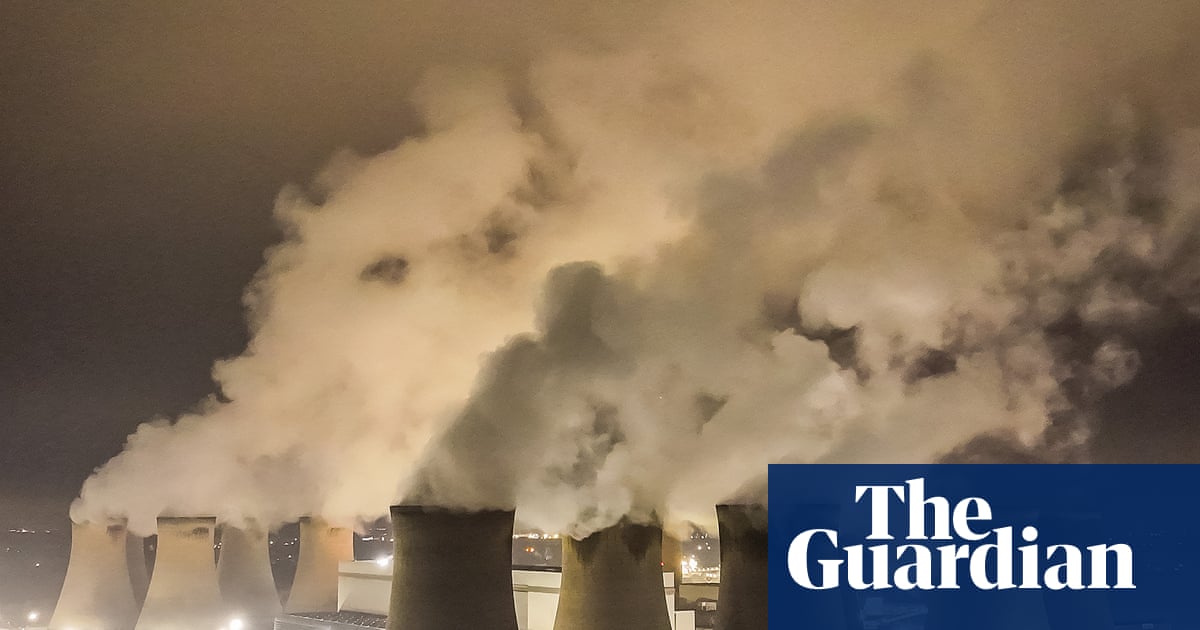
Rachel Reeves said the scheme would cut energy bills for more than 10,000 manufacturers. Photograph: Jack Taylor/PAView image in fullscreenRachel Reeves said the scheme would cut energy bills for more than 10,000 manufacturers. Photograph: Jack Taylor/PAReeves gives more energy bill support to businesses as Iran war pushes up costsScheme cutting bills by up to 25% expanded to cover 10,000 firms, but they will not be paid until next year
Rachel Reeves has announced an expansion of support for the most energy-intensive UK businesses, as they face soaring bills as a result of the Middle East conflict.
The chancellor said the long-promised British Industrial Competitiveness Scheme (BICS) would be expanded to cover 10,000 companies, up from the 7,000 originally announced.
The scheme, which the government says will cut companies’ bills by up to 25%, will not come into operation until next year, although in a significant concession Reeves said support would then be backdated to this month.
Read moreThe announcement was welcomed by business groups, but some criticised the fact the money would not arrive until next April, urging Reeves to bring support forward as they face a looming crisis as a result of the ongoing closure of the strait of Hormuz.
Speaking in Washington, where she is attending the spring meeting of the International Monetary Fund (IMF) this week, the chancellor said: “This government has the right plan for the economy: backing British industry, cutting electricity costs and building a stronger, more resilient future.
“Today’s announcement will cut energy bills for over 10,000 manufacturers, helping businesses to compete, win and create good jobs across the country, and to deliver our modern industrial strategy.”
BICS will exempt eligible businesses from three electricity levies: the renewables obligation, feed-in tariffs and the capacity market. The Treasury said details of how it will fund the £600m-a-year scheme – up from a previous total cost of £420m – will be set out in Reeves’s autumn budget.
Stephen Phipson, the chief executive of the manufacturers’ body Make UK, said: “While this announcement acknowledges the problem of high UK industrial energy costs, it doesn’t provide the immediate solution to the critical cost pressures companies are facing right now.
“Manufacturers are staring down the barrel of huge increases in their energy bills this month as they renegotiate their energy contracts and, when combined with other cost increases, many simply can’t wait until 2027 for relief.”
Rain Newton-Smith, the chief executive of the CBI, said: “While expanding BICS is significant and welcome, we see it as an important step in addressing the UK’s high energy costs, not ‘job done’. This is a targeted measure and bringing down energy costs for all UK businesses depends on lasting reform.”
Reeves has been under pressure to give more details about how the government plans to support consumers and businesses in the face of surging energy costs.
She has repeatedly made clear that any help for households is likely to be targeted, in contrast to the across-the-board approach taken by Liz Truss’s government in the wake of Russia’s invasion of Ukraine in 2022.
That approach has been backed by the IMF this week, which has warned governments against splurging on energy subsidies, which it warned are “costly, poorly targeted, difficult to reverse, and encourage higher consumption when supply is constrained – pushing global prices even higher.”