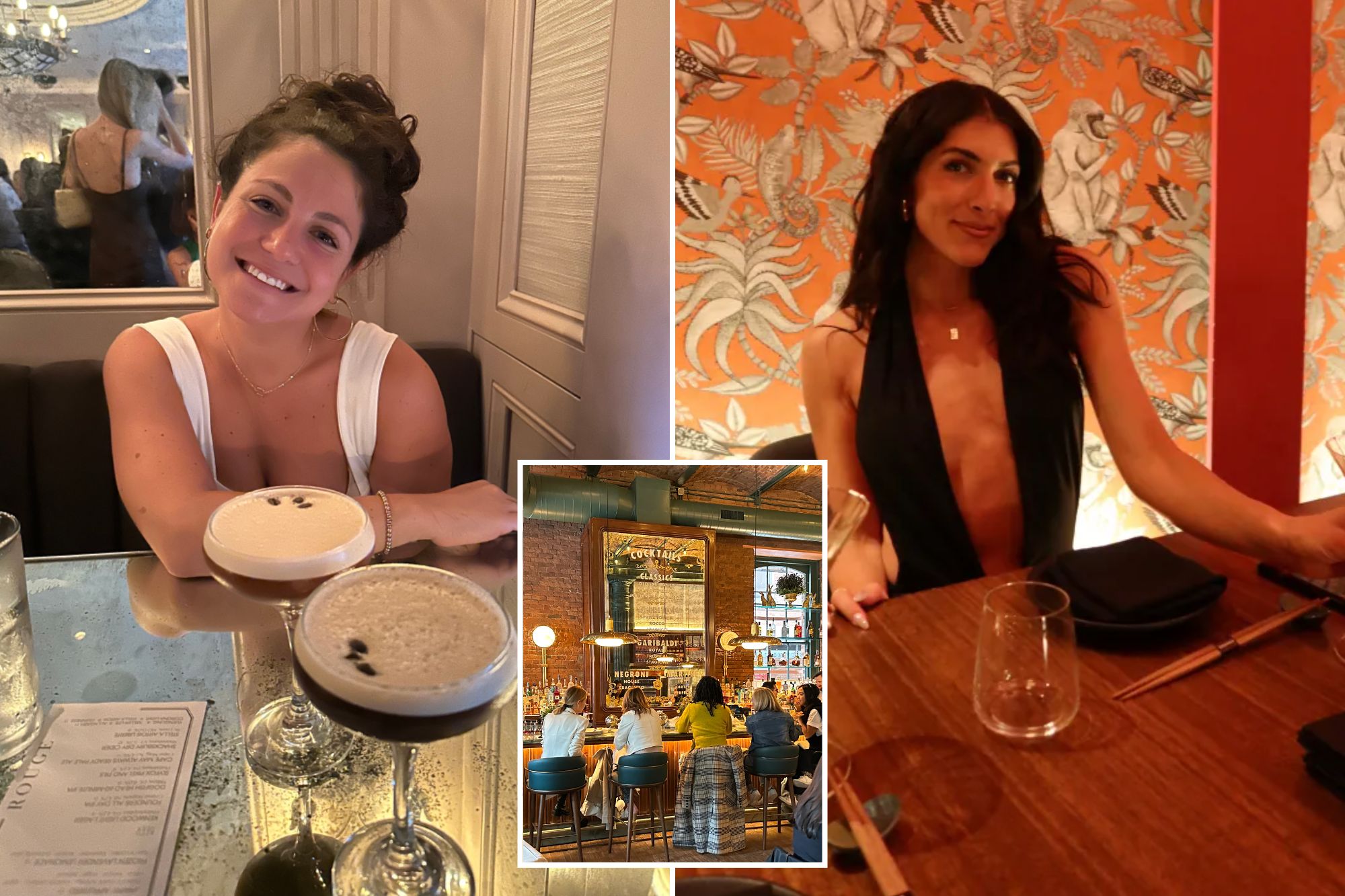
Securing a table at a top NYC restaurant has long required some planning and a great deal of patience.
Lately, however, going out to dinner in the Big Apple has become a full-on competitive sport — call it the Hunger Games — complete with a list of unwritten rules and strategies for winning.
Eager diners in the five boroughs and beyond have become accustomed to setting alarms for midnight reservation drops, they spend unhealthy amounts of time on Resy and OpenTable, hitting the refresh button, battling not just a bevy of bots unleashed online by shady third-party table brokers, but all-too-real influencers as well, not to mention the social-scrolling hordes who follow them from spot to spot.
You thought queuing for Taylor Swift seats on Ticketmaster was hard? Try getting into The Polo Bar on a weekend — or any night.
For avid Upper East Side eater Brittany Fried, 34, being told nothing’s available over and over again has become all too familiar — even after following the rule of logging in the moment a favorite restaurant like Torrisi releases new slots for the next month.
“It literally takes the fun out of being someone who genuinely enjoys food,” the 34-year-old told The Post. “I’d be lucky to even post up at the bar at this point.”
According to Fried, the spontaneity of an impromptu night out — one of NYC’s great social pleasures, is sadly nonexistent these days
Amanda Lavino, 32, has had the same frustrating experience, just with a longer list of casualties, including Soho’s Or’esh, 4 Charles Prime Rib, Afro-Caribbean joint Tatiana, and popular Indian eateries like Bungalow and Ambassador’s Clubhouse — the latter so mobbed with fans that the restaurant has now explicitly limited guests to one reservation per month.
Lavino recently became so desperate to score a table at The Corner Store, the celeb-loved hotspot known for its $21 sour cream & onion martinis and glorified Tostito rolls, that she set notification alerts on her phone every night for a month straight.
“Difficult is an understatement,” Lavino grumpily told The Post. “Quite frankly, these restaurants are near impossible.”
Lavino said the sustenance-depriving shift has felt especially noticeable over the last two to three years, as New Yorkers are left scrambling for seats to order a $38 dirty martini, bougie cosmic brownies at spots like Tatiana by Kwame Onwauchi (“It’s just a f—–g brownie, the chef told Bon Appetit last year) and Roman orgy-worthy cuts of meat at Cuerno that, depending on who you ask, may or may not justify the digital warfare required.
“Once a place becomes the cool restaurant all over TikTok, it goes from hard to get into to basically out of reach,” Lavino complained. “It’s not even just about dinner anymore — people just want to say they went,” which is increasingly changing NYC’s restaurant scene.
The 32-year-old told The Post that now she and her friends, weary of fighting for their right to party, have gotten in the habit of walking around Manhattan aimlessly on a Friday night — eventually settling for an easier-to-get-into venue.
Trying to beat the crowds is one thing — but the idea that someone else is gaming the system only makes the frustration worse, Lavino said.
Within recent years, third-party sellers have been increasingly using bots to secure spots and other tools to snap up prime reservations before regular diners can, then reselling them for a fee, which the National Restaurant Association has called the “Ticketmaster-ification” of dining, according to Food & Wine.
“Humans can’t compete with robots,” Lavino sighed — saying that the simple act of going out to eat has now become a headache on par with trying to wrestle for a spot in limited-edition shoe or merchandise drops.
So bad is the bot problem now that Governor Kathy Hochul signed a piece of legislation known as the Restaurant Reservation Anti-Piracy Act in late 2024. The law, which took effect on Feb. 17, 2025, prohibits these third-party platforms from listing or selling restaurant reservations without a written agreement from the establishment.
No longer were the bots permitted to use automated scripts and saved login credentials to book a table within milliseconds of it becoming available — eventually leading to a drastic drop in the now-illegal activity, though some of the shady platforms have now reportedly harnessed AI to help them work around regulations.
Not that the machines aren’t getting plenty of help from actual diners, said Cara Forgione, manager of Peasant, an Italian NoLita eatery. She told The Post that securing a table at a popular New York restaurant has always been a challenge, but that social media is a major culprit in making the process “even more intense.”
“We will have guests trying to book almost a year out for reservations or holidays, which typically doesn’t work, as bookings normally go live 30 days or so in advance,” she explained.
And while diners often assume the problem is simply a lack of access, the restaurant side is juggling more variables than most people realize: tables held for walk-ins, owner requests, and the need to space out bookings so service doesn’t fall apart.
The most desirable slot, unsurprisingly, remains 7 p.m. at Peasant.
Forgione’s advice? “Sometimes a phone call or even just stopping in to talk to a real human can go a long way,” she said to The Post. “I would just make sure to respect the answer that is given.”
Vicki Freeman, restaurateur and co-owner of Shukette and Cookshop in Chelsea, among other trendy spots downtown, told The Post that diners will often slide into her DMs begging for help.
“Someone once told me her mother was dying and it was her last wish to have brunch at Cookshop,” Freeman told The Post. Other times, she said, people she has not heard from in years suddenly reappear and “become my best friend. It usually starts with how we must get together soon. The reservation request comes next.”
Before the pandemic, Freeman said, the coveted dinner reservation was between 8 p.m. and 9 p.m. Now demand is far earlier, around 6 p.m. to 8:30 p.m. She says people still want to go out, but they also want to be home at a reasonable hour.
At the same time, she said, diners are becoming more aware of tools that promise an advantage, whether through early booking access, alerts, or paid platforms. The broader dining culture, she suggested, has taken on “a sense of competitive urgency.”
“People also want to go to the hot place first, not only to boast, but most importantly to post about it,” she told The Post.
For Max Chodorow, one of the owners of the posh Lafayette Street restaurant Jean’s that serves a $65 French dip, that urgency comes in the form of an avalanche of emails “from people with all sorts of outrageous stories.”
Large-party requests are especially intense, which is part of why Jean’s now requires approval for anything over six and closely manages what goes live online and when.
Then there is the hoarding problem. Chodorow said diners now routinely book “2-3 places for a Friday a month out” and decide at the last minute which one to keep, which leaves restaurants scrambling to refill prime seats, even if demand is technically there.
“No one wants to charge a cancellation fee,” he told The Post, “but there really isn’t an option anymore.”