Beijing’s indirect influence has allowed Islamabad to take advantage of New Delhi’s strategic constraints
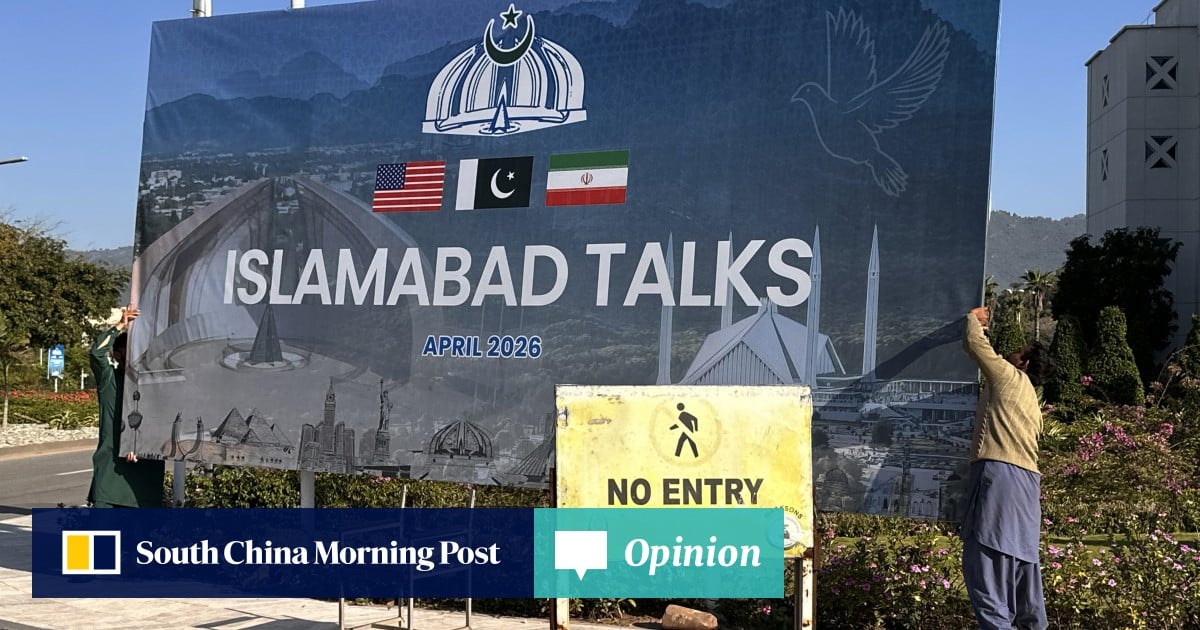
3-MIN READ3-MINSyed Munir KhasruPublished: 5:30am, 15 Apr 2026After more than 20 hours of high-level negotiations in Islamabad, US Vice-President J.D. Vance confirmed that Washington and Tehran were walking away without a deal. Iran reportedly refused to accept US terms on its nuclear programme, laying bare the deep strategic divides that continue to stall diplomatic solutions to the conflict.However, the venue tells a larger story. India has long been seen as South Asia’s most globally networked actor and has maintained ties with Washington, Tel Aviv, Tehran and the Gulf. In this crisis, however, Pakistan has gained unexpected diplomatic centrality, hosting the high-stakes US-Iran talks in Islamabad by leveraging a tactically aligned partnership with China to place itself at the core of diplomacy unfolding in recent weeks.The situation is not a structural shift in power. India is the world’s fourth-largest economy at roughly US$4.5 trillion compared with Pakistan’s US$410.5 billion. India’s defence budget of US$85 billion is nearly nine times Pakistan’s US$9 billion, and its exports exceed US$714.7 billion compared with Pakistan’s limited trade base, with monthly exports just crossing US$3 billion.AdvertisementBy conventional metrics, India’s geopolitical clout far exceeds Pakistan’s. Nonetheless, crises often reorder relevance, which is evident in moments of acute disruption along with immediate alignment.Apparently, that alignment is being structured by China. As tensions in the Gulf intensify, Beijing’s priority is clear: prevent escalation that could disrupt energy flows while retaining influence without direct exposure.