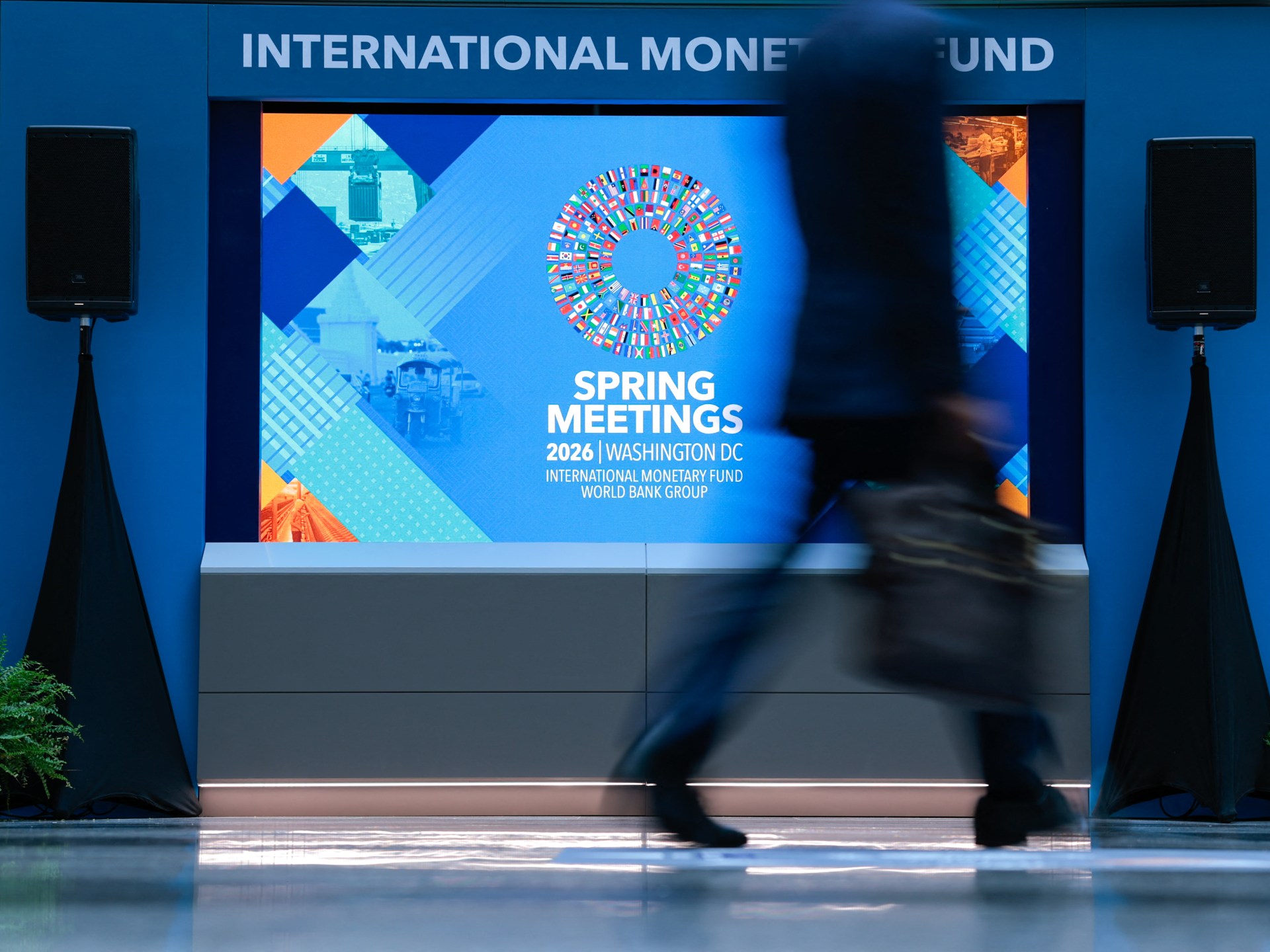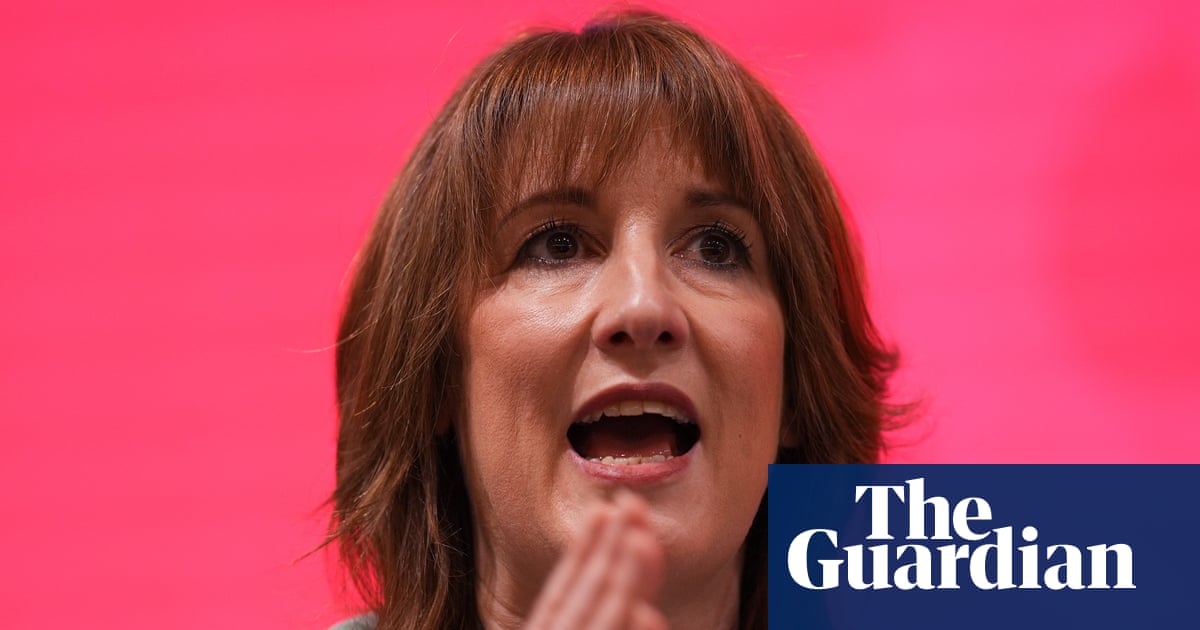
Rachel Reeves is attending the IMF and World Bank’s spring meetings in Washington. Photograph: Yui Mok/PAView image in fullscreenRachel Reeves is attending the IMF and World Bank’s spring meetings in Washington. Photograph: Yui Mok/PAAnalysisReeves arrives at IMF with little leeway to prove its UK downgrade wrongRichard Partington in Washington Chancellor faced with fund’s forecast that impact of Iran war will leave Britain as G7’s biggest loser
Iran war escalation could trigger global recession, IMF warns
The Iran war is bad news for the global economy. But for some countries, the unfolding conflict is having a bigger impact than for others. The International Monetary Fund’s verdict is that Britain is the G7’s biggest loser.
Amid the rising damage from the Middle East war, the Washington-based fund warned UK economic growth rate would be 0.5 percentage points lower this year than it had predicted back in January – the biggest downgrade among the club of wealthy nations.
Inflation is climbing towards 4%, while unemployment could hit the highest rate in more than a decade, it warned.
As Rachel Reeves flies into Washington on Tuesday for the IMF and World Bank’s spring meetings, it is a verdict that presents economic and political challenges. In a war that is not of the UK’s making – prosecuted by a close ally – how best to respond?
First of all, there are reasons why the UK is facing a bigger hit than other rich economies.
Entering the conflict, British growth had been lacklustre, with households and businesses mired under a cloud of tax speculation before Reeves’s budget last autumn, which crimped activity.
The IMF’s economic counsellor, Pierre-Olivier Gourinchas, noted that its weak forecasts for 2026 were partly because of a “shadow effect of that growth” influencing the performance.
It is a view Reeves does not recognise – arguing that Labour put the country on a stronger footing after taking power from the Conservatives. But UK households are still feeling the pain from the cost of living crisis and were facing the highest inflation rates in the G7 even before the Iran war broke out.
As a relatively small and open economy, the Iran war triggering the biggest shock to global energy supplies since the 1970s is also having an outsize impact on UK living standards.
The UK is highly reliant on gas for its energy mix. A lot of this gas is produced domestically but there is still a part that is imported – at significantly elevated market prices. With gas setting the price for energy in the UK, that has a big cost.
“There is more of a pass through, if you want, of gas prices into wholesale prices of energy – even if households are protected temporarily because there are some measures in place,” Gourinchas said.
Reeves says her priority at the IMF meetings will be to encourage de-escalation. However, the chancellor is also ramping up criticism of Donald Trump for waging the war on Iran. It is clear to see why.
Britain’s public finances are in a tight spot, with elevated levels of debt and rising borrowing costs – limiting Reeves’s room to respond to the crisis. But with consumers under pressure, and Labour behind in the polls before a tough set of May local elections, a response is required.
In the short-term, emergency financial support is expected. Because of the tight position of the public finances, temporary, targeted support is expected. Helpfully for Reeves, that is a course of action endorsed by the IMF.
However, in the long term the priority will be to ensure Britain is as insulated as possible from future shocks. That will involve the government supporting investment in renewable energy and strengthening economic growth.