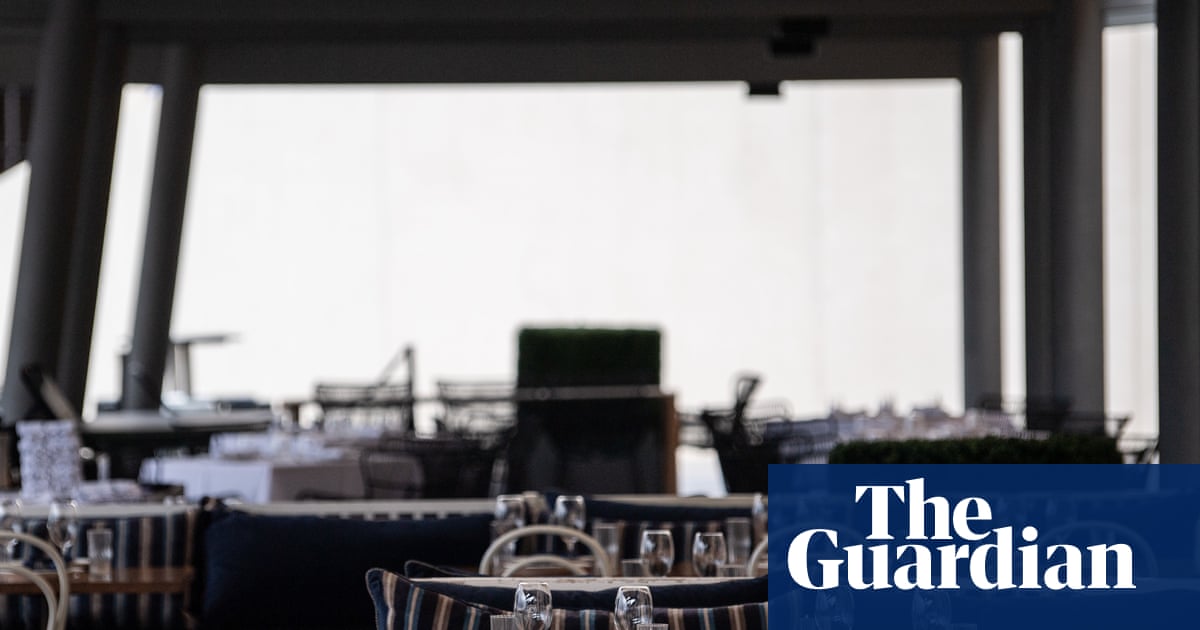
Analysts say households are reducing spending on dining out due to concerns over the future, particularly over the cost of petrol and the fallout of the Iran war. Photograph: James Gourley/AAPView image in fullscreenAnalysts say households are reducing spending on dining out due to concerns over the future, particularly over the cost of petrol and the fallout of the Iran war. Photograph: James Gourley/AAPDinner for few: Australians eating out less as fuel crisis deals biggest blow to consumer confidence since CovidExperts say ‘cautious consumption’ shows households bracing for return to extended period of financial pressure experienced during pandemic years
Get our breaking news email, free app or daily news podcast
Australians are choosing chicken schnitzel over more expensive rib-eye steak, avoiding entrees and sticking with tap water rather than a glass of wine amid ongoing uncertainty surrounding the fuel crisis and war in Iran.
As soon as the numbers on the petrol bowser started climbing last month as the US and Israel launched strikes on Iran, the customer response was swift.
“It happened in a matter of weeks; when you get this sort of dip in consumer confidence, that’s the way consumers act,” said John Hart, a restaurant owner and president of the Restaurant & Catering Association. “They’re eating at cheaper places or ordering less at the places they normally go.
“There’s very heightened price sensitivity.”
Read moreConsumer confidence is plummeting in Australia, with the closely watched Westpac-Melbourne Institute sentiment index, released on Tuesday, recording its sharpest monthly decline since the onset of the pandemic.
Westpac’s head of Australian macro-forecasting, Matthew Hassan, said consumers are bracing for a return to the extended period of financial pressure experienced during the pandemic inflation surge.
While it is common for consumers to change their spending habits during uncertain economic times, the speed of the response has been unusual. The Iran war, which has triggered huge volatility in oil prices, sparked an immediate rise in electric vehicle sales and changes in commuter habits.
Households are also stocking up on long-life pantry staples over fears food prices will rise and shortages could occur.
For many people, their reduced spending on dining out is about “cautious consumption”, whereby they shift into risk-averse behaviour due to concerns over the future – even though they could technically afford to order a full three-course meal and drinks.
Others were already struggling before the surge in petrol prices, coupled with interest rate hikes, pushed them into financial distress.
Kirsty Robson, a senior financial counsellor from Consumer Action working on the national debt helpline, said people are turning to buy-now pay-later providers and gift cards to pay for petrol and groceries.
Read more“As soon as petrol prices went up in March and the interest rate rise occurred at the same time, people became very anxious about the future and were unsure how they were going to afford to pay for things,” said Robson.
“It’s indicative of how much people were already on the edge and living paycheque to paycheque, and had not financially recovered from Covid and its flow-on effects.”
The trend of people paring their spending on dining out has been confirmed by multiple surveys and data sources.
While the US-Iran conflict only started about six weeks ago, households were already facing reigniting inflation and rising mortgage rates heading into March when petrol prices started to climb.
Payments tracked by Commonwealth Bank show that households have adjusted their budgets to pay for rising fuel prices and elevated energy bills by spending less on eating and drinking out, travel and home improvement.
National Australia Bank also found in its consumer sentiment survey released in early April that discretionary and lifestyle spending had experienced a sharp deterioration, with consumers eating out less and cutting back on food deliveries.
NAB said that a rising number of consumers are “reducing, cutting or spending less” on treats such as coffee and snacks.
“These categories are typically among the most resilient during milder slowdowns, so the scale of the pullback points to heightened financial caution and close management of day-to-day expenses,” NAB said.
Hart said he hoped the pullback in restaurant spending will subside once people get “sick of talking” about the oil crisis, although he says venues that rely on commuters are facing a tougher outlook.
“It’s the day-tripper destination market that’s really being affected,” said Hart, referring to vineyard and coastal eateries people visit during trips.
“People are very conscious of how far they’re going. They are not just getting in the car and driving until they get hungry.”