ShareSaveAdd as preferred on GoogleRegan MorrisandNardine Saad,Los AngelesGetty ImagesMore than 1,400 actors, directors and filmmakers - including scores of Hollywood stars - have signed an open letter opposing the proposed merger of film studios Paramount and Warner Bros Discovery.
The letter, signed by Emma Thompson, Ben Stiller, Javier Bardem and Rose Byrne, argues that the deal would harm an already battered US entertainment industry.
"This transaction would further consolidate an already concentrated media landscape, reducing competition at a moment when our industries—and the audiences we serve—can least afford it," they said.
Paramount responded by pledging its commitment to talent and "ensuring creators have more avenues for their work, not fewer".
The deal appears to be the latest symptom of an entertainment industry still reeling from the after-effects of the Covid pandemic and the work stoppage from dual labour union strikes in 2023, as well as big-tech disruptions and changes in consumer behaviour.
The merger - estimated at around $111bn (£82.2bn) - would reduce the number of US film studios to four, effectively also reducing the number of people working for studios and narrowing the number of buyers and makers of film and TV, the letter argues.
Other signatories expressing their "unequivocal opposition" to the media consolidation include Kristen Stewart, Kristin Scott Thomas and Glenn Close. The BBC understands that more entertainment industry professionals are still adding their names to the list.
"The result will be fewer opportunities for creators, fewer jobs across the production ecosystem, higher costs, and less choice for audiences in the United States and around the world," the signatories say.
The letter concludes by calling for California Attorney General Rob Bonta and other regulators to block the deal.
Watchmen and Lost co-creator Damon Lindelof, a signatory who has an overall deal with Warner Bros Discovery, further voiced his opposition on social media.
"Hollywood mergers mean fewer movies and fewer TV shows and that means fewer jobs," he wrote. "When two storied backlots are owned by the same company, the outcome is intuitive — one becomes a Ghost Town. I'm scared. But I'm not a ghost. And a fight is already lost if it's never fought."
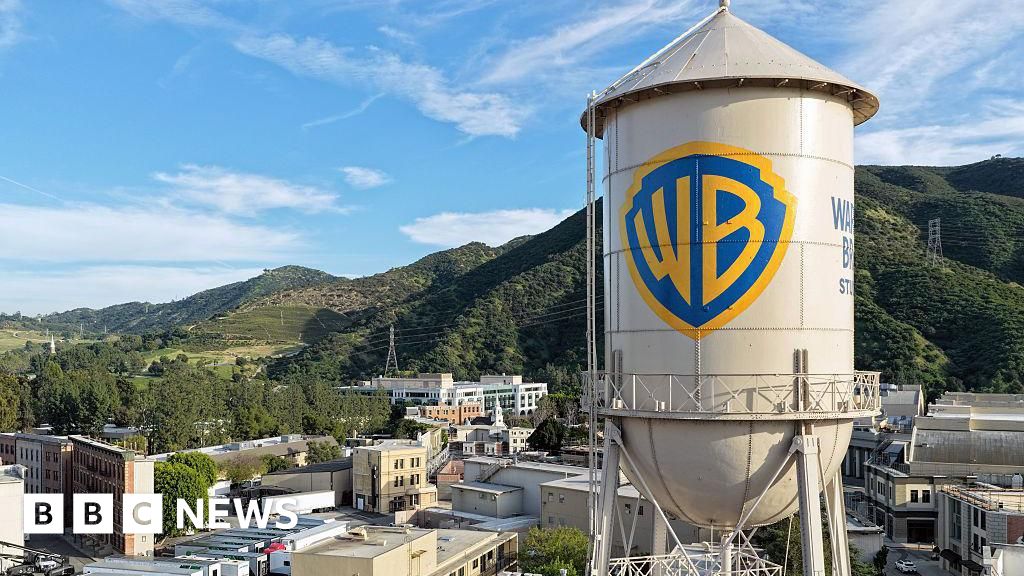
Paramount Skydance reached a deal to acquire Warner Bros Discovery in late February after Netflix dropped its months-long bid for the company, which houses brands including Looney Tunes, Harry Potter, Friends, the HBO hits Succession, Sex and the City and Game of Thrones, as well as CNN.
David Ellison, chief executive of Paramount Skydance and the son of tech billionaire Larry Ellison, has said that he plans to keep Paramount and Warner Bros as stand-alone movie studios and increase output by releasing at least 30 high-quality feature films in theaters each year.
"[A]s creators we know firsthand that this is also a moment when the industry has been facing significant disruption—and the need for strong, creative-first and well-capitalized companies that can continue to invest in storytelling has never been greater," Paramount Skydance said in response to the letter on Monday.
The studio said that the merger will allow it to greenlight more projects, back bold ideas, support talent across multiple stages of their careers, and bring stories to audiences at a global scale, as well as strengthen competition.
Paramount Skydance - itself the product of a 2025 merger between Ellison's Skydance and Paramount Studios - said it will continue to licence content and preserve iconic brands with independent creative leadership, "ensuring creators have more avenues for their work, not fewer", the statement said.
The deal still needs to be approved by shareholders later this month, as well as get a stamp of approval from government regulators.
The BBC has contacted Warner Bros Discovery for comment.