Australian governments are spending $2.13bn every year feeding people in hospitals, aged care facilities and other public settings – low-quality food which contributes to poor diet and long-term health costs, a new report has found.
That investment (which equates to $6m a day) is one of the most powerful policy levers available to governments to improve national health outcomes, but it is currently marked by a near-exclusive focus on cost and scale, according to the report titled Transforming the Public Plate.
Commissioned by philanthropic organisation Macdoch Foundation and released by the newly formed Good Food Purchasing Australia (GFPA) initiative, it has found public food procurement is dominated by large suppliers and multinationals, with limited pathways for small, medium, local and First Nations producers to participate.
Without a national framework of standards to drive better outcomes from public food spending, the authors say Australia is falling behind other comparable countries such as the UK, EU and parts of the US.
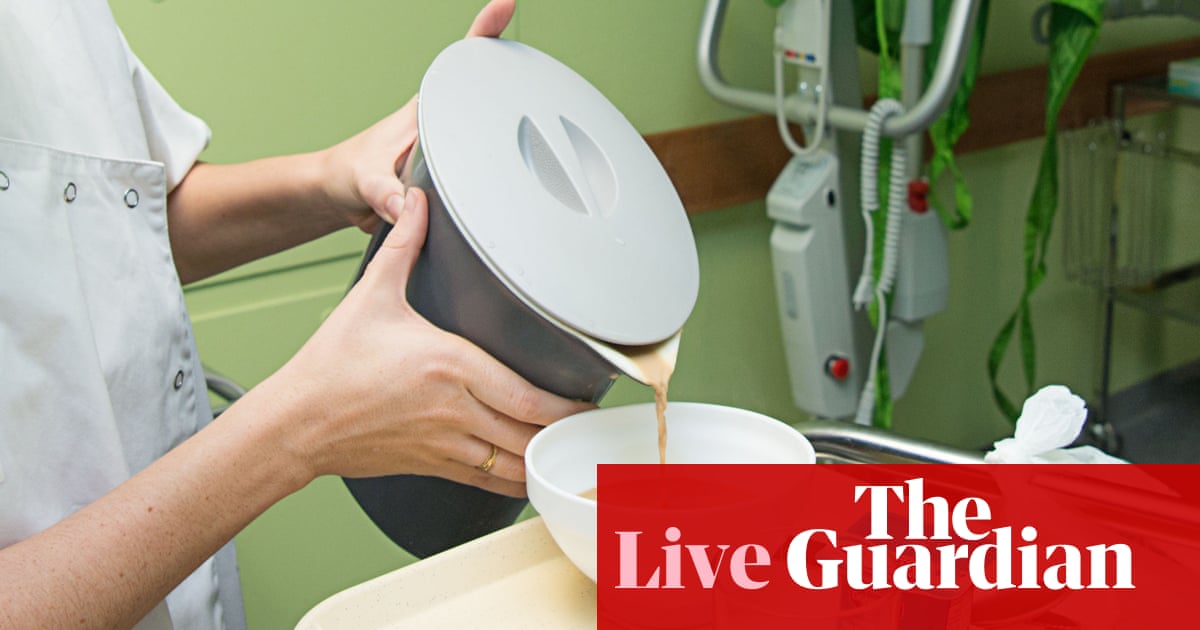
Indeed, when Guardian investigated hospital food around the world, what Australia was serving paled in comparison with more wholesome options overseas. And a big part of the problem was not using fresh food but contracting out food preparation services to private companies to produce meals in bulk and deliver them frozen.