Analysts believe the plan to target Iran’s economic lifeline is well within the navy’s capabilities, but this may prompt a military response
3-MIN READ3-MIN ListenAlcott Weiin BeijingandSeong Hyeon Choiin Hong KongPublished: 8:28pm, 13 Apr 2026The US blockade of the Strait of Hormuz may give it a strategic advantage over Iran, but analysts warned that the increased pressure on Iran may call the ceasefire into question and deepen the energy crisis.
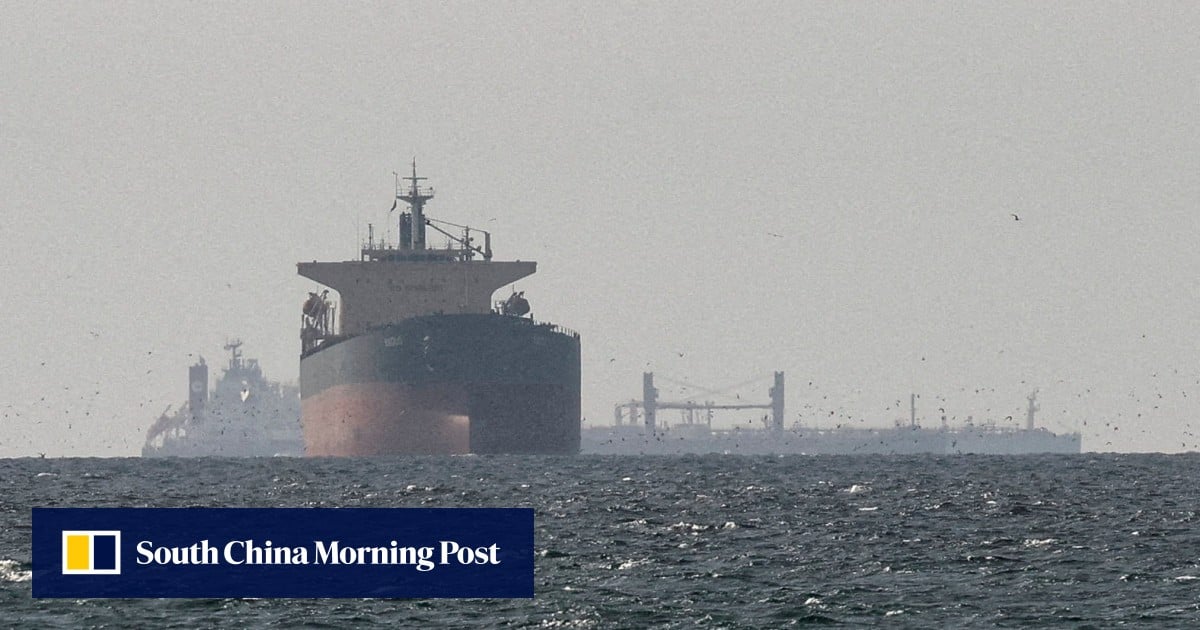
US Central Command said a blockade on ships “entering or departing Iranian ports and coastal areas” would take effect at 10am US eastern time (3pm GMT) on Monday along the Persian Gulf and Gulf of Oman.
It also said it would not impede vessels crossing the Strait of Hormuz to and from non-Iranian ports, a step back from US President Donald Trump’s claim there would be a full blockade.
The Islamic Revolutionary Guard Corps warned the US on Sunday that any attempt by any military vessel to approach the Strait of Hormuz, under any pretext, would be considered a violation of the ceasefire agreement and would be met with a forceful counterattack.
Around 20 per cent of the global oil trade relies on the strait, which has been closed to all but a handful of ships since the start of the war on February 28.
Yue Gang, a retired People’s Liberation Army colonel and military commentator, said the US could position its warships outside the 300-400km (185 to 250-mile) range of Iran’s anti-ship missiles to interdict vessels bound for Iranian ports and target Tehran’s economic lifeline.