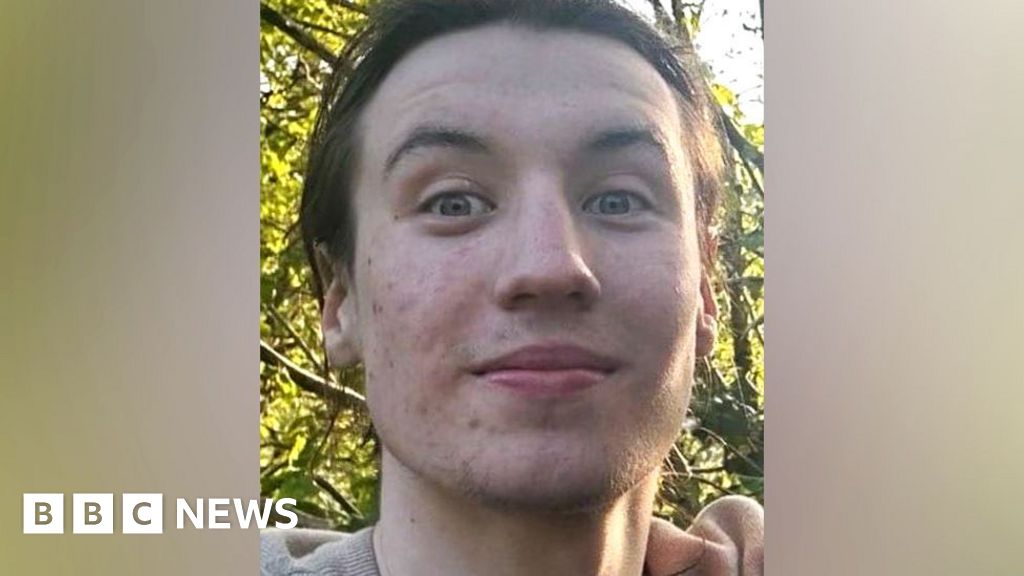
Colorado mom Dana Grueser is still trying to piece together how her sweet son ended up on a locked ward screaming at her for being a Nazi and begging for his phone. “Yeah,” sighs Dana. “It’s a lot.”
At this point it has been two years since that dark time. When her son Ari was 14 and starting high school, Dana says, his friend group fell apart. He and his girlfriend broke up, and his parents separated, too. Dana encouraged him to go outside, but he said no one else was out there. He started spending more time online.
Dana wasn’t too worried. She’d set up parental controls. And yet, she would later learn, Ari got to the point where he was eluding all the safeguards and spending 12-14 hours online a day.
Online he made new “friends,” who urged him to do things like carve pentagrams and upside down crosses on his chest.
The FBI recently issued a warning about these “violent online networks,” that work to establish trusting relationships with kids, especially ones with issues like depression or eating disorders.
Once they’ve gotten a kid to do something humiliating — say, mutilating themselves on camera — they can threaten to show this to the kid’s friends or families.
As for why the gangs do this, the FBI lists sexual gratification, criminal extortion, social status and/or the desire to sow chaos.
The first few times Ari cut himself he was so upset afterward that he told his mom. But when Dana reported the cutting to his therapist, Dana says the response was, “So many kids are self-harming that we don’t necessarily raise it to an ‘emergency level’ unless they have a plan to commit suicide.”
So her son kept cutting himself. Even after Dana locked up all the knives and scissors, he used the wire from a spiral notebook. His political rants were all over the map.
One Saturday as Dana drove Ari home, she asked him, “Where are you getting this information and why are you feeling this way?”
Ari exploded. He screamed at his mom for persecuting him, called her a Nazi and shoved his phone in her face to show her a video on TikTok. When they got home, Dana says, “I started Googling, ‘Is my son being radicalized online?’ ”
That Tuesday, Ari’s sister showed Dana what she’d found hidden in Ari’s clothes: a six-inch hunting knife inscribed, “Death.”
On Dana’s insistence, he was admitted to a locked psychiatric ward where he stayed for 10 days.
When he was convinced to divulge his phone password, “I was able to get in and see stuff I had hoped never to see in my whole life,” says Dana. “Hundreds of pictures of self-harm, starting out with just a little cut to his arm, but eventually all over, head to toe, cut-up.”
When he got out of the hospital, he went into six weeks of intensive therapy and also back to school — a different one.
With only a flip phone now, Ari had a lot of time to fill. He organized a band, learned sound engineering and recorded a solo album. He also started taking Jiu Jitsu. And then, says Dana, one day:
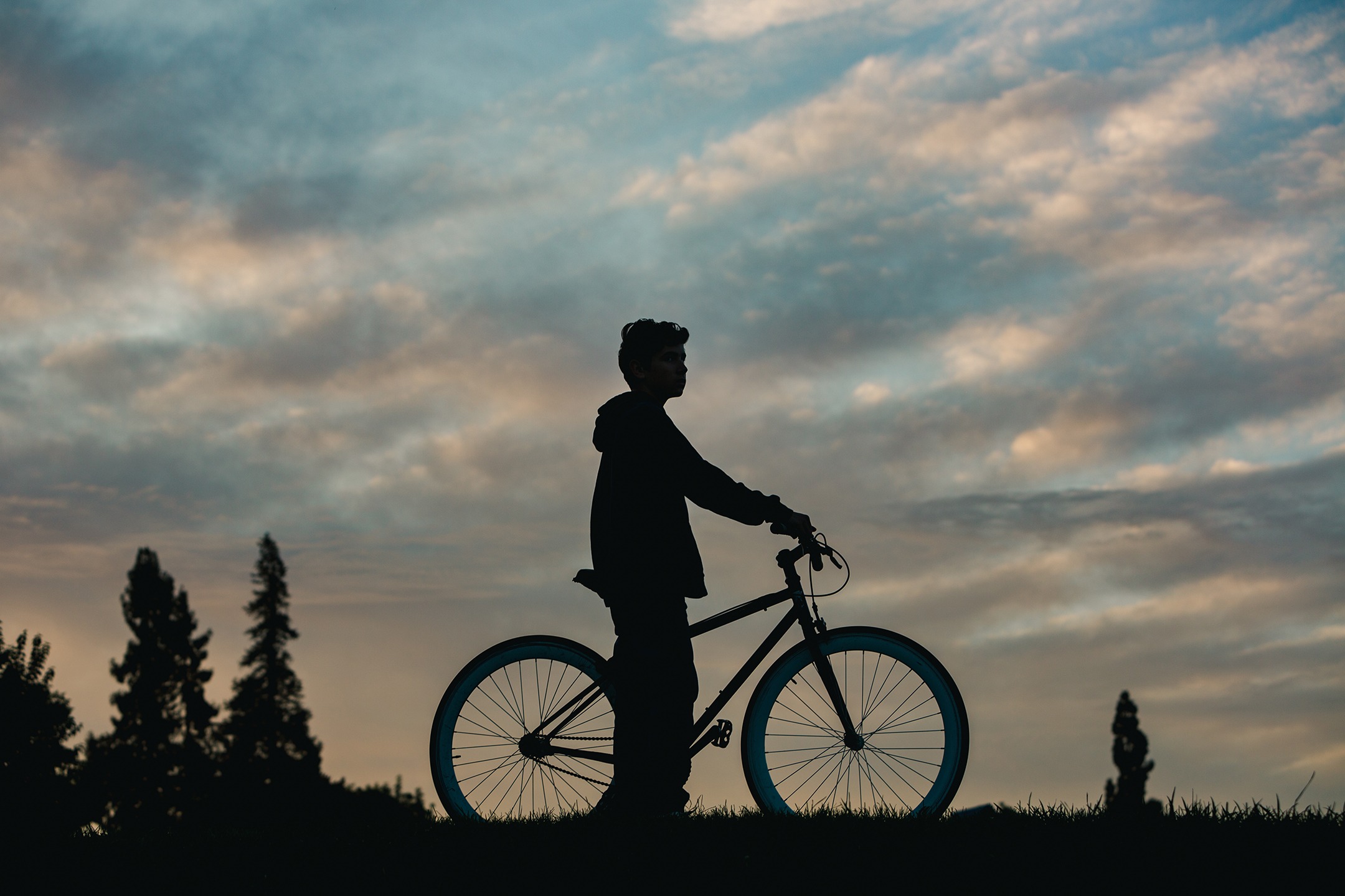
“He came home and said, ‘Mom, the best, coolest thing happened! I GOT A FLAT TIRE!’ ”
“You got a flat tire and that was cool?” Dana asked.
“I got the flat tire and I was thinking, ‘Oh my God — what do I do? How am I going to get home? I’m really far away!’ ” Ari said. His first impulse was to call Dana. “But then I wanted to figure it out on my own.”
So he did. He got himself to a bike shop where they fixed the tire — gratis — and sent him on his way.
“I figured it out on my own, Mom. I didn’t have to call for your help.”
That was the turning point: A chance to prove himself in the real world.
Dana believes her son was saved by three things, in addition to the hospitalization and therapy:
Back when her son was first enticed into the world of gore, says Dana, “I really think that if he’d just had a game of pick-up baseball in the park, it might have been enough to keep him connected.”
That’s the reason she’s sharing her story — and advice:
Today’s kids “are not allowed to go across the street to get a Starbucks. They’re not allowed to go anywhere or do anything — but they’re allowed to be on social media for hours,” says Dana. It’s time to flip that. We can encourage neighbors to let their kids play outside, too, without us hovering. We can ask our schools to ask our kids to do more things on their own, too. (The nonprofit I helm, Let Grow,has a free, independence-building program for schools. Let a thousand tires deflate!)
“We can ask our kids to run errands, and trust them to deal with some snags along the way.
“Most kids will not end up radicalized online, thank god. But most kids will end up better off if we can give them back a real-world childhood.”
Skenazy is president of Let Grow, the nonprofit promoting childhood independence and resilience, and founder of the Free-Range Kids movement. Here is her TED Talk.