Shortages of imported fertilisers and fuel could not have come at a worse time for many Southeast Asian rice farmers
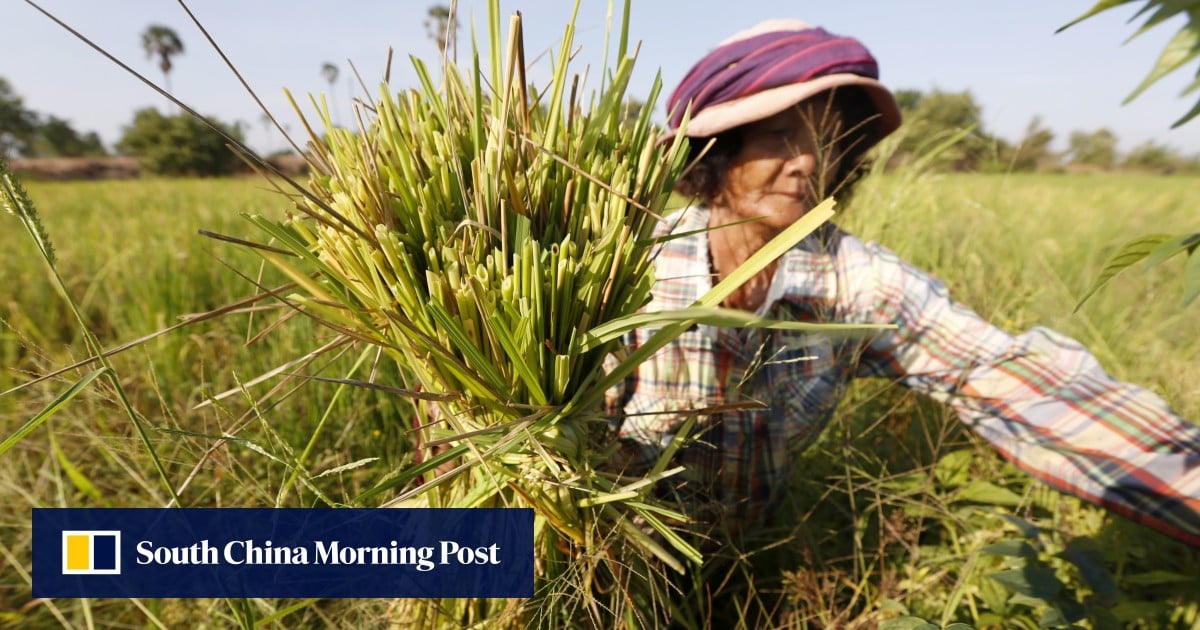
4-MIN READ4-MINBloombergPublished: 11:00am, 11 Apr 2026Updated: 11:04am, 11 Apr 2026Harvest-ready rice fields are lying idle and farmers are deciding whether to skip planting for the coming season, as spiking fuel and fertiliser costs from the war in the Middle East hit one of the world’s biggest rice-growing regions.Across Southeast Asia, tens of millions of smallholders are struggling to find affordable crop nutrients as well as the diesel needed to run tractors, irrigation pumps and rice planters. In Thailand, some farmers are leaving the crop in the ground as it is too expensive to harvest.The scarcity of supplies underlines how the six-week war in Iran has upended global trade and raised concerns around food shortages. As well as driving oil prices higher, the near-closure of the Strait of Hormuz – which remains largely blocked despite a temporary ceasefire – has choked a vital route for fertiliser and fuel deliveries, with Asia particularly affected.Advertisement“There’s a lot of panicked farmers,” said Patrick Davenport, director and co-founder of BRM Agro, an integrated rice farmer and miller in Cambodia, where roughly three-quarters of the population live in rural areas. “Most are involved in agriculture – and they’re all hurting,” he said.A woman harvests rice in Kandal province, Cambodia. Roughly three-quarters of the country’s population live in rural areas and most are involved in agriculture. Photo: EPA-EFERice is a staple for more than half of the world’s population, as well as a livelihood for rural communities across a region where agriculture still accounts for a large share of economic activity. Farmers struggling with input costs that have doubled or even tripled are also finding themselves squeezed by persistently low prices, at least for now.