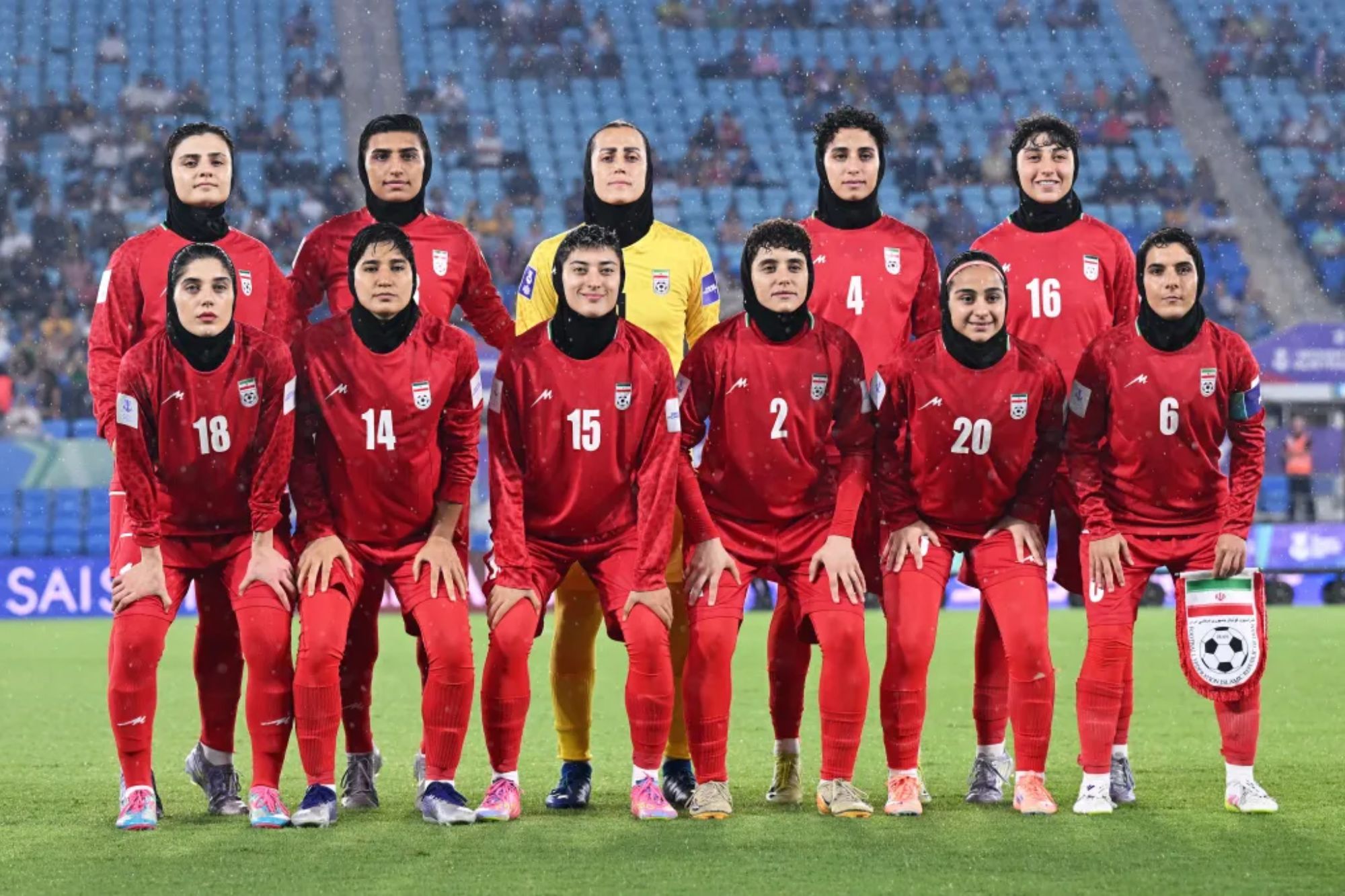
The Iranian women’s soccer team arrived back from the Asia Cup on March 19, facing war and an uncertain future over acts of perceived dissidence during their trip.
Since then, the regime — perhaps distracted by the decimation of their army, navy, drone capabilities and nuclear program by US forces — has largely left them alone, although sources warn they will be on a tight leash.
“It seems they are ok,” a source who had spoken with most of the team this week told The Post.
“Now that there is a cease-fire, they said they are going to training, going to coffee shops. They are also posting online, although they are being very careful about what they say.”
One defector said the bloodthirsty regime — which has been executing athletes who disobey them, even since the war began on Feb. 28 — will observe and put pressure on the squad and their families.
“I don’t think anyone believes that their lives are back to normal,” said Zohreh Abdollahkhani, a former member of the Iranian ice climbing team, who defected and established Human Rights for Sport, an Oslo-based nonprofit.
“We can anticipate that every sort of communication is monitored and that male members of their families are being pressured. That is what has happened in the past, and it’s likely happening now.”
The Iranian women’s team trip to the Asian Football Federation’s Cup in Australia got off to a controversial start when members did not sing their national anthem at their opening match against South Korea March 2. The refusal was widely seen as an act of solidarity with victims of government repression and led the Iranian state broadcaster to initially brand the athletes, known as the Lionesses, as “wartime traitors” to the country.
Following their elimination in three games, five members of the squad claimed asylum and were granted humanitarian visas by Australia. Later, a sixth team member and a staff member also claimed asylum, bringing the total to seven.
However, by the time the team left Australia on March 10, five of those granted asylum reversed course and returned to Iran. They changed their minds when the regime threatened their families in Iran, according to the Post’s source.
The two women who stayed in Australia, Fatemeh Pasandideh and Atefeh Ramezanizadeh, are now settling into new lives but not yet ready to speak publicly, sources linked to them told The Post.
Only one interview has been given since the team landed back in Iran, when two members of the team spoke to Doha-based news outlet Al Jazeera on April 3.
Team member Mona Hamoudi said they had all been put under pressure by anti-regime dissidents in Australia, from the moment they arrived, who all pressured them to take a stand against the Iranian government.
“This dilemma caused me constant anxiety, because every choice carried consequences – for my life, for my family, and for my sporting future,” Hamoudi told Al Jazeera. “I became more aware of the social and political pressures around me, and I realized the value of family support and national commitment in facing crises”.
Zahra Sarbali, a midfielder who also withdrew her asylum claim, decried the “harassment and constant following from media and social media, the expectations, the pressure from the Iranian-Australian community.”
When the team arrived back in Iran they received a hero’s welcome, shown in videos published by Al Jazeera of them receiving flowers while huge crowds cheered and waved the nation’s flag.
But opponents of the regime say the women and their families will be under constant surveillance and pressure, especially as they train for their next matches.
Abdollakhani — whose nonprofit documents abuse of Iranian athletes by the regime — highlighted the detention of Benyamin Naghdi, a 26-year-old kickboxing champion. He is at “imminent” risk of execution for resisting arrest during anti-government protests earlier this year, she said.
Naghdi’s “forced” confession was broadcast on Iranian television and his family was told to pick up his belongings from prison, Abdollakhani told The Post Thursday.
Despite the two-week ceasefire brokered by President Trump this week, Abdollahkhani doesn’t believe it will have any effect on jailed sports heroes, who face torture and death.
“The ceasefire is between Israel, Iran and the US,” she said. “It is not between the Iranian people and the Islamic regime.”
Last month, Iranian officials executed 19-year-old wrestler Saleh Mohammadi in a public hanging. More than 200 Iranian athletes have been killed as a result of taking part in anti-government demonstrations this year, according to Abdollakhani.