The six GCC nations worry that the US will prioritise Tehran’s needs and leave the Gulf monarchies vulnerable to Iranian retaliation
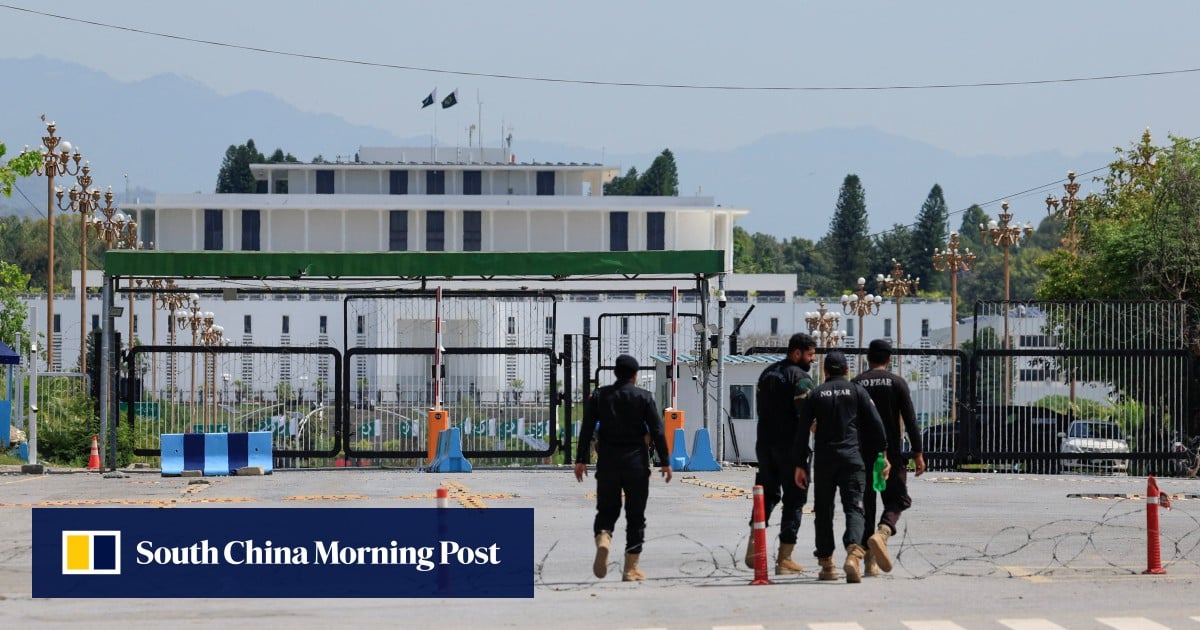
4-MIN READ4-MIN ListenTom HussainPublished: 6:00pm, 10 Apr 2026The Gulf’s six Arab monarchies, battered by Iranian drones and missiles because of a war they never wanted, are watching with trepidation to see what the Pakistan-hosted US-Iran negotiations will yield for their collective future.After China and Russia vetoed the Gulf Cooperation Council’s bid to attain UN Security Council approval for “defensive” measures to force open the Strait of Hormuz earlier this week, analysts say the GCC states have little sway over what is about to transpire in Islamabad.
Largely dependent on what they were being told by Washington and Pakistan’s leaders, Saudi Arabia, the United Arab Emirates, Qatar, Kuwait, Bahrain and Oman have good reason to fear that peace could come at the cost of their long-term security, thereby sabotaging the GCC-wide drive to diversify their oil and gas-financed economies before the global economy completes its transition to renewables.
Their concerns, almost always raised diplomatically behind closed doors before the US-Israel war against Iran began on February 28, have been expressed increasingly loudly – and in some cases, angrily – in the build-up to the talks in Pakistan.
Officials and commentators with close government ties in the UAE and Kuwait have been the most outspoken about being sidelined.