The latest outlook also shows a 25% probability that the system could grow into a "very strong" event, raising concerns among meteorologists watching the rapidly shifting ocean-atmosphere conditions. A potentially significant El Nino is taking shape in the Pacific Ocean, with forecasters now saying there’s a 61% chance the climate pattern will develop between May and July, according to the National Weather Service Climate Prediction Center.
The latest outlook also shows a 25% probability that the system could grow into a “very strong” event, raising concerns among meteorologists watching the rapidly shifting ocean-atmosphere conditions.
The update comes just after La Nina, which dominated the most recent winter, officially ended, clearing the way for a transition in the tropical Pacific tied to the broader climate cycle known as El Nino-Southern Oscillation (ENSO).
The pattern alternates between its warm phase, El Nino, and its cooler counterpart, La Nina, with neutral periods in between.
El Nino conditions develop when weakened trade winds allow unusually warm water to build across the central and eastern tropical Pacific.
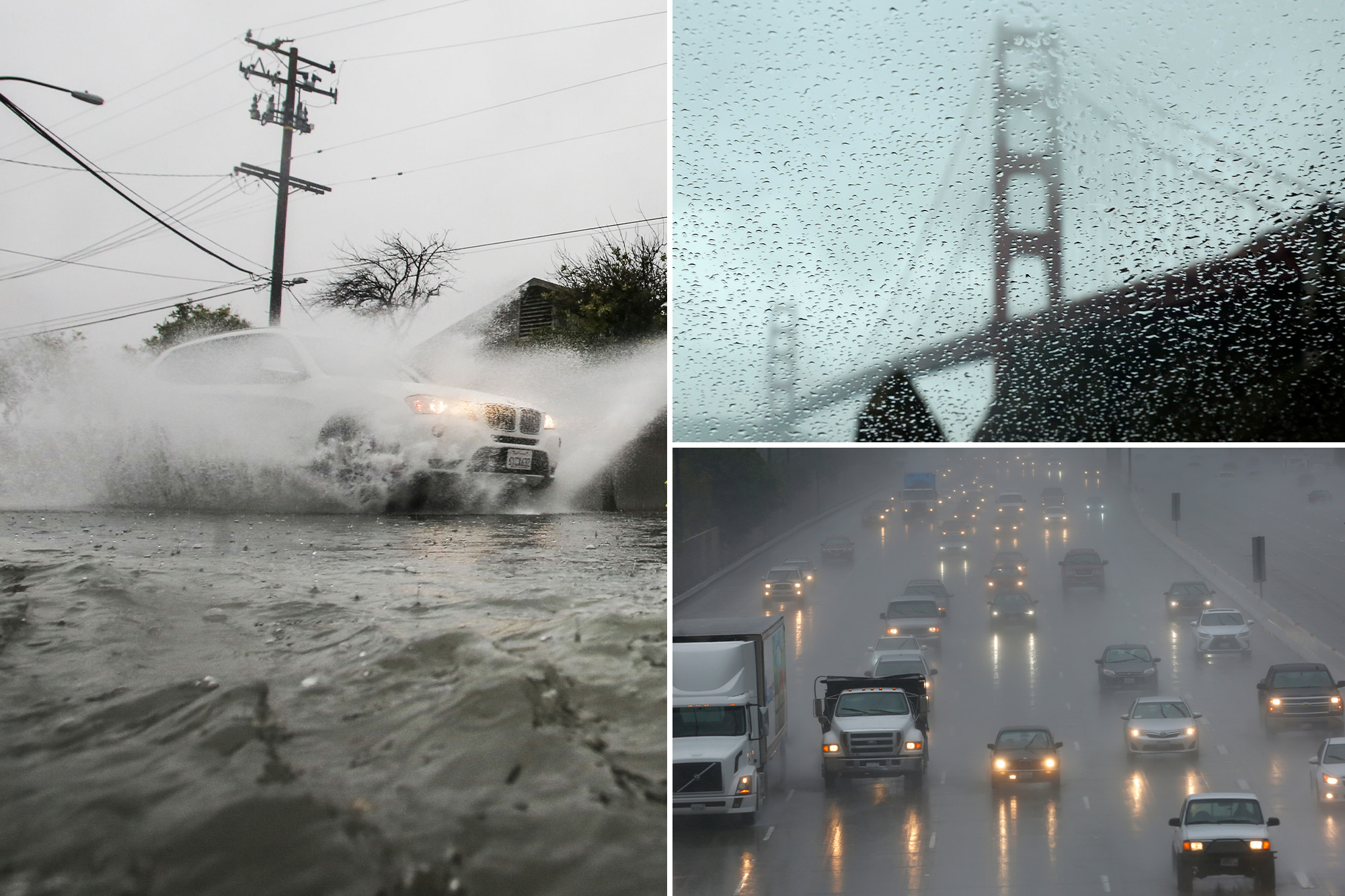
The shift can influence weather patterns worldwide, including rainfall and storm tracks in California, though outcomes vary widely from one event to another.
Scientists caution that while El Nino often tilts the odds toward wetter winters in SoCal, history shows the pattern is far from predictable. The infamous 2015–2016 “Godzilla” El Niño, one of the strongest on record, failed to deliver expected rainfall in the region.Since 1950, there have been only five strong El Ninos and five very strong ones, according to researchers tracking ocean temperature anomalies.
“This potential developing event has more access to warm water than any of those past events had and has also achieved more westerly wind forcing in the western Pacific than any of those previous events,” Paul Roundy, an atmospheric scientist at the University told the SFGate.
Still, he cautioned it is too early to lock in expectations for next winter.