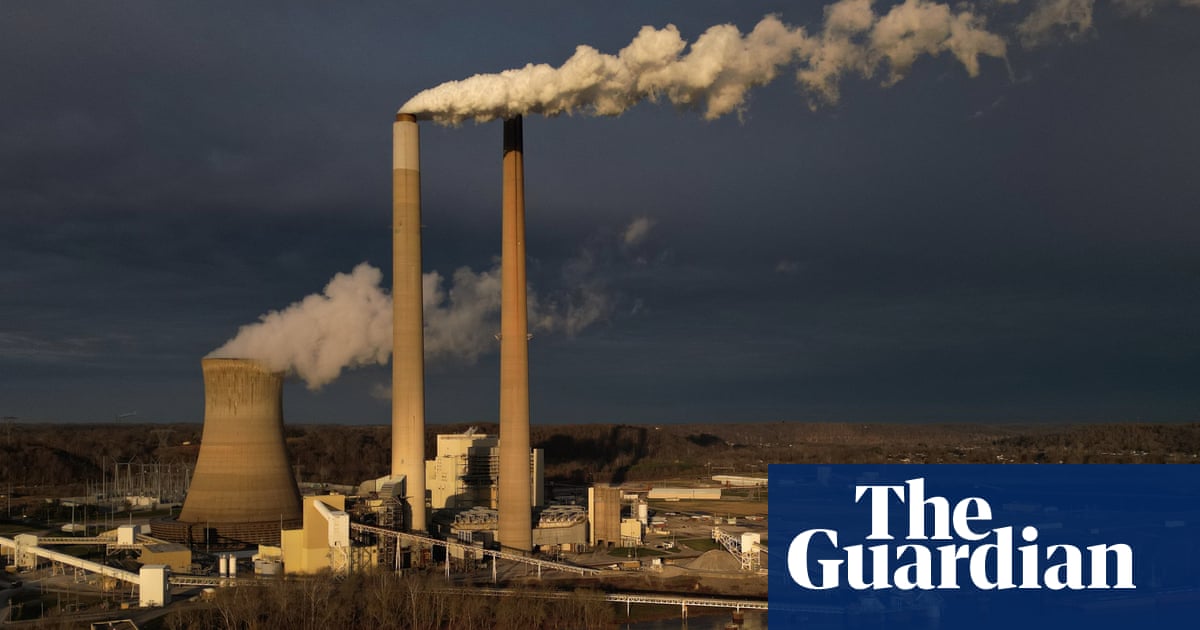
Barges of coal travel along the Ohio River near New Haven, West Virginia, in March 2026. Photograph: Carolyn Kaster/APView image in fullscreenBarges of coal travel along the Ohio River near New Haven, West Virginia, in March 2026. Photograph: Carolyn Kaster/APUS agency proposes rolling back rules for safe disposal of toxic coal ashAdvocates warn changes could increase risks of pollutants contaminating water and exposure to toxic waste
The Environmental Protection Agency on Thursday proposed weakened rules governing the safe disposal of ash produced by burning coal. Those regulations were strengthened under the Biden administration as part of a wider crackdown on pollution from coal-fired power plants.
The Trump administration proposed easing standards for monitoring and protecting groundwater near some coal ash sites, rolling back rules forcing the cleanup of entire coal properties instead of just places where ash was dumped. The revisions would also make it easier to reuse coal ash for other purposes.
Lee Zeldin, the EPA administrator, said the proposal reflects the agency’s “commitment to restoring American energy dominance, strengthening cooperative federalism, and accommodating unique circumstances at certain (coal ash) facilities”.
Burning coal produces tremendous amounts of ash, a waste product that contains heavy metals. If not stored properly, coal ash can contaminate groundwater. Coal plants are often situated on the banks of rivers or other waterways, with waste ash sitting nearby.
The EPA first set standards for coal ash during the Obama administration. They included requirements for companies to line new storage sites, monitor water and close leaky ponds, often requiring the material to be moved elsewhere. In 2024, Joe Biden’s administration eliminated exemptions that had been granted to some older coal ash sites.
The move is the latest in a series of Donald Trump administration’s efforts to weaken clean air and water standards as part of regulatory relief for the fossil fuel industry. It’s also in line with Trump’s efforts to boost US coal and suppress cleaner alternatives.
“The toxic metals and pollutants leach out into the surrounding waters,” said Nicholas Torrey, an attorney with the Southern Environmental Law Center, a non-profit. “That’s the pollution threat that’s happening every day.”
Environmental groups and community advocates warned the changes will mean more dangerous pollutants contaminating water and expose more people living near coal plants to toxic waste.
Read moreThe coal industry has argued that a host of stringent rules raising the cost of running a coal plant prematurely pushes them into retirement. The industry has previously asked the EPA for changes.
A coalition of coal and energy associations wrote last year: “EPA’s recent unprecedented expansion of the federal (coal ash) regulations has needlessly diverted funds from the power sector’s efforts to meet the Nation’s growing energy needs; increased costs for power companies and consumers without corresponding benefits to public health or the environment.”
Disasters first prompted the EPA to regulate coal ash. The agency started looking into the problem after a dike failed in Tennessee in 2008, spreading coal ash over 300 acres or 120 hectares and forcing a massive cleanup. Workers involved in that effort said the ash exposure caused cancers. In 2014, tens of thousands of tons spilled in North Carolina.