Amazon’s AI services at its cloud-computing unit are generating annualized revenue of more than $15 billion, CEO Andy Jassy said, the first time the company has reported numbers on a business it has backed with billions of dollars in investment.
The figure, based on first-quarter performance, represents roughly 10% of Amazon Web Services’ $142 billion revenue run-rate and follows years of wait from investors and analysts.
The disclosure was one of several Jassy made on Thursday in his annual shareholder letter that sketched an increasingly confident portrait of the technology giant’s AI ambitions.
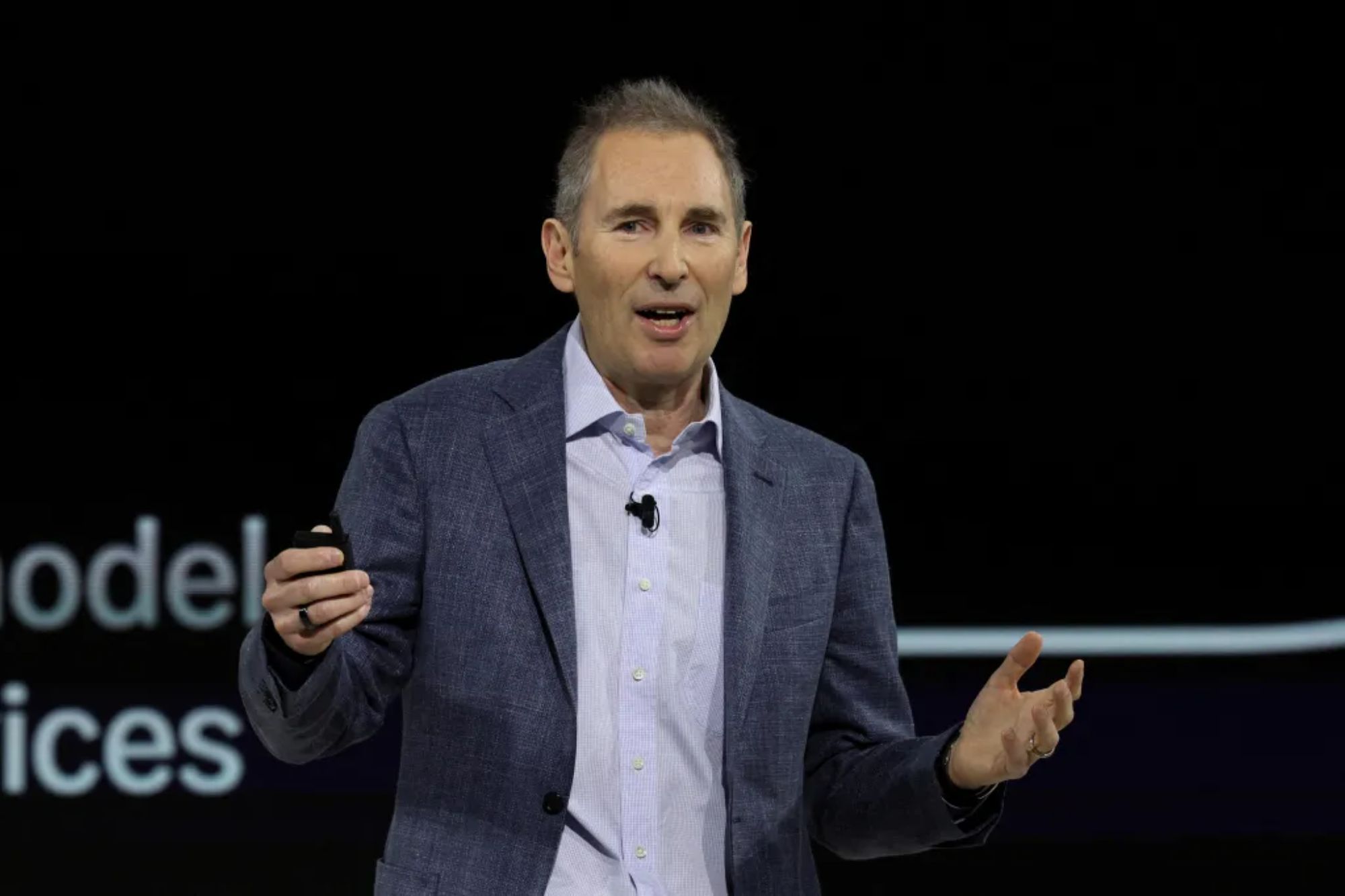
CEO Andy Jassy said in a shareholder letter that Amazon’s AI services at its Amazon Web Services unit are generating annualized revenue of more than $15 billion. REUTERS Amazon shares rose 4.6%.in Thursday afternoon trading.
Like rivals, Amazon is under pressure to prove its spending on AI would pay off. The company projected $200 billion in capital expenditure this year, mainly focused on AI, a figure that spooked investors and fanned worries about an industry bubble.
“We’re not investing … on a hunch,” Jassy said.
“Of the AWS capex we expect to spend in 2026, much of which will be monetized in 2027-2028, we already have customer commitments for a substantial portion of it.”
“The AI run-rate is a strong validation that AWS is successfully turning the AI boom into real, high-growth revenue,” said Brian Mulberry, chief market strategist at Zacks Investment Management, which holds Amazon shares.
“It’s still ‘early days’ per Jassy, but the momentum positions AWS as a leader in AI infrastructure.”
Amazon has been under pressure to prove its spending on AI would deliver. REUTERS Meanwhile, smaller cloud rival Microsoft said in January its AI business had crossed an annual revenue run-rate of $13 billion in late 2024.
While the disclosures from Amazon and Microsoft offer more clarity on Big Tech’s AI investment returns, they still do not compare directly, as the revenue run-rate metric projects annual performance by extrapolating current sales and relies heavily on the period it is calculated in.
Jassy also pointed to rapid growth in Amazon’s custom chip business, as large tech companies develop their own processors to cut dependence on Nvidia’s costly AI chips.
That business, which includes Graviton processors, Trainium AI chips and Nitro networking cards, now has an annualized revenue run-rate of over $20 billion, doubling from the $10 billion disclosed alongside fourth-quarter results.
Jassy suggested Amazon could eventually sell its chips to outside customers. Rival Google has found success with a similar strategy, striking a deal last October to supply Claude-creator Anthropic with one million of its custom AI chips, worth tens of billions of dollars.
“There’s so much demand for our chips that it’s quite possible we’ll sell racks of them to third parties in the future,” Jassy said.