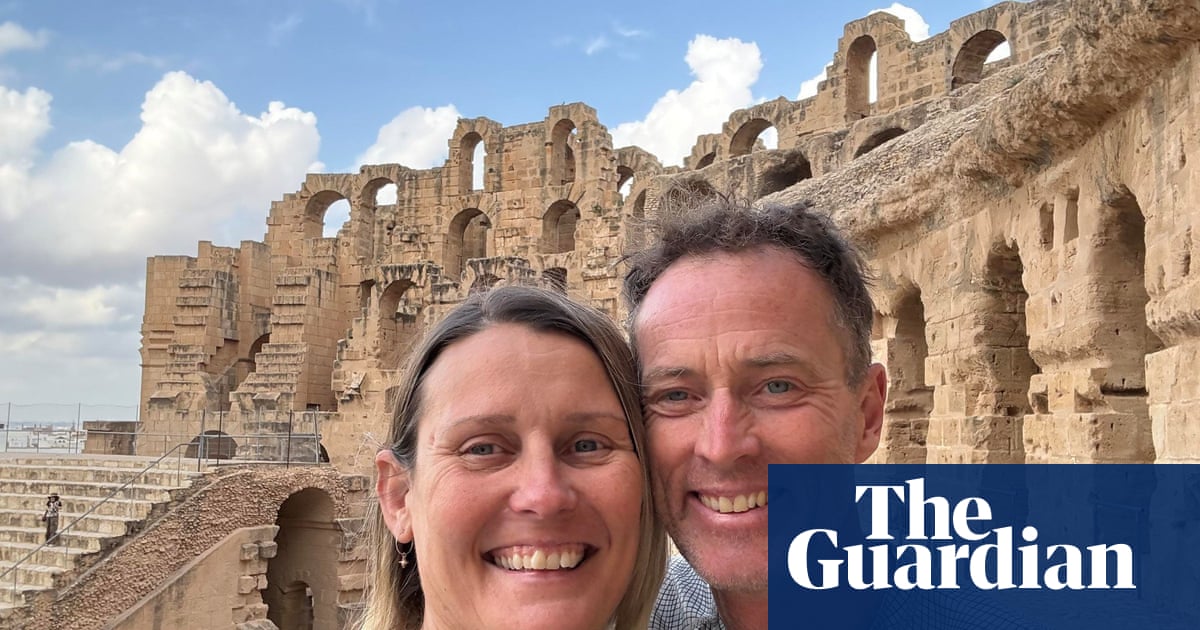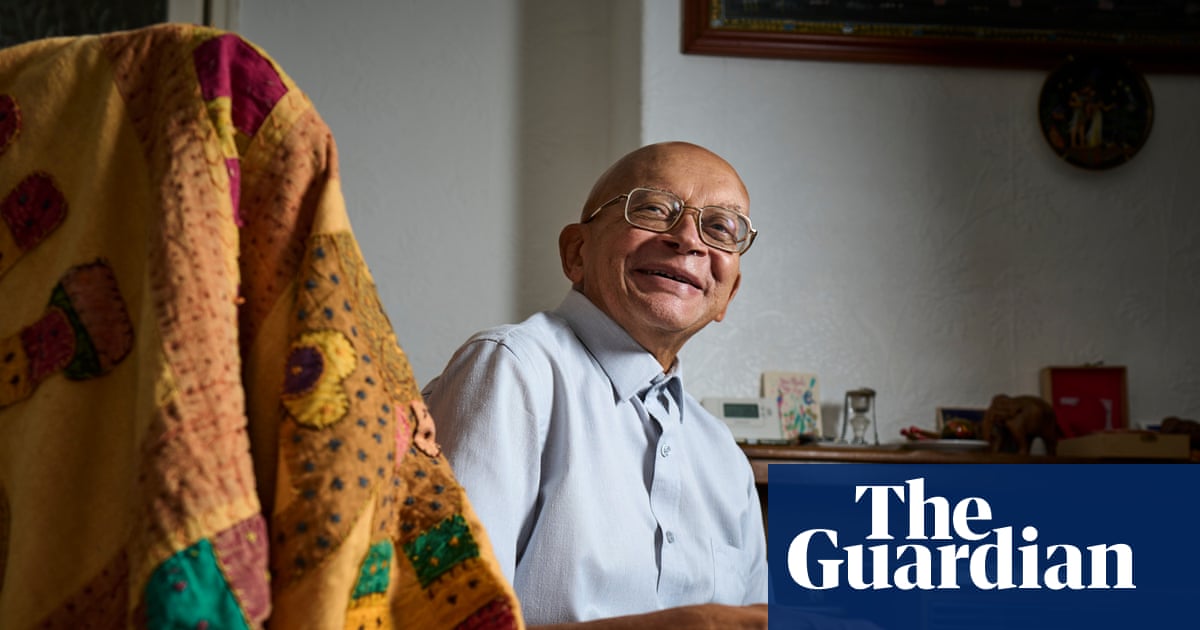
Phil Frampton was born in an Anglican institution in 1953 because his parents had been in a mixed heritage relationship. Photograph: Christopher Thomond/The GuardianView image in fullscreenPhil Frampton was born in an Anglican institution in 1953 because his parents had been in a mixed heritage relationship. Photograph: Christopher Thomond/The GuardianChurch of England expected to formally apologise for its role in forced adoptionsSurvivors of UK’s mother and baby home scandal welcome news after long campaign for recognition
The Church of England is expected to make a formal apology for its role in forced adoptions and the UK’s mother and baby home scandal.
Survivors of the scandal – in which hundreds of thousands of children were forcibly separated from their mothers – have welcomed the news after years of campaigning for recognition.
The church ran and was linked to scores of institutions across the country where unmarried pregnant women were sent to have babies in secret in the postwar era before the infants were handed over to married couples, who in some cases had made donations to “moral welfare” organisations involved.
Anglican mother and baby homes were part of a network of properties nationwide, including homes run by the Catholic church and the Salvation Army, which worked alongside statutory agencies. Women and children faced abuse and neglect in the system, but the Westminster government has never formally apologised for its role.
The BBC reports that an “early draft” of an apology from the Church of England said: “We acknowledge the lifelong impact of these experiences and the part the church played in a system shaped by attitudes and behaviours that we now recognise as harmful. For the pain and trauma experienced – and still carried – by many women and children in church-affiliated mother and baby homes, we are deeply sorry”.
A 2021 parliamentary inquiry found there were 185,000 adoptions involving unmarried mothers in England and Wales between 1949 and 1973 alone and that the state was ultimately responsible for the suffering caused by public institutions and employees involved.
Because the last mother and baby homes closed in the late 1980s and records are incomplete, campaigners say many more people were affected.
Phil Frampton, a writer and campaigner from Manchester, was born in an Anglican institution in 1953 because his parents had been in a mixed heritage relationship. His Nigerian father, a mining engineering researcher, was removed from the country after it became known, while his white British mother, a grammar school teacher from Birmingham, was sent to the Rosemundy mother and baby home in St Agnes, Cornwall.
Frampton said: “A lot of survivors will be delighted. What’s coming is a big victory after all the campaigning people have done over the last 20 years – providing that the wording is not mealy-mouthed and designed to protect the church. It will not be good enough for the church to say they were guided by the morality of they time – they were supposed to set the morality of the time and they did that by their actions.
“The church and state were the principal supporters of forced adoptions and they should be compensating all the survivors for the hell they put them through. If the church is fully open on this, under the new archbishop of Canterbury, then this is part of the pressure on the UK government to apologise. The UK is way behind in making an apology and providing access to records for survivors to find their children and parents, to bring closure and new beginnings.”
Research by Dr Michael Lambert of Lancaster University has indicated the use of the lactation-suppressing drug diethylstilbestrol, which has been linked to an increased risk of cancers, in some unmarried mothers’ homes, while an ITV investigation has revealed unmarked graves across England contain the bodies of babies who did not survive.
Giving evidence to the education select committee last month, the children and families minister, Josh MacAlister, acknowledged that the UK state “had a role” in historical forced adoptions and said the case for a formal apology was “being actively considered”.
The governments of Ireland, Scotland and Wales have all previously issued apologies, as have the Salvation Army and the head of the Catholic church in England and Wales.