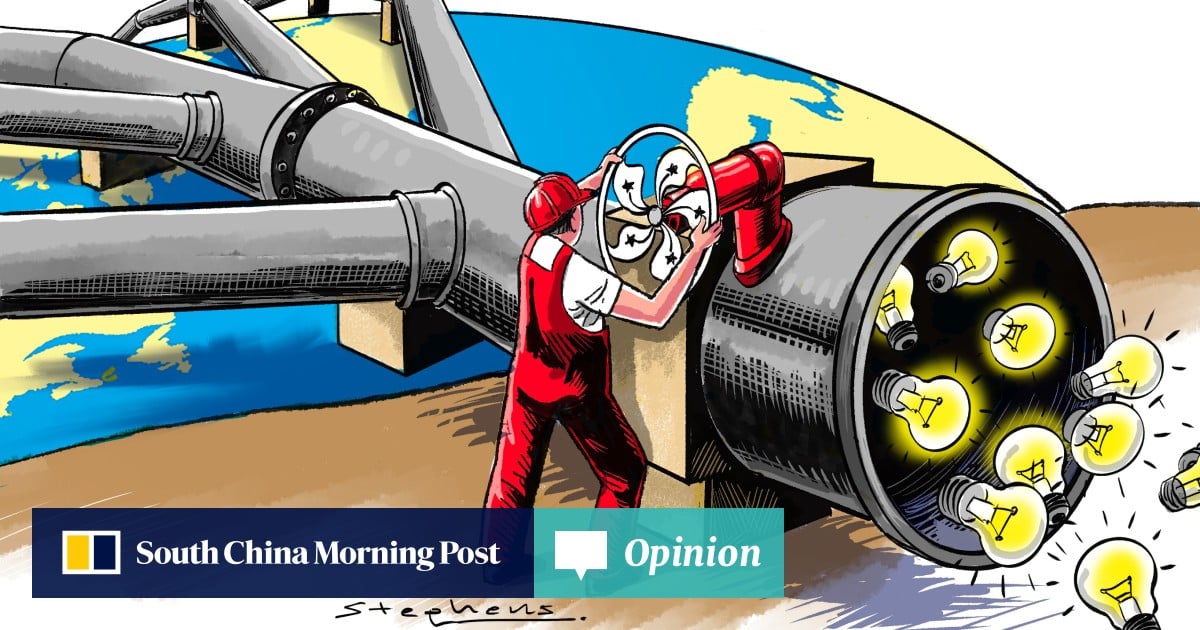
To sharpen its competitive edge, the city must look beyond traditional borders to widen its narrowing talent pipeline
3-MIN READ3-MINMatteo GiovanniniPublished: 9:30am, 9 Apr 2026Hong Kong’s identity as a world-leading international hub has never been static. It has been built over time through openness, adaptability and, crucially, diversity. Recent discussions about the city’s talent strategy, including concerns that the overwhelming majority of applicants under key admission schemes come from mainland China, raise a deeper structural question: can Hong Kong remain truly global if its talent pipeline becomes increasingly concentrated?This is not about downplaying the importance of mainland talent, which will remain central to Hong Kong’s development and integration within the Greater Bay Area. Rather, it is about balance. Diversity in talent is not a cosmetic feature of global cities but a core economic and strategic asset. Without it, Hong Kong risks weakening some of the very foundations that have underpinned its success.First, a narrowing talent pipeline could erode Hong Kong’s role as a superconnector. For decades, the city has thrived as an intermediary between China and the rest of the world, leveraging its bilingual environment, common law system and cosmopolitan workforce to bridge different markets, cultures and regulatory frameworks.AdvertisementThis role is becoming even more valuable as geopolitical fragmentation intensifies and trust between major economies becomes more fragile. Yet it is also becoming more demanding. Cross-border business today requires not only technical expertise, but also cultural literacy, global networks and the ability to navigate different institutional contexts.
If Hong Kong’s workforce becomes less internationally diverse, its ability to perform this bridging function may gradually diminish, as the informal networks and global mindsets that sustain it become thinner over time.