Zelenskyy met European leaders on Friday in Brussels. Photograph: Pier Marco Tacca/Getty ImagesView image in fullscreenZelenskyy met European leaders on Friday in Brussels. Photograph: Pier Marco Tacca/Getty ImagesStarlink access still not fully restored for Ukraine’s military, says ZelenskyyUkrainian president says US limiting access was a ‘dangerous and unpleasant surprise’, amid reports the order came from inside White House
Volodymyr Zelenskyy has said the Ukrainian military’s access to the Starlink satellite internet service has not yet been fully restored, as media reports suggested the order to throttle the service had come from within the White House.
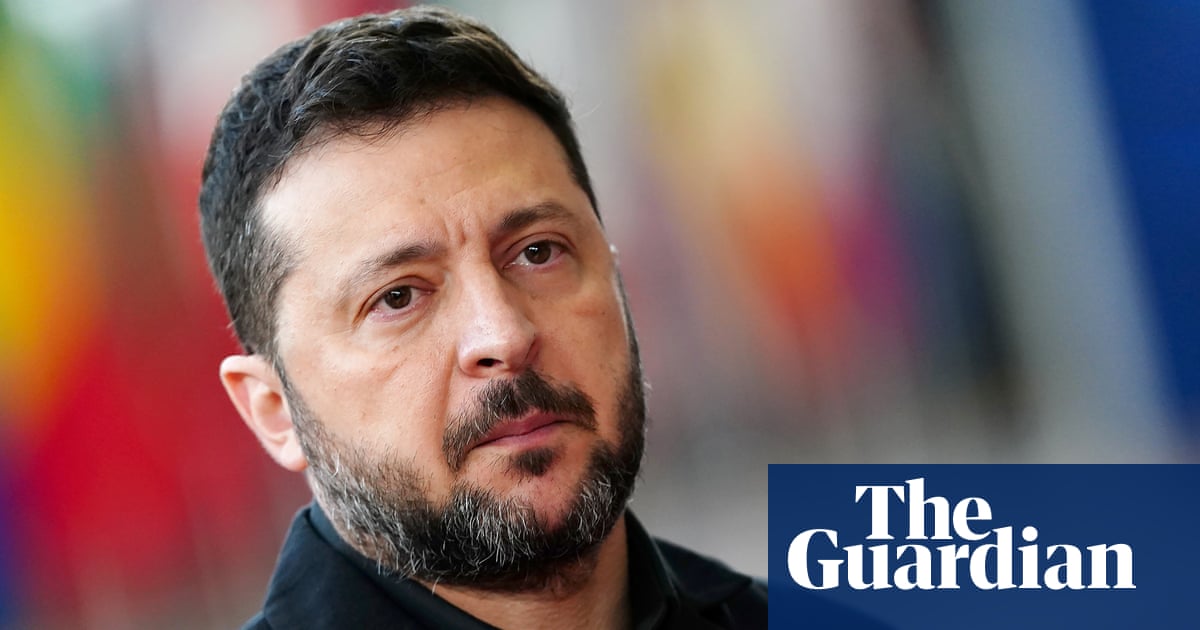
Zelenskyy met European leaders on Friday in Brussels, where he asked the EU for another €70bn next year to fund Ukraine’s defence against Russia.
The meeting offered an important opportunity for Zelenskyy and Europe to align their strategies, as Zelenskyy once again found himself embroiled in a major quarrel with the US president, Donald Trump.
Read moreHours earlier, Trump had called Ukraine’s renewed strikes on Russian oil refineries “a disgrace” and criticised Zelenskyy, after an purported “energy ceasefire” between Russia and Ukraine failed to take hold.
“All he’s doing is making the world oil price higher,” Trump told the Newsmax television channel. “Well, I think that’s a disgrace.”
Energy analysts told the BBC that the US-Israeli war on Iran was having the biggest impact on diesel export volumes, although the Ukraine war was also significant.
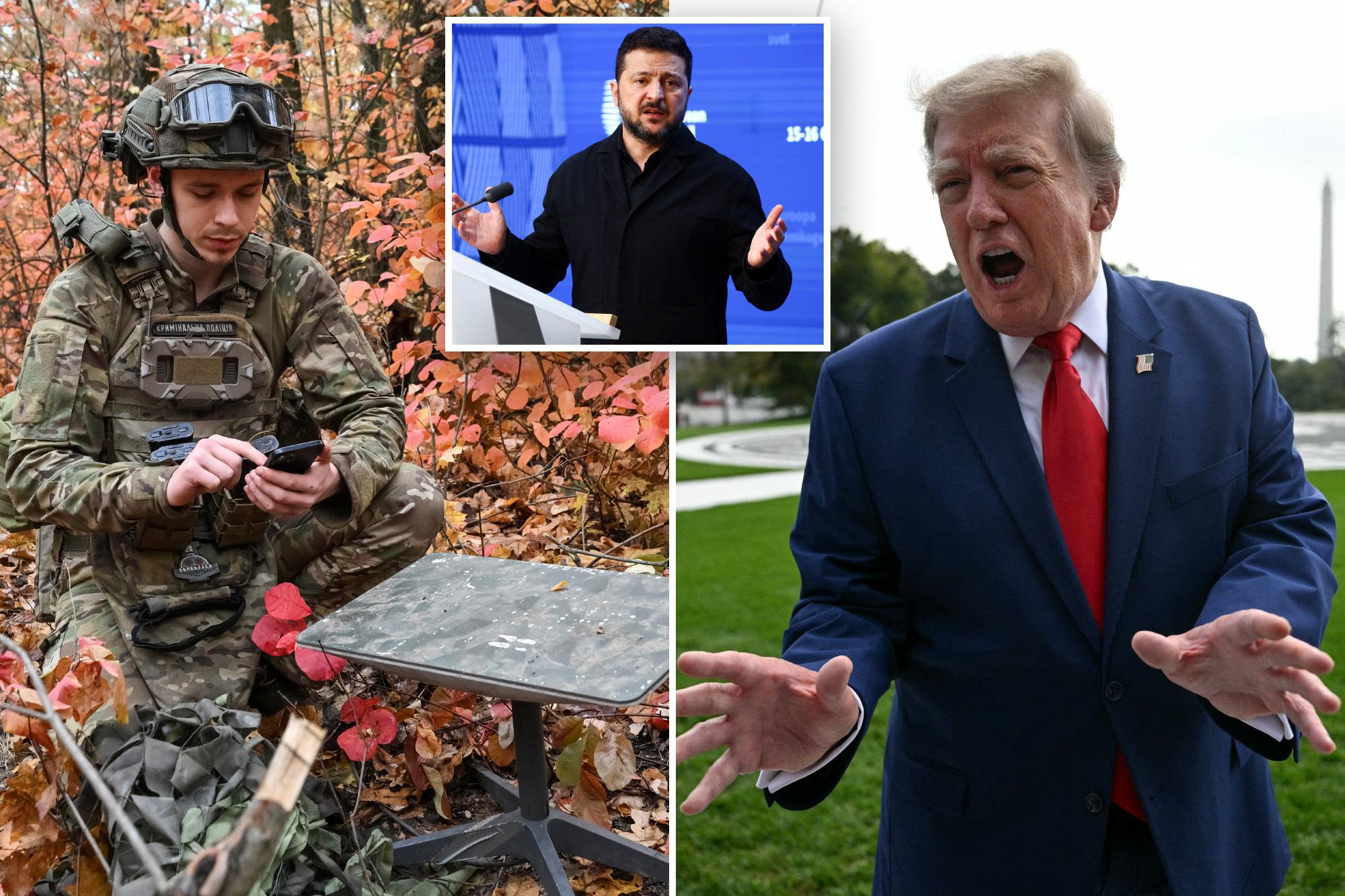
Trump’s administration is suspected of withholding intelligence from Ukraine on incoming Russian ballistic missile strikes, and of throttling Starshield, the military version of the Starlink satellite internet network, to prevent it from being used on drones flying above 100mph. Neither has officially been confirmed.
View image in fullscreenFirefighters working at the scene of a Russian drone strike in a residential area in Kyiv on Thursday. Photograph: Vincenzo Circosta/Anadolu/Getty ImagesSpeaking after meeting EU leaders on Friday, Zelenskyy said that Starshield had not yet returned to normal.
“Our defence ministry is in touch and my partners, they told me that there were signals from the White House that they would return these capabilities,” Zelenskyy said. “Have they returned to the previous speed limits? No. But is it coming back now? Yes.”
Reuters on Friday reported that the order to throttle Starshield had come from inside the White House, according to two US officials and a western official briefed on the matter. They did not identify the White House official who had made the decision, but said the Pentagon had been informed that the SpaceX Starshield service for the Ukrainian military had to be slowed.
Zelenskyy called it a “very dangerous and unpleasant surprise” that speeds had been reduced on Starlink, which Ukraine uses to support its most effective air defence systems against Russian jet-powered drones.
Starlink is produced by Elon Musk’s SpaceX, but controlled by the US government.
When Zelenskyy arrived for talks with EU leaders, he was applauded by the heads of state and government of the bloc’s 27 countries. Zelenskyy later said he had heard “only support”, when asked about reports that European leaders had asked him to dial down his criticism of Trump.
View image in fullscreenZelenskyy with the presidents of the European Council, Antonio Costa (left) and the European Commission, Ursula von der Leyen (right) on Friday. Photograph: Pier Marco Tacca/Getty ImagesAccording to a transcript of his remarks, he told EU leaders that the war would cost €155bn in 2027. “And we need at least €70 bn more from you – for defence, for weapons, and for our resilience,” he said. “This is a realistic amount.”
The EU is currently giving Ukraine regular payments from a €90bn funding plan agreed last December that was intended to cover two-thirds of Kyiv’s civilian and military needs for 2026-27. The remaining third was to be filled by other “international partners”, such as the UK, Canada, Norway and Japan.
The realisation that Kyiv again risks a financial crunch has put Russia’s €210bn assets frozen inside the EU back on the table. The EU takes the profits from those assets to support Ukraine, but last year decided against using the funds themselves, instead opting for an EU-backed €90bn loan.
Belgium, which hosts the vast majority of the Russian funds, remains strongly opposed to using the frozen assets, fearing it will be left to carry the financial burden if the plan goes wrong. But Zelenskyy said there could be an alternative.
“We need something like a special EU-controlled custodian to reduce the risk of them being unfrozen and divided up among those who clearly do not want what is best for Europe or an end to this war,” he said.
The European Commission, a strong backer of last year’s rejected frozen assets plan, has been reluctant to propose new variants – such as an EU-controlled custodian – because it fears running into same opposition from Belgium and other sceptical member states.
Before the summit, Belgium’s prime minister, Bart De Wever, said Zelenskyy would “probably look everybody straight in the eye and say: thank you for the €90bn, but that money is going to run out because a war is a very costly thing”.
The European Commission president, Ursula von der Leyen, said the EU had supported Trump’s energy ceasefire, “but we have seen that Russia did not respect it, not a single minute” and instead had escalated its attacks. She said the EU intended to increase pressure on Russia, promising a 22nd round of sanctions and adding: “We will not lift any sanctions unless Russia stops the war.”