Tesla Gets Competition From Nvidia In Self Driving Cars Douglas A. McIntyre Fri, October 16, 2026 at 11:19 AM EDT 3 min read TSLA -0.84% NVDA +0.07% VOLV-B.ST +1.78% MBG.DE +3.02% 005380.KS +5.58% Explore stocks on Coinbase Trading disclosure Trading disclosure The above button links to Coinbase. Yahoo Finance is not a broker-dealer or investment adviser and does not offer securities or cryptocurrencies for sale or facilitate trading. Coinbase pays us for certain activity generated through this link. Prices displayed are informational.
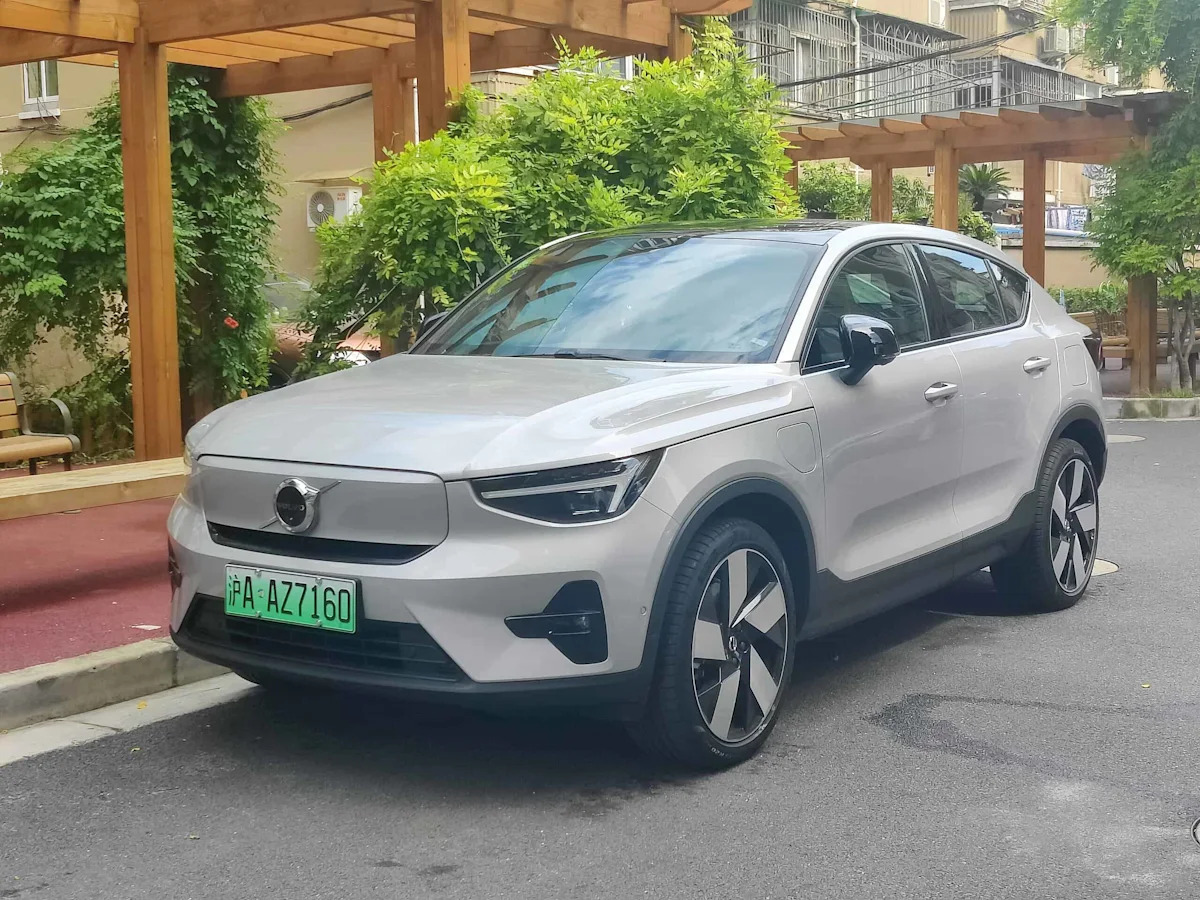
Nvidia (NASDAQ: NVDA) announced a deal with Volvo yesterday. Volvo is far from one of the world's largest car companies. However, Zhejiang Geely Holding Group, which owns it, is a player in the Chinese car sector—the world's largest car market by far. The Nvidia product sounds and looks a lot like Tesla's (NASDAQ: TSLA) self-driving feature. Tesla is working hard to roll out the product and hopes to gain approval in several countries soon.
New Volvos will have what it calls "eyes-off and mind-off." InsideEVs reports, "By using Nvidia's Hyperion platform, which includes custom high-powered chips and a full suite of sensors mounted around the vehicle, Volvo says its new point-to-point system will offer Level 2++ functionality." The technology is also part of partnerships with Mercedes and Hyundai. Tesla has the equivalent of Level 2++ in its "Full Self-Driving (Supervised)" product. Nvidia's product equals that. Volvo's product launches in three years, which puts it at a disadvantage.
Of course, Tesla's technology only works on a Tesla. Nvidia can eventually claim the advantage of partnerships that could extend to many manufacturers. To some extent, Tesla's brand power will be needed to win over customers.
Tesla has a growing number of self-driving competitors, which makes it less likely it can own a large part of the market share across the industry. The primary rival is Google's Waymo, which is on the road in both the US and Europe. It can claim a lead in terms of testing footprint.
The winners of the self-driving race will win for two reasons. One is the strength of technology. The other is regulatory approval. Depending on the geography, approval can happen at the national, state, or city level. Products are not considered "safe enough" today to operate without human supervision. Meanwhile, it is not good news for Tesla that Nvidia is winning over more car company partners.
Many successful investors eventually reach the same moment. The saving is done, the portfolio is built, and the question quietly changes from how much can I grow this to how much can I take out? Get that second question wrong and decades of good investing can come apart in a handful of years.
That is exactly what The Definitive Guide to Retirement Income helps answer. It covers what your retirement could actually cost, which income sources are worth using, and the withdrawal math that decides whether the money lasts. It is free today from Fisher Investments. Read More Here ›
(Sponsor) Most people spend their entire working lives focusing on one thing: growing a pile of money. Then they retire and discover the skill they actually need is close to the opposite. Turning that pile into steady income, year after year, through good markets and bad, without ever running out.
It may be the least discussed and most consequential transition in personal finance, and plenty of otherwise careful investors walk into it with no real plan. That is exactly what The Definitive Guide to Retirement Income helps answer. It is a free guide from Fisher Investments covering what your retirement will really cost, where the cash flow should come from, and how much you can safely withdraw each year. Learn more here. Learn More Here ›
Contact editorial@247wallst.com for any questions or corrections.