The US, Israel and Iran have agreed to cease hostilities for two weeks after Islamabad mediated a temporary truce. The deal is a major achievement for Pakistan, but what comes next is likely to be even more complicated.
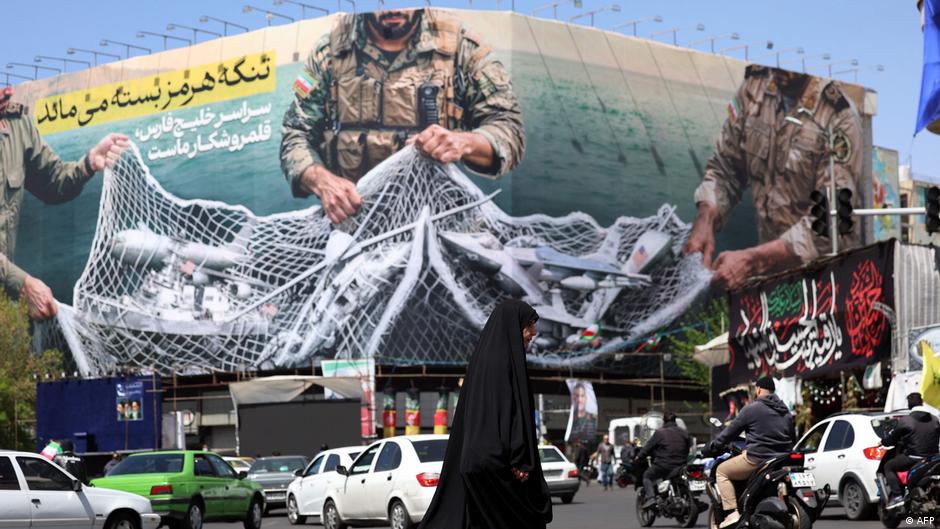
https://p.dw.com/p/5Bqx0The closing of the Hormuz Strait is just one of major diplomatic issues separating Iran and the USImage: AFPAdvertisementIslamabad is being praised for convincing Washington and Tehran to stop the war and give mediation a chance for the next two weeks.
On Tuesday, US President Donald Trump announced that he received a ceasefire proposal from Pakistani Prime Minister Shehbaz Sharif, and that he "[agreed] to suspend the bombing and attack of Iran for a period of two weeks, "subject to the Islamic Republic of Iran agreeing to the COMPLETE, IMMEDIATE, and SAFE OPENING of the Strait of Hormuz."
Trump's message on social media came just hours before a deadline he himself had set, while threatening the Iranians with the death of "a whole civilization."
"Pakistan enabled the ceasefire by positioning itself as a credible and trusted intermediary at a moment of acute escalation," Raja Qaiser Ahmed, an international relations expert at Islamabad's Quaid-e-Azam University, told DW. "It activated backchannel diplomacy, conveyed assurances to both Washington and Tehran, and helped align immediate interests around de-escalation."
Pakistan's Prime Minister Sharif and army chief Asim Munir have maintained cordial ties with Trump since last May, when Islamabad and New Delhi engaged in a brief but deadly military escalation. The US leader later took credit for "ending" the war."
Pakistan has complex, albeit friendly ties with the Iranian regime as well.
"The Pakistani leadership leveraged established security and diplomatic channels with the United States while maintaining functional engagement with Iran, allowing it to translate broad intent into a workable pause. The key contribution was not coercion but coordination — structuring a mutually acceptable first step that reduced risk and created space for dialogue," Ahmed added.
Temporary ceasefire would effectively mean Iranian surrenderTo view this video please enable JavaScript, and consider upgrading to a web browser that supports HTML5 video
Elizabeth Threlkeld, South Asia director at the Washington-based Stimson Center, told DW that Islamabad "will look to maintain momentum in negotiations and lock in a more durable agreement between the US and Iran before this window of opportunity closes."
"Even getting to a ceasefire is a remarkable achievement for Islamabad, and its leaders will continue their intense engagement with both sides and key partners to move the talks along and minimize the risks of spoiler actions," she added.
Although it is unclear whether the ceasefire will hold, the Pakistani prime minister is optimistic. Sharif confirmed that his government has invited US and Iranian delegations to Islamabad on Friday to "further negotiate for a conclusive agreement to settle all disputes."
But forging a path to a negotiated settlement between the US, Israel and Iran could be easier said than done.
"The negotiations will not be easy for Islamabad, but the ceasefire is a positive first step. We will see how long the ceasefire will hold," Zahid Hussain, a political analyst, told DW.
"Questions remain about how serious Iran and the US are in pursuing a lasting peace. Tehran is mistrusfull of Washington, and President Trump is facing mounting pressure to end the war amid criticism that Washington may have miscalculated its strategy. In addition to domestic challenges, he is also dealing with concerns raised by Western allies," stressed Hussain, adding that Israel has "reluctantly accepted the ceasefire while continuing operations in Lebanon."
"It remains uncertain whether the US will be able to restrain Israel and ensure that the ceasefire leads to broader regional stability," Hussain underlined.
Trump said that Iran had submitted a ten-point proposal that he believed was "a workable basis on which to negotiate." The US leader also claimed that agreement had already been reached on "almost all of the various points of past contention," but he didn't elaborate on it.
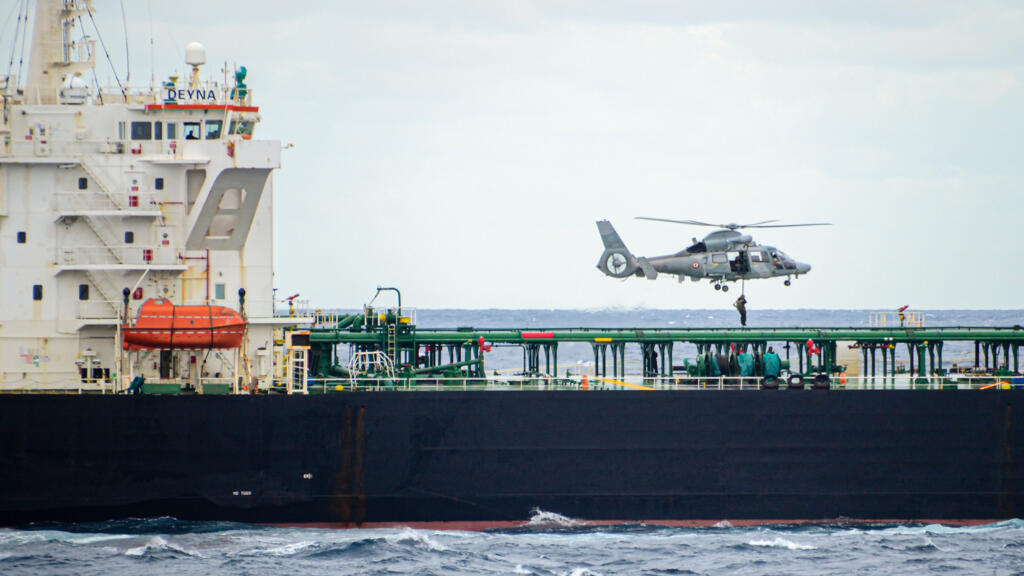
The success of the ceasefire — both short- and long-term — depends primarily on the opening of the Hormuz Strait, which the hardline Iranian regime had shut down after the US and Israel began striking its military and leadership targets on February 28.
Trump vows to hit more Iranian infrastructureTo view this video please enable JavaScript, and consider upgrading to a web browser that supports HTML5 video
Iran's Foreign Minister Abbas Araghchi says the passage through the Strait of Hormuz will be allowed under the supervision of the Iranian army, while Trump says the US will help with the buildup of shipping traffic in the Strait of Hormuz.
There are likely to be several other sticking points for any talks between US and Iranian delegates. One of these would be Iran's nuclear program and its enriched uranium stockpile that Trump said must be scrapped.
"These would be very tough negotiations," Ali K. Chishti, a Riyad-based security analyst, told DW. "The talks would also take into account Iran's economic issues and [a promise for] some sort of waivers for Tehran in exchange for a joint security of the Strait of Hormuz."
Chishti said that Islamabad was also working on a "separate plan for an Iran-Gulf states agreement" to ensure that Tehran won't attack its neighbors in the future. He, however, does not see Saudi Arabia and the Gulf states getting directly involved in the conflict should Iran backs out of the ceasefire agreement. "There is an understanding in Riyadh regarding the cost-and-benefit scenario. Joining the campaign against Iran would be more destructive for Saudis," he added.
International relations expert Ahmed is of the view that even if Iran falls short on commitments, Pakistan is likely to still retain space to encourage restraint and facilitate renewed dialogue. "That said, its effectiveness depends on the willingness of both sides to engage in good faith. If violations become sustained, Pakistan's leverage naturally narrows, yet it can still serve as one of the few credible actors capable of reopening communication and preventing a slide into wider conflict."
Iran war: Israeli strike kills IRGC intelligence chief To view this video please enable JavaScript, and consider upgrading to a web browser that supports HTML5 video
Additional reporting by Haroon Janjua, DW reporter in Islamabad.