GOOG +0.37% TSLA -1.29% AMZN +0.27% UBER +2.86% NVDA -1.84% Explore stocks on Coinbase Trading disclosure Trading disclosure The above button links to Coinbase. Yahoo Finance is not a broker-dealer or investment adviser and does not offer securities or cryptocurrencies for sale or facilitate trading. Coinbase pays us for certain activity generated through this link. Prices displayed are informational.
Tesla (NASDAQ: TSLA), Alphabet's (NASDAQ: GOOG)(NASDAQ: GOOGL) Waymo, and Amazon's (NASDAQ: AMZN) Zoox already operate robotaxis in the U.S., and Chinese operators continue to expand their fleets as the global rollout spreads. Their growth intensifies a critical debate about the future of transportation, which every investor needs to have an opinion on before buying auto-related stocks.
The future of mobility is autonomy, but it's how that autonomy integrates within transportation that really counts in this debate. On one side are the companies that own the rider via their robotaxis, including Tesla, Amazon, Alphabet, and Uber Technologies (NYSE: UBER), which is building out an autonomous vehicle network in partnership with automakers.
Missed AI's "Act 1"? Act 2 Could Be 14x Bigger. Most investors think they missed the AI boat because they didn't buy Nvidia in 2005. But according to our analysts, we're only at the end of "Act 1"—the R&D phase. "Act 2" is the global rollout. Continue »
On the other hand, traditional automakers like Ford Motor Company (NYSE: F) and General Motors (NYSE: GM) abandoned robotaxi development after investing billions. Yet, both continue to work on autonomous driving. They are automakers focused on selling cars, and ultimately, cars with autonomous capability.
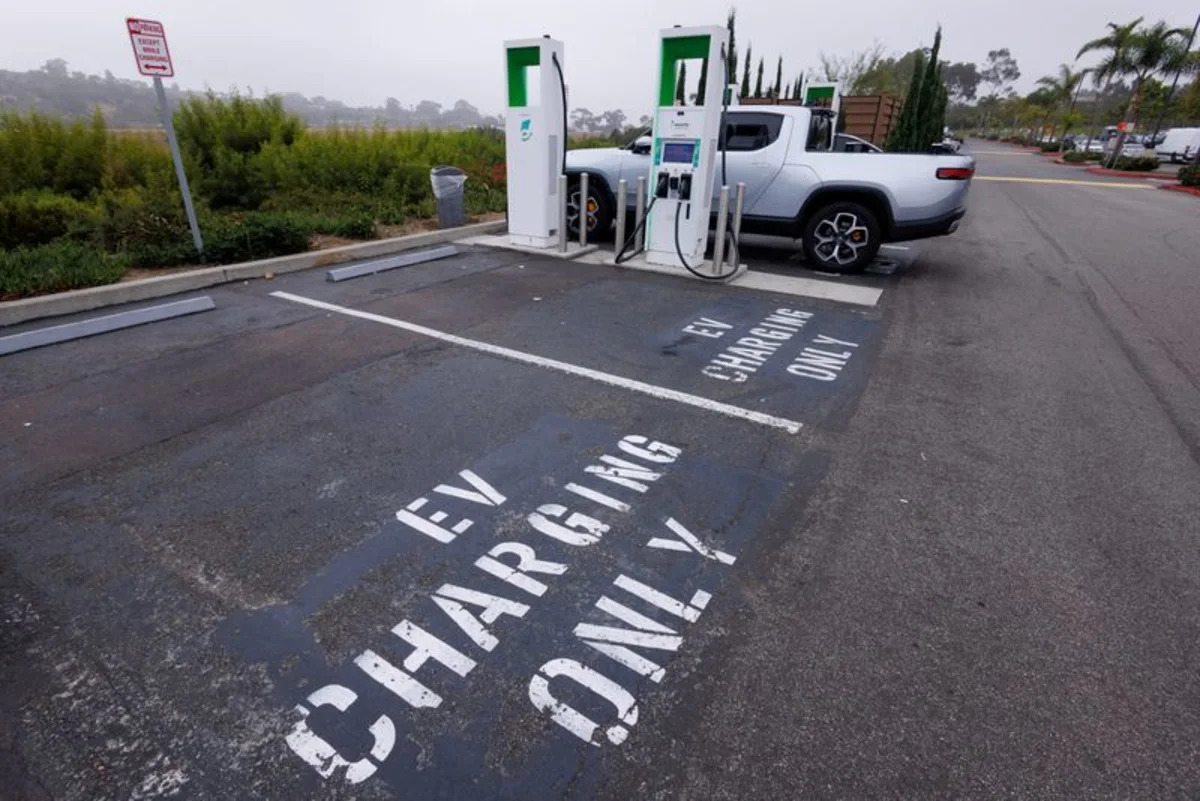
There's yet another group in all of this, which includes China's BYD (OTC: BYDDY) and Rivian (NASDAQ: RIVN), which are developing robotaxis but partnering with Uber to allow the latter to build out the network.
The groups can be defined as transportation-as-a-service (TaaS) companies (Tesla, Waymo, and Zoox), automakers with autonomy (Ford and GM), and aggregators (Rivian and BYD), with Uber as a platform owner.
The argument centers on the role of electric vehicles (EVs) and their deployment as robotaxis. Although EVs tend to be more expensive up front than traditional internal combustion engine (ICE) cars, they offer a significant cost-per-mile advantage. As such, the optimal use of an EV is as an autonomous robotaxi operating continuously to maximize its cost-benefit.
Consequently, TaaS company leaders, like Tesla Chief Executive Officer Elon Musk, don't believe that robotaxis are an optional extra to an EV business; instead, they see it as the core business. That's why Musk argued on an earnings call in January that "we would make several times more Cybercabs per year than all of our other vehicles combined."
That approach differs from the strategy taken by Ford and GM. GM CEO Mary Barra recently outlined in a CNBC interview that GM wanted to serve the market for personal autonomy, meaning drivers owning the vehicle and using autonomous technology when they want it.
A cynic would argue that Ford and GM might take this approach because they failed to develop robotaxis or develop a foothold in the EV market despite massive investment. Note that Ford CEO Jim Farley told investors in April 2018 that Ford would own and operate a robotaxi network by 2021.
Still, whether it's by design or necessity, selling cars, probably with autonomy in the future, is the approach that Ford and GM are taking. Given the history of personal ownership of transportation, there will likely be a market for them. Whether they develop EVs to capitalize on the shift toward electrification is another question.
For Tesla bulls, the company's camera-only approach, EV leadership, manufacturing scale, low-cost dedicated robotaxi Cybercab, its enormous accumulation of full self-driving (FSD) data, and its vertically integrated model (which lowers risk of supply chain disruption) create huge structural advantages.
Alphabet (Waymo) and Amazon (Zoox) bulls hope that technological costs will drop, notably for light detection and ranging (lidar), thereby increasing their competitiveness. Meanwhile, Uber is somewhat agnostic about how its autonomous vehicle partners develop hardware/software. In contrast, its partners can bypass the need to handle complex operational matters around robotaxis by being part of Uber's platform.
Those potential partners, including vehicle developers, are using, say, Nvidia's Alpamayo to develop autonomous driving software.
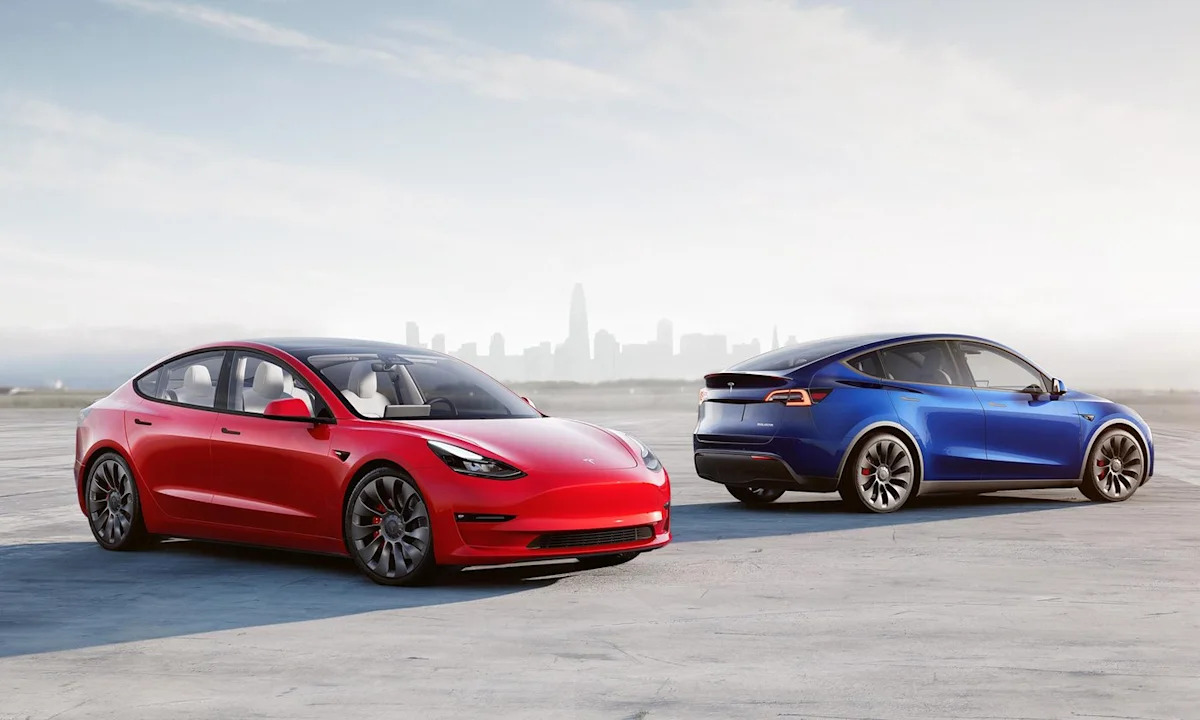
Tesla and BYD, with some caveats. If Tesla does develop its FSD software as planned and receives regulatory approvals, its structural cost advantages, data, and lack of geofencing will likely create a significant moat, giving it a high lifetime cost and cost-per-mile advantage that Waymo, Zoox, and others will find extremely difficult to compete with. Not least because Tesla already has a more than 50% share of the U.S. EV market. In other words, it's already leading in hardware development.
BYD is also a major player in EVs, and its low-cost vehicles could be a force in the international markets. As for the caveat, if it turns out that Mary Barra is right, the failure to develop new models for the EV market while aggressively ramping up Cybercab production could come back to haunt Tesla down the line. Moreover, Tesla stock is clearly priced with the assumption that its robotaxi rollout will work.
The reality is that the outcome will be somewhere between what Tesla and Barra want: Autonomous robotaxis will induce individuals to forgo personal car ownership, given their lower cost profile, while many consumers continue to favor car ownership. The advantage Tesla and BYD have is that they also hold leading positions in the hardware (EVs) that the market is likely to move toward, whereas the others aren't there yet.
The Motley Fool Stock Advisor analyst team just identified what they believe are the 10 best stocks for investors to buy now… and Alphabet wasn't one of them. The 10 stocks that made the cut could produce monster returns in the coming years.
Consider when Netflix made this list on December 17, 2004... if you invested $1,000 at the time of our recommendation, you'd have $380,579!* Or when Nvidia made this list on April 15, 2005... if you invested $1,000 at the time of our recommendation, you'd have $1,359,789!*
Now, it's worth noting Stock Advisor's total average return is 931% — a market-crushing outperformance compared to 212% for the S&P 500. Don't miss the latest top 10 list, available with Stock Advisor, and join an investing community built by individual investors for individual investors.
*Stock Advisor returns as of October 16, 2026.
Lee Samaha has no position in any of the stocks mentioned. The Motley Fool has positions in and recommends Alphabet, Amazon, Nvidia, and Tesla. The Motley Fool recommends BYD Company, General Motors, and Uber Technologies. The Motley Fool has a disclosure policy.
As Robotaxis Spread, Carmakers Must Choose Between Owning the Customer and Selling the Car was originally published by The Motley Fool