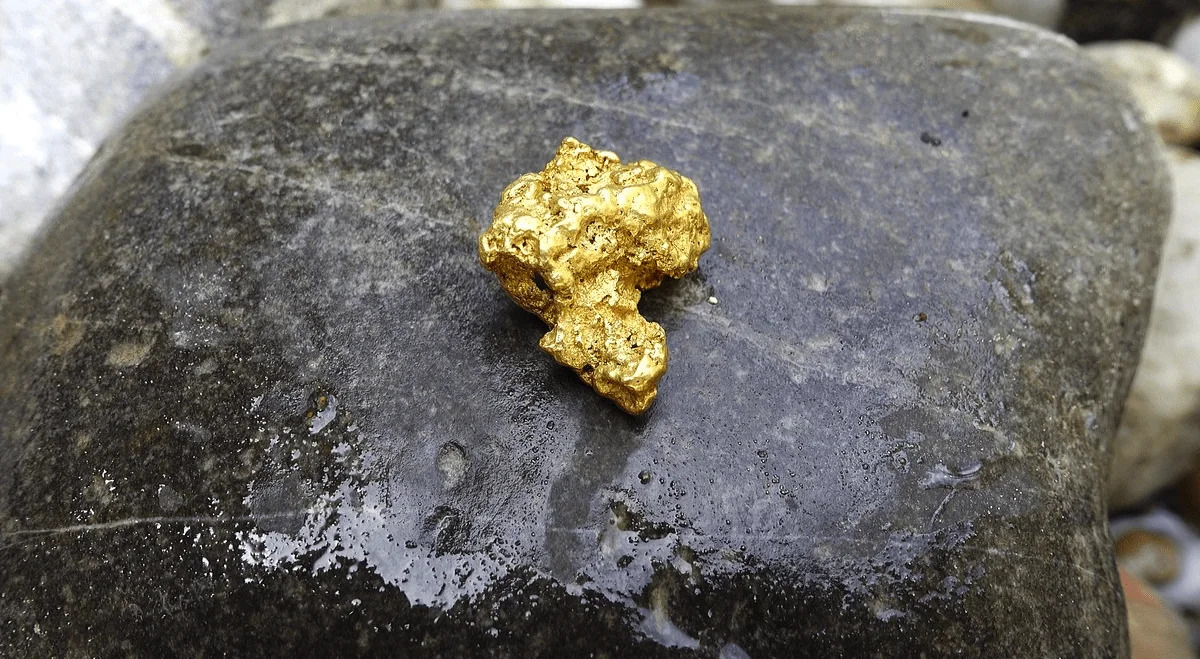
Gold Prices Rise as Lower US Treasury Yields and Weaker Dollar Support Precious Metals Fiona Craig Fri, October 16, 2026 at 5:05 AM EDT 4 min read GC=F +0.68% SI=F +1.52% PL=F +1.58% PA=F +0.49% DX-Y.NYB -0.37% Small gold nugget ©Hans Gold prices edged higher on Friday, 16 October 2026, following a two-week high in the previous session, as declining US Treasury yields and a weaker dollar supported demand for precious metals amid concerns about artificial intelligence investment and financial market volatility.
At 00:49 ET (04:49 GMT), spot gold increased by 0.1% to $4,174.76 per ounce, while US gold futures rose 0.6% to $4,195.87.
Other precious metals also advanced. Silver gained 0.6% to $57.7855 per ounce, platinum increased by 0.6% to $1,640.78, and palladium climbed 0.9% to $1,143.00.
The US Dollar Index declined by 0.2% to 101.9, providing additional support for dollar-denominated commodities.
Gold had gained 1.6% during Thursday's session, recording its largest daily increase in more than two weeks.
The advance followed a period of selling pressure on global equities, particularly technology companies associated with artificial intelligence.
Concerns about the scale of investment in AI infrastructure and the potential returns from those expenditures contributed to a reduction in investors' appetite for risk.
As equity markets weakened, investors increased their allocations to government bonds, pushing US Treasury yields lower.
Yields declined by as much as 12 to 15 basis points across different maturities of US government debt.
The reduction in yields helped support gold prices because the metal does not generate interest income and can become relatively more attractive when returns on interest-bearing securities decline.
Although pressure on equity markets showed signs of easing on Friday, the recent decline in bond yields continued to influence precious metals trading.
The US Dollar Index fell 0.2% to 101.9 during early Friday trading.
A weaker dollar can support demand for gold by making the metal less expensive for buyers using other currencies.
The currency movement coincided with gains across several precious metals, including silver, platinum and palladium.
Spot gold traded at $4,174.76 per ounce, while US futures reached $4,195.87.
Silver rose to $57.7855 per ounce, platinum advanced to $1,640.78 and palladium increased to $1,143.00.
The broad increase across precious metals occurred despite continued uncertainty surrounding US monetary policy and borrowing costs.
Despite its recent recovery, gold remained approximately 20% below its value before the outbreak of the US-Iran war in late February, according to the supplied market report.
The decline has occurred during a period of elevated borrowing costs, which have weighed on the relative attractiveness of non-interest-bearing assets.
Higher interest rates can increase the opportunity cost of holding gold compared with bonds and other securities that provide income.
The recent reduction in Treasury yields has offered some relief, although it has not reversed the metal's broader decline.
Geopolitical uncertainty and developments in energy markets also remain relevant to inflation expectations and the outlook for monetary policy.
Gold's recent movements therefore reflect competing influences from financial market volatility, interest rates and currency fluctuations.
Recent US economic data have increased uncertainty surrounding the Federal Reserve's next interest rate decision.
The September consumer price index, released on Wednesday, exceeded market expectations, indicating stronger inflationary pressures than analysts had anticipated.
Producer-price and retail-sales figures published on Thursday provided further information about inflation and consumer spending conditions.
Following these releases, market participants increased their expectations of a possible Federal Reserve interest rate increase in October.
The prospect of higher rates remains a potential constraint on gold prices because tighter monetary policy can support bond yields and increase the opportunity cost of holding bullion.
Investors are consequently monitoring economic indicators and central bank communications for further guidance on the direction of US interest rates.
Attention is turning to remarks scheduled from Federal Reserve Chair Kevin Warsh at an International Monetary Fund meeting in Bangkok.
Warsh is due to speak at 10:30 a.m. local time on Friday, with investors looking for indications of the central bank's monetary policy outlook.
His comments may provide additional information about how policymakers are assessing inflation, economic activity and the possibility of further interest rate adjustments.
The speech follows stronger-than-expected US inflation data and increased market expectations of an October rate increase.
For gold investors, the Federal Reserve's policy direction remains an important consideration because changes in interest rates can affect both Treasury yields and the US dollar.
Gold's recent recovery has been supported by declining US Treasury yields, a weaker dollar and increased demand for government bonds during a period of equity market volatility.
Spot gold rose to $4,174.76 per ounce in early Friday trading, following a 1.6% advance in the previous session.
However, the metal remains under pressure from elevated borrowing costs and expectations that the Federal Reserve could raise interest rates.
Investors will continue to assess US economic data, Treasury yield movements and central bank commentary for indications of the near-term direction of precious metals prices.