About 80,000 ethnic Hungarians live in western Ukraine. Many feel torn between Viktor Orban's anti-Ukrainian campaign and the conflict between the two countries. What does the future hold for this minority?
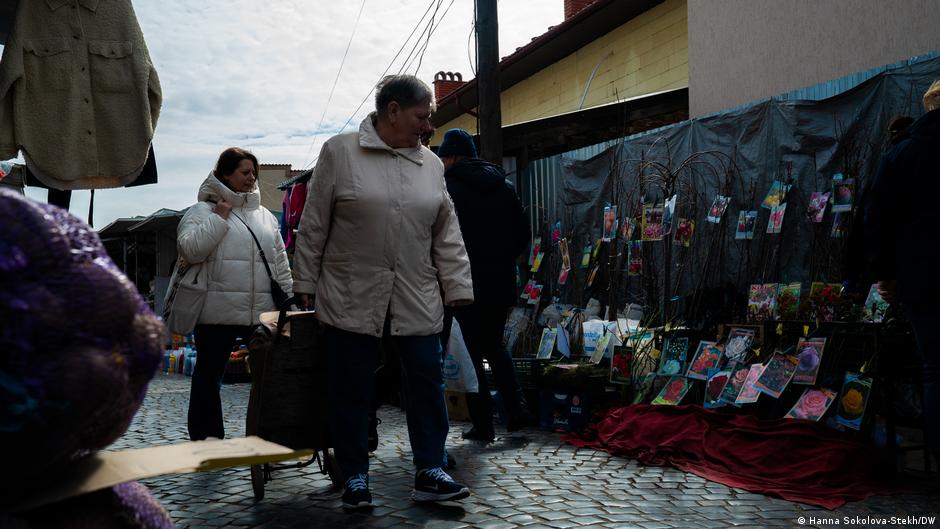
https://p.dw.com/p/5BfrSToday, only about 80,000 Hungarians are thought to remain in the Transcarpathia area in western UkraineImage: Hanna Sokolova-Stekh/DWAdvertisementAt first glance, the Ukrainian village of Velyka Dobron looks completely normal on this bright, sunny spring day, with well-kept homes lining its main street. On closer inspection, however, many of these houses seem abandoned. There is hardly anyone around, and almost no working-age men can be seen.
Velyka Dobron lies in the far west of Ukraine, just 10 kilometers (about 6 miles) from the Hungarian border, and almost everyone here is ethnic Hungarian. The village's Hungarian name is Nagydobrony.
Sandor Rati, 63, stands in front of a local grocery store, chatting with a neighbor. There are deep furrows across his forehead. He owns a carpentry workshop, which he runs all by himself.
"The mood here is pretty bad," Rati told DW. Many villagers have left and live abroad, and he hasn't been able to find any tradespeople to work with him at the workshop.
A few weeks ago, his only son was drafted into the Ukrainian army, Rati said. A serious blow, as Rati depended on the 38-year-old's help for health reasons.
His son is currently undergoing military training. "Hopefully he can serve somewhere near here and doesn't have to go to the front line," Rati said.
When asked about the anti-Ukrainian rhetoric of Hungarian Prime Minister Viktor Orban ahead of the parliamentary election and tensions between both countries, Rati just shook his head. Orban has done a lot for Hungarians in Ukraine, he said.
"But the fact that they're antagonizing Ukraine won't end well for Hungarians living in Ukraine, because they'll be angry with us here."
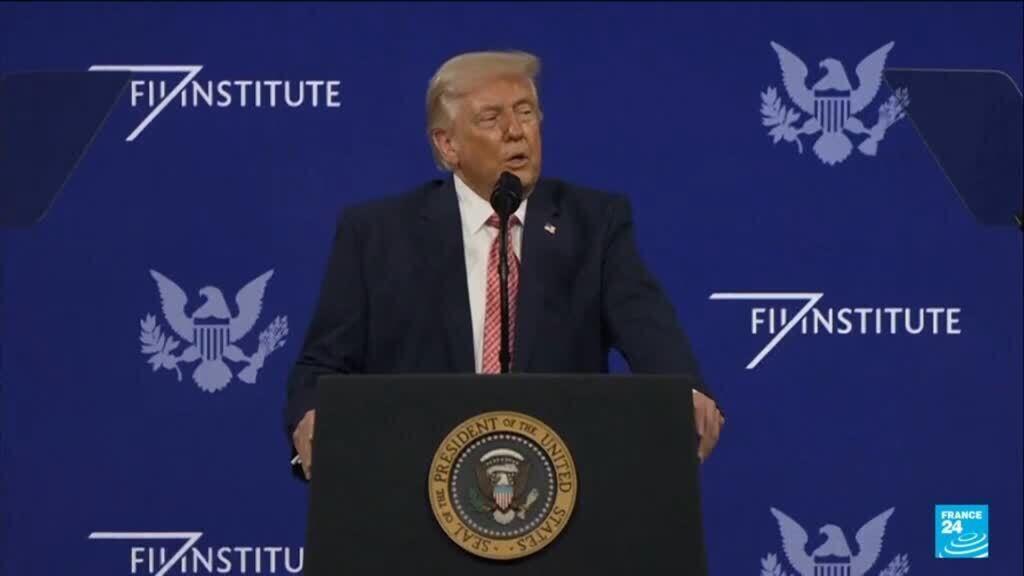
Orban's nationalist, pro-Russian and anti-Ukrainian rhetoric has also zeroed in on Ukraine's multiethnic Transcarpathia region. His government claims Hungarians are being deprived of their minority rights by the Ukrainian state. It is claimed that Ukrainian nationalists carry out attacks on Hungarian facilities, and also said that more ethnic Hungarians are being recruited and sent to the front line than Ukrainians.
Ahead of the Hungarian parliamentary election on April 12, Orban's propaganda apparatus is flooding social media platforms with these and other unsubstantiated accusations.
The reality on the ground, however, is quite different. Hardly anyone in complains about the lack of minority rights. There is no evidence of Ukrainian nationalists attacking the Hungarian minority. And unlike some places in Romania or Serbia, you don't see vandalized bilingual place or street name signs in Ukraine.
That said, many ethnic Hungarians in this part of Ukraine are afraid to speak out. This is very much the case in Velyka Dobron, where most people on the street say they would rather not get caught up in this tense moment, accusing journalists of distorting everything that is being said.
Mayor Ferenc Nagy, on the other hand, is willing to give an interview. He receives guests in his small office in the town hall. A Ukrainian and a Hungarian flag adorn the corner of the room. Dozens of thank you letters from the Ukrainian armed forces and Ukrainian institutions for various relief efforts and donations hang on the wall.
Nagy is a friendly man. The 51-year-old spoke in a low voice as he explained that he did not wish to comment on Orban's politics. He did, however, call comments on Ukraine being a "mafia state" hurtful.
Hungary's Orban deploys AI-made scare ads in close electionTo view this video please enable JavaScript, and consider upgrading to a web browser that supports HTML5 video
"I'm not a criminal," said Nagy. "I don't know any criminals either." He said instead of tarnishing others during an election campaign, those running should focus on results.
The mayor said Ukraine's Hungarian minority does not experience discrimination. He would, however, like to see Ukrainian taught in a way that is tailored more to the needs of non-Ukrainian-speaking children.
During the discussion with Nagy, one soon senses how things have deteriorated in Velyka Dobron. In the past, the village was doing well and people made a good living from farming, the mayor said. But, he added, since the start of the Ukraine war in 2014, everything has gone downhill — especially since February 2022, when Russia launched its full-scale invasion.
"More than 6,000 people used to live here, now there are only 2,000 left. In most cases, the men moved abroad, followed by their wives and children," said Nagy.
The most important thing, he added, is that the war must finally end. Nagy has a son, who has been living and working in Hungary for years. The mayor wants him to come back home to the family. "We were born here, " he said. "This is where our roots are and where our parents' graves lie."
The latest Ukrainian census, conducted in 2001, found that there were some 150,000 ethnic Hungarians living in Transcarpathia, accounting for 12% of the area's total population.
Today, only about 80,000 Hungarians are thought to remain in the area. "Maybe one day we'll just be a folkloristic sight," said Laszlo Zubanics, a historian who chairs the Hungarian Democratic Federation in Ukraine (UMDSZ). While the Ukrainian state strengthened minority education in 2023, the war means more ethnic Hungarians are leaving Transcarpathia, Zubanics told DW.
The UMDSZ is one of two Hungarian political parties in Transcarpathia. It has a pro-European stance, has nothing to do with the Orban government and promotes dialogue with Ukraine's political elite. The other regional party, the Party of Hungarians of Ukraine (KMKSZ), has a national-conservative outlook and maintains close ties with the Hungarian leadership.
For a long time, KMKSZ was the stronger of the two. Yet due to the war and the fact that the last local elections took place almost six years ago, it's difficult to say which of the two parties currently best represents the interests of Hungarians in Transcarpathia.
Talking to locals on the streets, one comes across Orban supporters and critics. That said, few want to discuss politics. What everyone here can agree on, whether they are Ukrainian or Hungarian, is that they want peace.
"Our surveys show that most ethnic Hungarians feel patriotic both as Hungarians and as citizens of Ukraine," said Vitaliy Dyachuk, a political scientist at the Institute for Central European Strategy in Uzhhorod.
He said the Ukrainian state and the Ukrainian public need to do more to ensure that minorities such as the Hungarian community are properly recognized. "For example, there are many Hungarians who fight in the armed forces. Such things should be emphasized."
This article was originally written in Ukrainian.