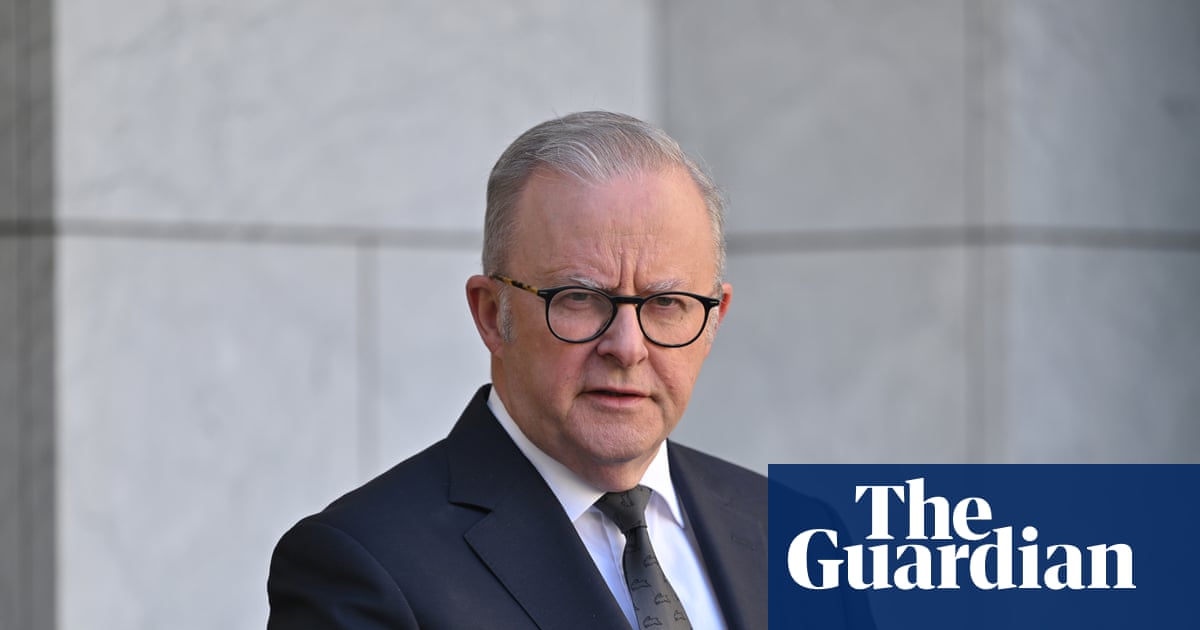
The Australian prime minister, Anthony Albanese, said news of the conditional US-Iran ceasefire was ‘very positive’, as he criticised Trump’s threats. Photograph: Mick Tsikas/AAPView image in fullscreenThe Australian prime minister, Anthony Albanese, said news of the conditional US-Iran ceasefire was ‘very positive’, as he criticised Trump’s threats. Photograph: Mick Tsikas/AAPAnthony Albanese brands Trump’s Iran threats ‘extraordinary’ in rare moment of criticismAustralian PM also welcomes a conditional two-week ceasefire deal that will reopen the strait of Hormuz to global shipping
Follow our Australia news live blog for latest updates
Get our breaking news email, free app or daily news podcast
Anthony Albanese has welcomed a two-week ceasefire deal between the US and Iran that is set to temporarily reopen the strait of Hormuz, as he issued a rare criticism of Donald Trump for threatening a “whole civilization will die”.
Read moreThe prime minister said news of the conditional ceasefire was “very positive” and was hopeful it would lead to the permanent end to a conflict that has sent global fuel prices soaring.
The announcement of the ceasefire agreement on Wednesday (Australian time) was made less than two hours before Trump’s self-imposed deadline for Iran to surrender or face widespread destruction, including the bombing of bridges and power plants.
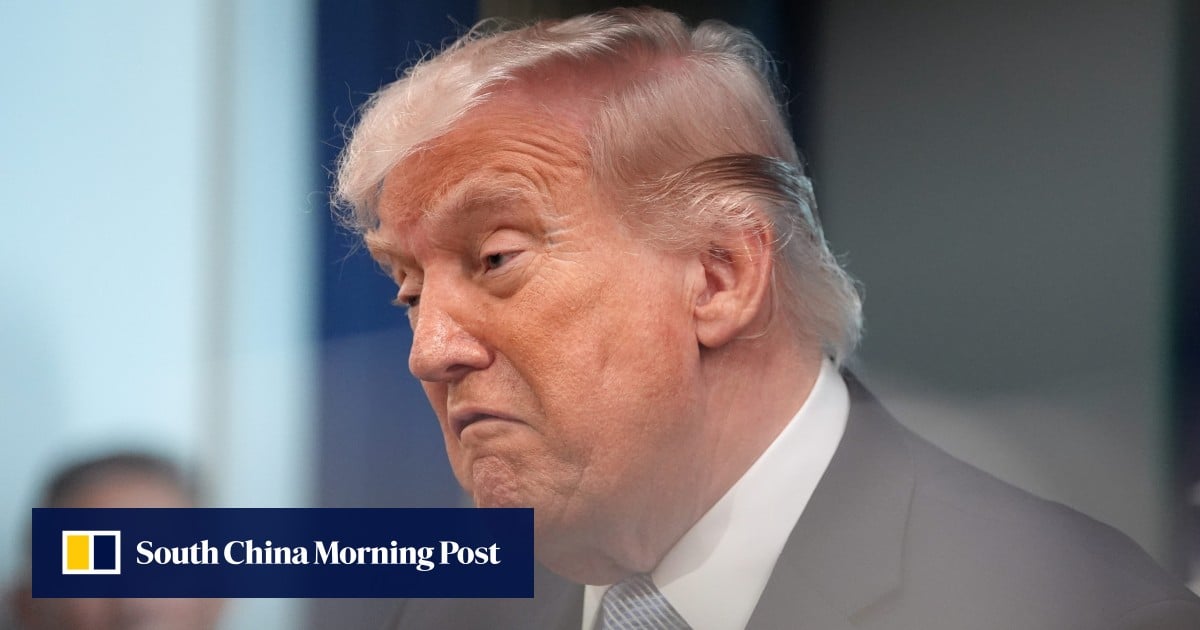
The US president had earlier posted on his Truth Social platform: “A whole civilization will die tonight, never to be brought back again. I don’t want that to happen, but it probably will.”
In an interview with Sky News, Albanese said threatening to destroy civilian infrastructure was an “extraordinary statement to make”.
“I don’t think it’s appropriate to use language such as that from the president of the United States. And I think it will cause some concern, which is there,” the prime minister said.
“We’ve said very clearly that the conduct of any conflict must be within international law and that provides for making sure that civilians – who aren’t parties to the conflict – are given every protection possible.”
Albanese would not be drawn on whether the bombing of civilian infrastructure would constitute a war crime, which is the view of legal experts and officials from numerous countries.
“It’s long step between a tweet and that suggestion. What we have called for is a de-escalation, and that is what has occurred, and that’s a good thing,” he said.
The Nationals leader, Matt Canavan, was earlier urging Albanese to make clear to the US that Australia wouldn’t support Trump’s threat of widespread bombings.
“I think it’s incumbent on us to implore our friends in the United States to de-escalate this and de-escalate it fast. It’s gotten out of hand very quickly,” Canavan told RN Breakfast.
The prime minister has avoided criticising or even weighing into Trump’s increasingly inflammatory language, including on Monday when the president issued an expletive-laden threat in which he demanded Iran “Open the Fuckin’ Strait”of Hormuz.
Albanese has also declined to respond to Trump’s repeated criticisms of Australia for not directly assisting the war effort, although the prime minister has been more forthright in the past week in questioning the objectives of the operation.
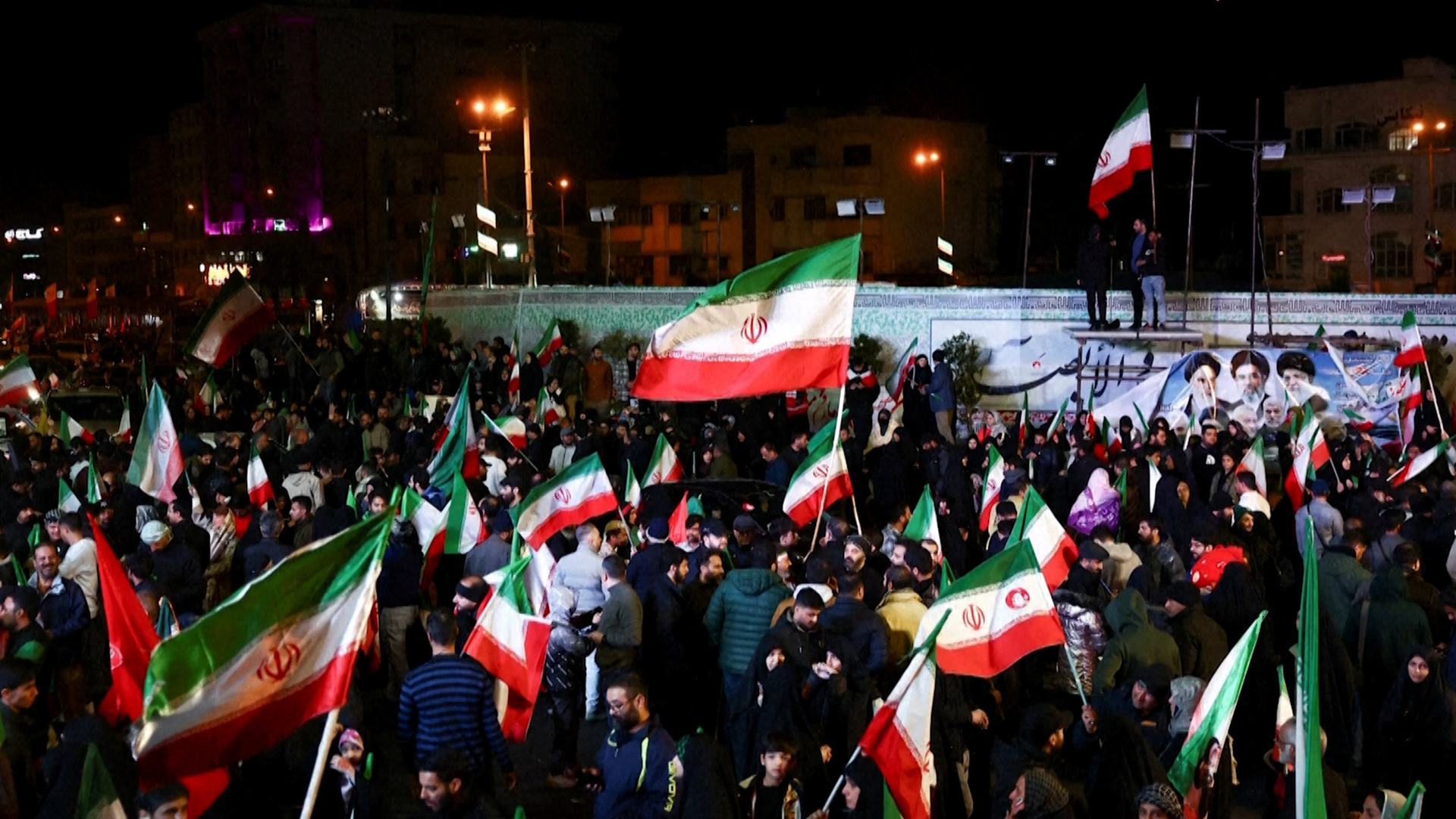
The two-week ceasefire period, which was agreed after a last-minute diplomatic intervention led by Pakistan, is designed to buy time to negotiate a permanent resolution to the conflict.
Iran’s foreign minister said the deal would temporarily allow safe passage through the strait of Hormuz, a crucial shipping lane that Iran effectively shut in retaliation for the US and Israel strikes on 28 February that initiated the war.
In an official statement welcoming the ceasefire, Albanese and the foreign affairs minister, Penny Wong, said Australia wanted to see the agreement upheld and the conflict resolved.
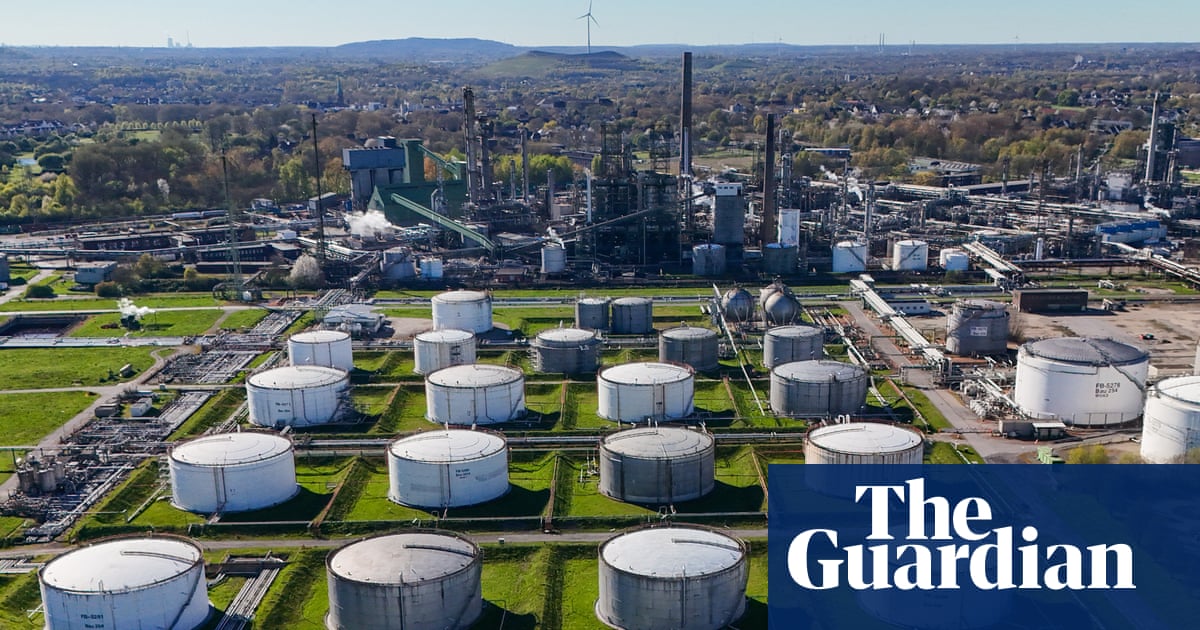
“Iran’s de facto closure of the strait of Hormuz, coupled with its attacks on commercial vessels, civilian infrastructure, and oil and gas facilities, is causing unprecedented energy supply shocks and impacting oil and fuel prices,” the statement said. “We have been clear the longer the war goes on, the more significant the impact on the global economy will be, and the greater the human cost.”