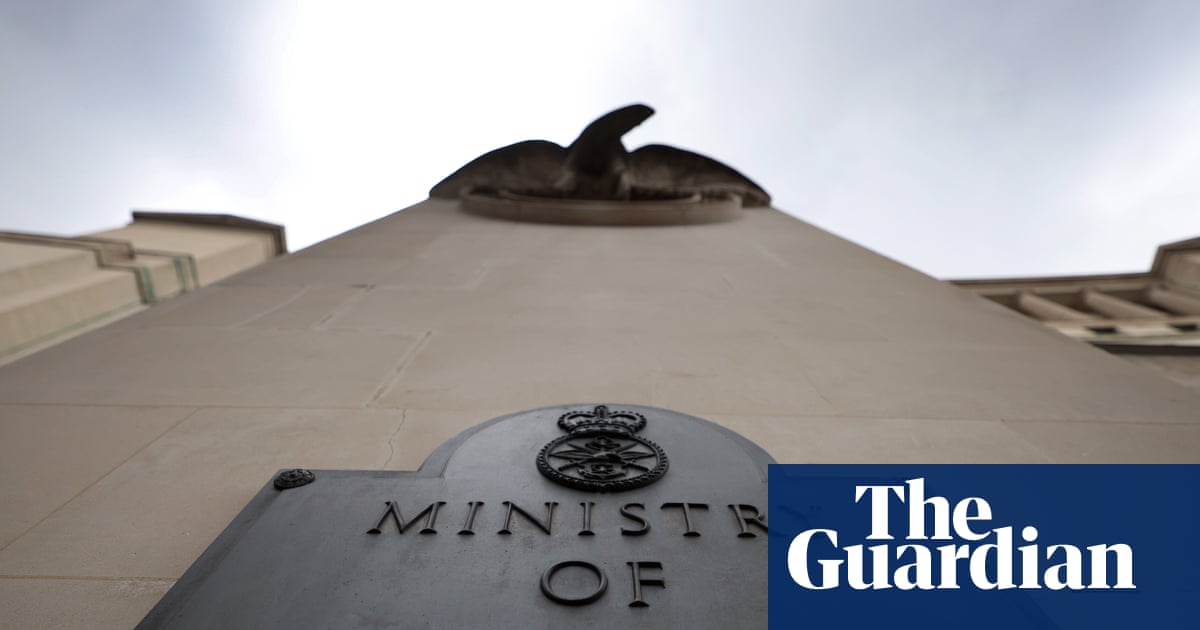
A Ministry of Defence (MoD) spokesperson said the dismissed and discharged payment’ was designed to recognise those who were dishonourably removed from service. Photograph: Andy Rain/EPAView image in fullscreenA Ministry of Defence (MoD) spokesperson said the dismissed and discharged payment’ was designed to recognise those who were dishonourably removed from service. Photograph: Andy Rain/EPAUK veterans ‘forced to resign’ for being gay launch legal action against MoDSteven Stewart and Mark Shephard tell high court LGBT Financial Recognition Scheme is ‘structurally unfair’
Two veterans who were forced to resign for being gay due to a ban on LGBT personnel in the armed forces have launched legal action against the Ministry of Defence (MoD) over a scheme set up to compensate them.
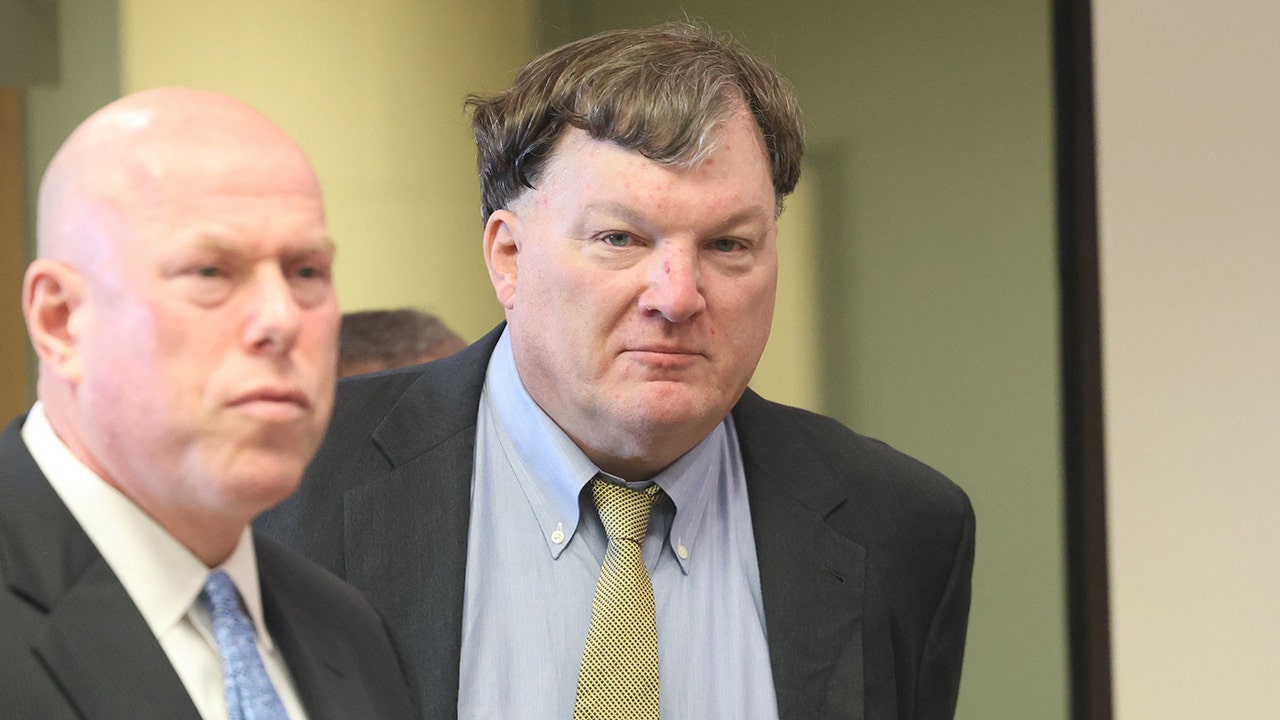
Steven Stewart and Mark Shephard, who were both “effectively forced to resign” from the military due to their sexuality, and faced “enduring psychological and relational harm”, are taking legal action against the department over the rules of the LGBT Financial Recognition Scheme, with their lawyers telling the high court that it is “structurally unfair”.
Law firm Irwin Mitchell, which is representing the two men, confirmed on Tuesday that a legal claim had been filed, with no hearing date set.
Gay men and lesbian women were banned from serving in the British military until 2000. About 200-250 were thrown out each year because of their sexuality, though the exact figures are not known, as proper records were not retained.
In 2024, Labour ministers approved the creation of a £75m compensation scheme for the victims of the policy, which led to some soldiers being jailed and others being stripped of their medals and lost their pension rights. The scheme was one of dozens of recommendations following Lord Etherton’s independent review into the ban in 2023.
It offers two payments: a flat rate payment of £50,000 for those who were dismissed or administratively discharged under the ban, and “impact payments” of up to £20,000 for those affected by it.
But barrister Kate Gallafent KC, for Stewart and Shephard, said in court documents that the scheme’s rules mean that those who were “constructively dismissed” – or forced to resign – are not eligible for the larger payment as they were not formally dismissed or discharged.
Stewart and Shephard received £7,000 and £5,000 impact payments respectively, which were determined by an independent panel, but had their applications for the larger payment refused as they were deemed ineligible, with their appeals then dismissed.
Gallafent said veterans who “were compelled to resign or retire by way of an ultimatum”, including her clients, will receive tens of thousands of pounds less than those who were administratively discharged.
Stewart served as a corporal in the Royal Military Police from 1988 until 1995, and told the court that he was “confused” about his sexuality at the time. He was arrested, interviewed under caution and removed from his unit, and resigned after being told he would face a court martial and a potential prison sentence.
He said: “Leaving under those circumstances was devastating. My military career ended overnight. The impact of that decision has stayed with me ever since.
Shephard served in the Royal Air Force from 1995 to 2001, with Gallafent saying he suffered “persistent and severe bullying”.
In 1999, he was asked “point-blank” by his commanding officer if he was gay, which he confirmed he was, as he was unaware of the ban at the time. He later applied for voluntary release to avoid being summarily dismissed.
An MoD spokesperson said: “We deeply regret the treatment of LGBT serving personnel between 1967 and 2000, which was wholly unacceptable and this is not representative of defence today.
“Whilst we acknowledge the hurt caused to veterans who felt compelled to resign, the dismissed and discharged payment was designed to recognise those who were dishonourably removed from service.”