After a punishing winter of arctic temperatures and a record-breaking blizzard, most of us are ready to shed our outer layers — and soak up the sun’s rays.
Day drinking on the patio with pals? Not for her. Beach plans on a sun-drenched Saturday? No thanks.
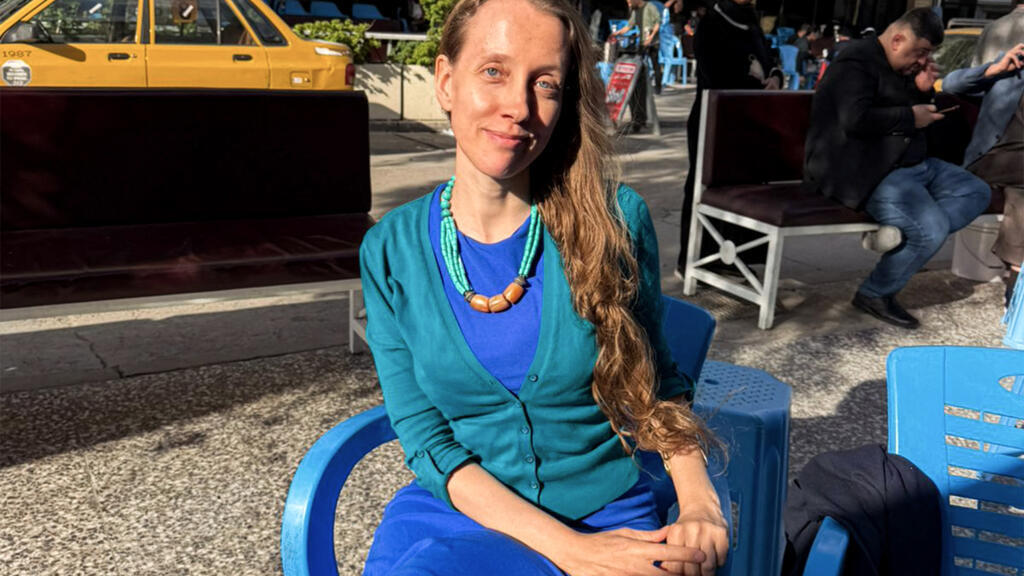
“I live for fall — I think about it every day,” the 29-year-old content creator confessed to The Post, steeling herself for the hot months.
Marren’s among the small but increasingly vocal group of people experiencing reverse seasonal affective disorder (RSAD) — also known as summer SAD, or summer depression.
Sure, winter can be dreary, the younger millennial admitted. “[But] there’s something about it that makes me feel more calm. Like it’s normal to slow down, stay inside and rest,” she explained.
Most people are familiar with winter’s angsty seasonal depression, or SAD — which causes scores of sufferers to feel lethargic and unmotivated.
RSAD, which is not yet a formally recognized medical diagnosis, is the opposite of that — leaving Marren and one percent of Americans to battle irritability, insomnia and anxiety while the rest of us enjoy the outdoors.
The average person might see the sunshine and come alive. For those affected by RSAD, hot weather causes stress — over things like body image concerns related to wearing less clothing, or an increase in invites to expensive outings.
Marren first noticed her distaste for summer after college, when she found more joy staying in versus going out. While she struggles with “on and off” with depression year-round, the societal pressures that accompany warm weather routinely lead her to feel anxious and overwhelmed.
“As someone who is more shy and has a bit of social anxiety, it’s hard for me to feel relaxed each time spring and summer comes around,” the St. Louis, Mo. native admitted.
Marren’s friends and family are generally supportive of her struggles with the disorder, but simultaneously do their best to “help and change my outlook on it — whether that’s making plans, or hyping the seasons up.”
While the 29-year-old cited body image issues and the pressure to always have plans as contributors to her reverse SAD, social media-fueled FOMO plays the starring role.
“During (these months), you feel like you should always be doing more — whether that’s being more out and about, being active and doing all the things you see people do online,” said Marren. “It makes me feel like I’m not doing enough and falling behind in life because I’m not ‘enjoying it’ as much as others…You feel less adventurous, less financially stable and less fun.”
To cope, Marren tries hard to romanticize the nicer weather by taking long walks, attending farmers’ markets, and reading outside. “Just doing things that make it feel more whimsical,” she said.
Lachrista Greco, a 40-year-old writer and librarian, also feels an intense dislike for the spring and summer seasons — and has since she was a teen.
“For me, it’s the combination of heat, extra daylight and allergies,” Greco, who was diagnosed by her psychiatrist several years ago with the disorder (which is typically recognized by clinicians as a subtype of Major Depressive Disorder with a Seasonal Pattern), told The Post.
“I feel down and low energy, but also manic, agitated and more anxious,” the Wisconsinite continued. “Because of this, I try to stay indoors more often than not — specifically in air conditioning and low lighting. It can get really hot and humid here in the Midwest, and standing outside sweating is not my idea of a good time.”
Greco told The Post that everyone in her life is “supportive” of her RSAD struggles, but has faced a smorgasbord of reactions online when she’s posted about her seasonally based struggles — some empathetic, others mocking the disorder for being “not real.”
“Why wouldn’t there be a summer SAD?” questioned Greco. “It makes sense to me that some people thrive during the summer and others thrive during the winter…Some of us would prefer to lie down in a gentle, soft snowpile rather than be burned alive by the sun.”
Like Greco, a growing number of sufferers have taken to posting online about their seasonal struggles.
Instagram user @redsilvermountains posted a selfie with a lengthy caption about their warm weather struggles — saying that it’s “not all sunshine and roses for everyone.”
“Over the years, different factors have added to me having a fear of the warmer days coming — health conditions, trauma, attempting to stay sober, body image issues, and the heat actually makes my joint pain and fatigue worse,” they confessed.
Dr. Sue Varma, a board-certified psychologist and author, shared that she regularly sees patients with reverse SAD in her NYC practice — though she noted that the condition, which can range from presenting as depression to hypomania, is “often missed” by many.
“Most people are familiar with the winter blues,” Varma told The Post. “Standard SAD usually kicks in when the days get shorter and darker. It’s often linked to a drop in serotonin and an overproduction of melatonin, making you feel like a hibernating bear.”
“Reverse SAD, or summer-onset SAD, is the opposite. Instead of reacting to a lack of light, your body and brain overreact to too much of it. It typically starts in late spring or early summer and wraps up when the crisp air of autumn returns,” the expert continued.
While everyone has their gripes about the downside of summer, Varma explained to The Post that reverse SAD goes deeper than that.
“Instead of wanting to sleep, you’re likely staring at the ceiling with insomnia. Instead of reaching for a bagel, you might lose your appetite. While winter makes you feel low, summer makes you feel irritable, agitated and anxious. It’s not a slow slump — it’s a prickly, restless discomfort,” she said.
For those who experience RSAD, Varma suggests using blackout curtains that “create a cool zone in your home. Dimming the lights can help lower your core temperature and calm your nervous system.”
The expert also suggests exercising at dawn or dusk. “Don’t try to power through a noon-day run — keep your movement to the blue hours, when the light is less harsh,” and utilizing cold therapy — “cold showers or ice packs can help regulate the agitation that comes with summer heat.”
But most importantly, Varma stresses that RSAD sufferers need to have boundaries.
“It is perfectly okay to say no to the 3 p.m. beach trip and yes to the 8 p.m. movie. Also, if you find that your summer blues are leading to thoughts of hopelessness or making it impossible to function at work, please reach out to a professional.”