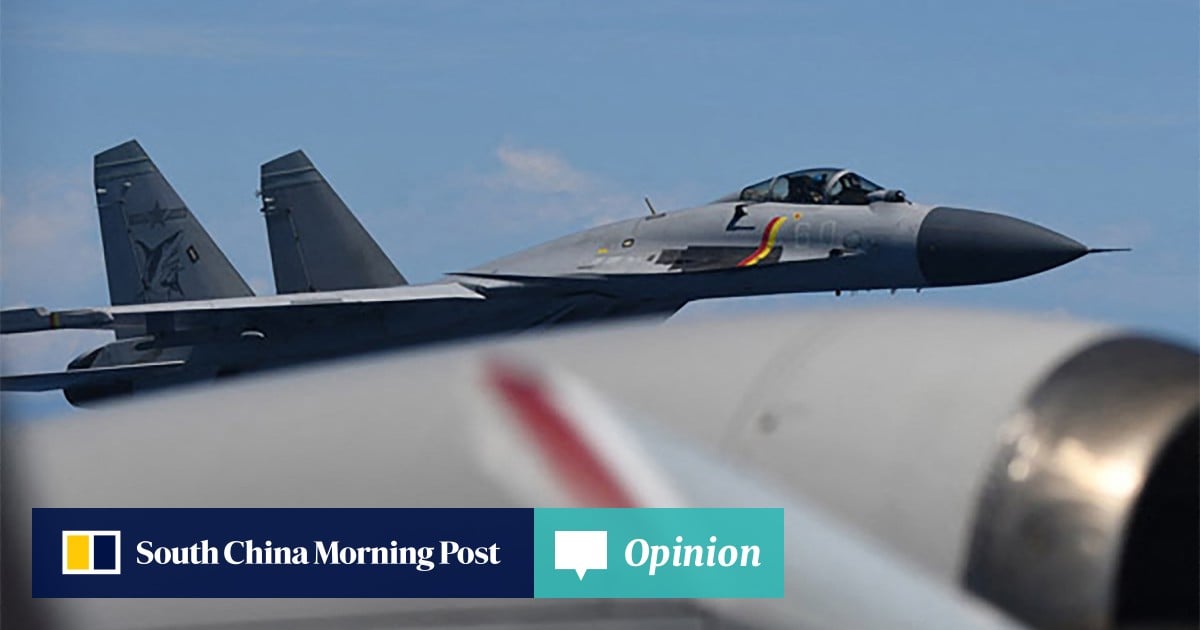
States’ ability to exercise territorial rights is increasingly mediated by their access to satellite data and analytics, but the tech is dominated by a powerful few
3-MIN READ3-MINYogi PutrantoPublished: 9:30am, 7 Apr 2026Control of the seas has long defined power in the Asia-Pacific. From strategic chokepoints to contested fishing grounds, maritime space has shaped the region’s economic lifelines and geopolitical tensions. But a quieter contest is unfolding – less visible, yet potentially more consequential.
While Unclos grants coastal states sovereign rights over their exclusive economic zones, the ability to exercise those rights is increasingly mediated by access to data. A distinction is emerging between legal sovereignty and informational sovereignty. States may control their waters in law, but not fully control the information that reveals what happens within them.
History, money and military: why the South China Sea is so important to Beijing