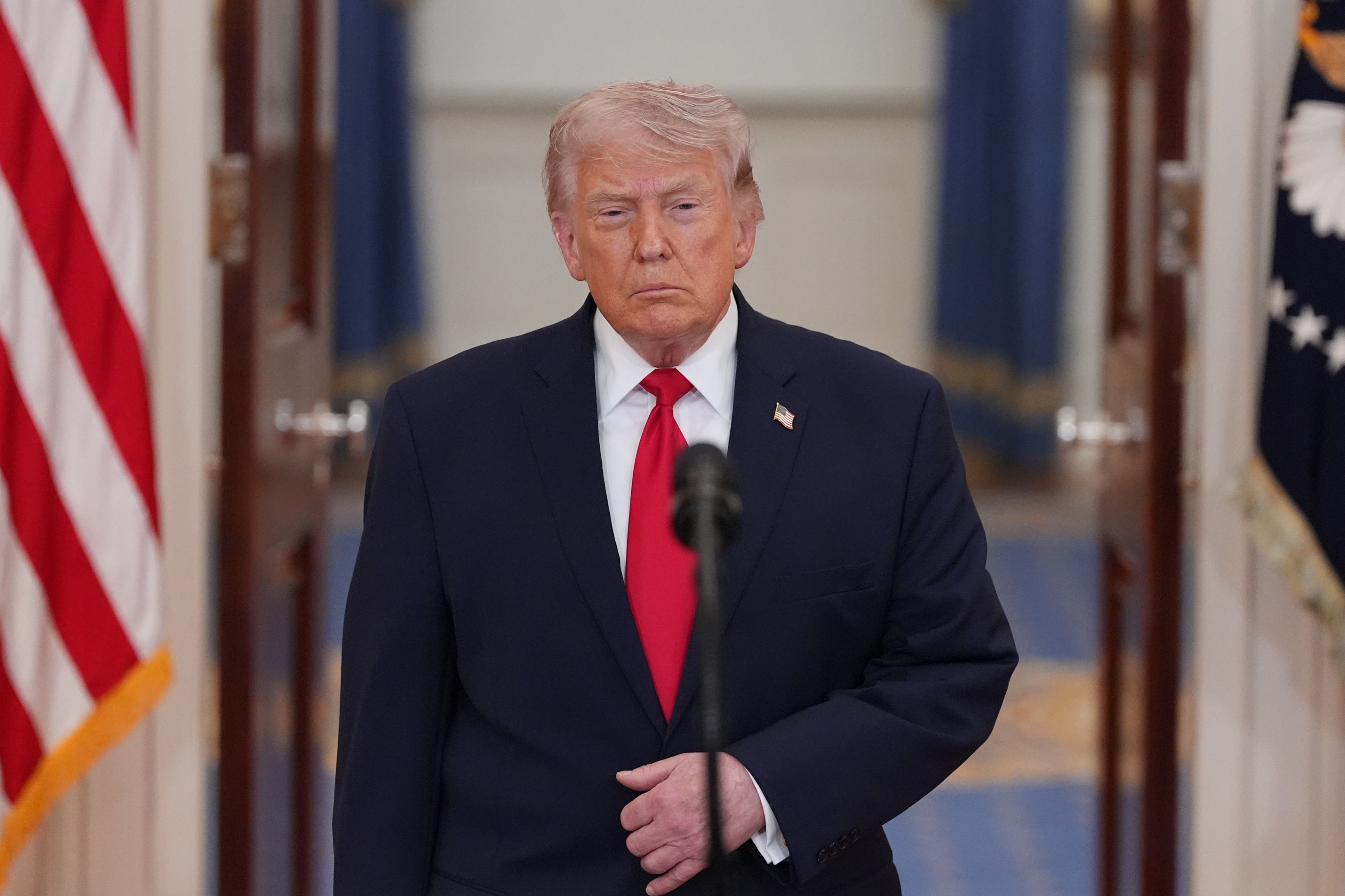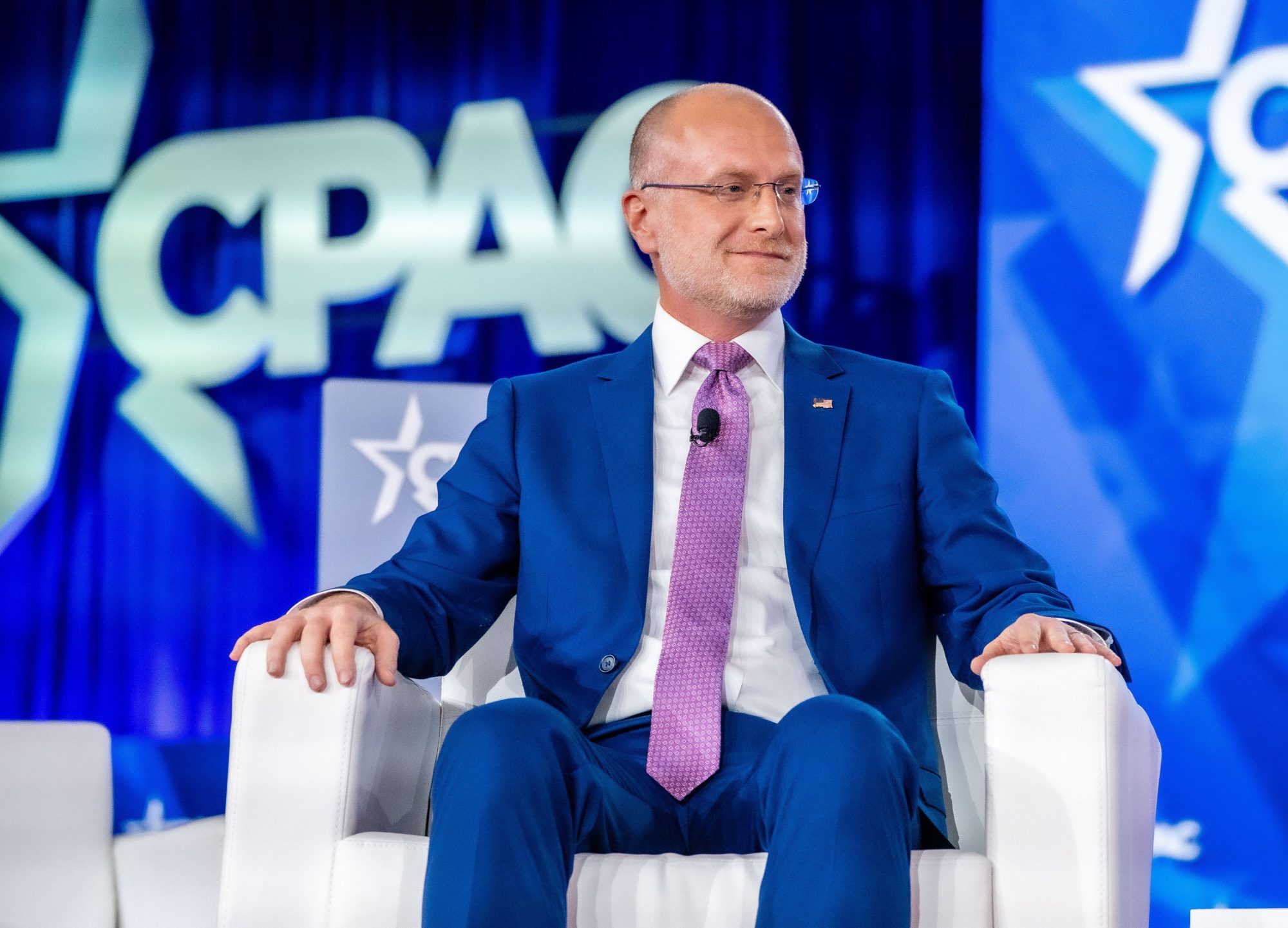
FCC chair Brendan Carr issued "ham-handed threats" to networks that must "operate in the public interest" or risk "losing their licenses" over Iran coverage, writes Racket's Matt Taibbi. Amy Harris/Shutterstock Labor watch: Ensuring That Workers Want Unions Florida is proactively working to “hold government employee unions accountable,” notes Aaron Withe at The Hill, by forcing them to demonstrate “support from an absolute majority of the people it claims to speak for.” A 2023 law demands “recertification elections” when unions “fail to maintain the support of 60 percent of their dues-paying membership.” Saying “they didn’t bother to vote against us” cannot be a “sufficient basis” to hold exclusive bargaining power.” Yet Oregon is “doing the exact opposite,” permitting government unions to sue groups “that contact public employees about their rights to opt out of unions.” Advocates claim this is meant to curb groups from fraudulently “impersonating a union representative,” yet they’ve never cited “a single documented case of a worker being genuinely defrauded.”
Big Tech is “suppressing ads for a documentary about IRS whistleblower clients,” fumes Racket’s Matt Taibbi. “Google, X, and Meta all appear to be declining to run ads,” even though Mark Zuckerberg “appeared at Trump’s inauguration” after “publishing a controversial letter” that “criticized the Biden administration’s pressure to ‘censor’ certain political material.” Meanwhile, FCC chair Brendan Carr issued “ham-handed threats” to networks that must “operate in the public interest” or risk “losing their licenses” over Iran coverage, even though Trump “seemed to run against censorship in the 2024 campaign.” It seems likely that “as politicians of any party fall into public disfavor, they will feel greater temptation to use the awesome information-squashing gadgets available on these platforms.”
Israel’s Knesset “widened the application of the death penalty,” but this “landmark law” will never “see the light of day,” predicts Commentary’s Seth Mandel. The bill, which “would make it easier to avoid a death penalty for Jewish defendants than Arab defendants,” seems “designed to be scrapped by the high court.” The real purpose of the bill is “to derail hostage deals.” Historically, “controversial swaps” of hundreds or thousands of Palestinian inmates for a few Israeli hostages “have long been understood to incentivize future hostage taking.” Because of these deals, “bloodstained terrorists” know “they will never serve out their sentences,” and so “murder convictions only temporarily remove someone from the battlefield.”
“Pastor Jason Howard of the Sanctuary Church in Pittsburgh saw a surge of young people flocking to his Christian congregation” the week after Charlie Kirk was murdered, reports the Washington Examiner’s Salena Zito. Although “their congregation had always been predominantly youth-driven” — “this was different,” as “lines began to form.” It isn’t an isolated phenomenon: “For the first time in decades, faith in this country is growing, not retreating — particularly among our young people.” Plus, “new data show that the share of Americans who are nonreligious has dropped for the third year in a row.” There’s a “surge in Roman Catholic Church converts” across the US as well. Young people are seeking “something absolute to anchor their lives in,” contends Howard, and “God is the absolute that can anchor our lives.”
“Washington has for years given priority to spending on butter over guns,” grumbles The Wall Street Journal’s editorial board. “The result is a shrunken military industrial base that has been exposed by the wars in Iran and Ukraine.” Fortunately, President Trump aims “to boost defense spending to $1.5 trillion.” Doing so would increase it “to 4.5%” of GDP, “which is close to the 5% goal that the President has set for NATO members.” The proposal “aims to expand the military industrial base” to ensure we’re not short of ships, “munitions or manpower.” For all the naysaying about increasing the deficit, “investing in military deterrence is also far cheaper than having to fight a war against China.” “The President’s budget shows a welcome new realism about the multiplying threats America faces.”
— Compiled by The Post Editorial Board