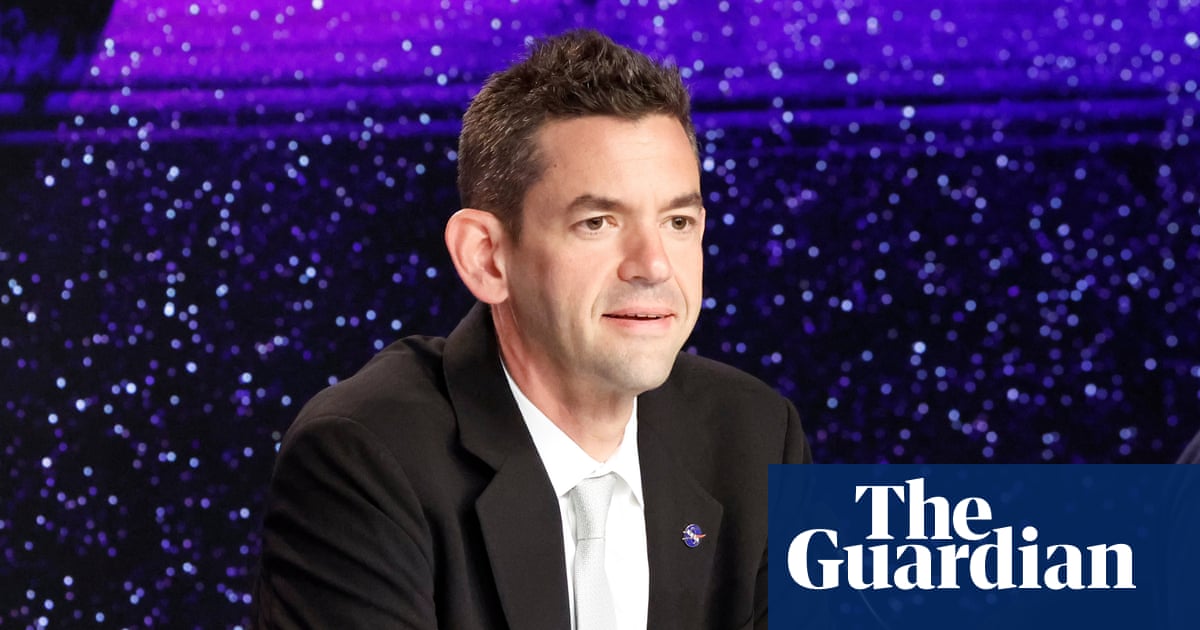
Nasa administrator Jared Isaacman speaks during a press conference after the Artemis II moon rocket launched at Kennedy Space Center in Cape Canaveral, Florida, on 1 April. Photograph: Terry Renna/APView image in fullscreenNasa administrator Jared Isaacman speaks during a press conference after the Artemis II moon rocket launched at Kennedy Space Center in Cape Canaveral, Florida, on 1 April. Photograph: Terry Renna/APChance of alien life ‘goes to heart’ of space missions, Nasa chief saysJared Isaacman says odds of evidence we are not alone are ‘pretty high’ four days after Artemis II rocket lifted off
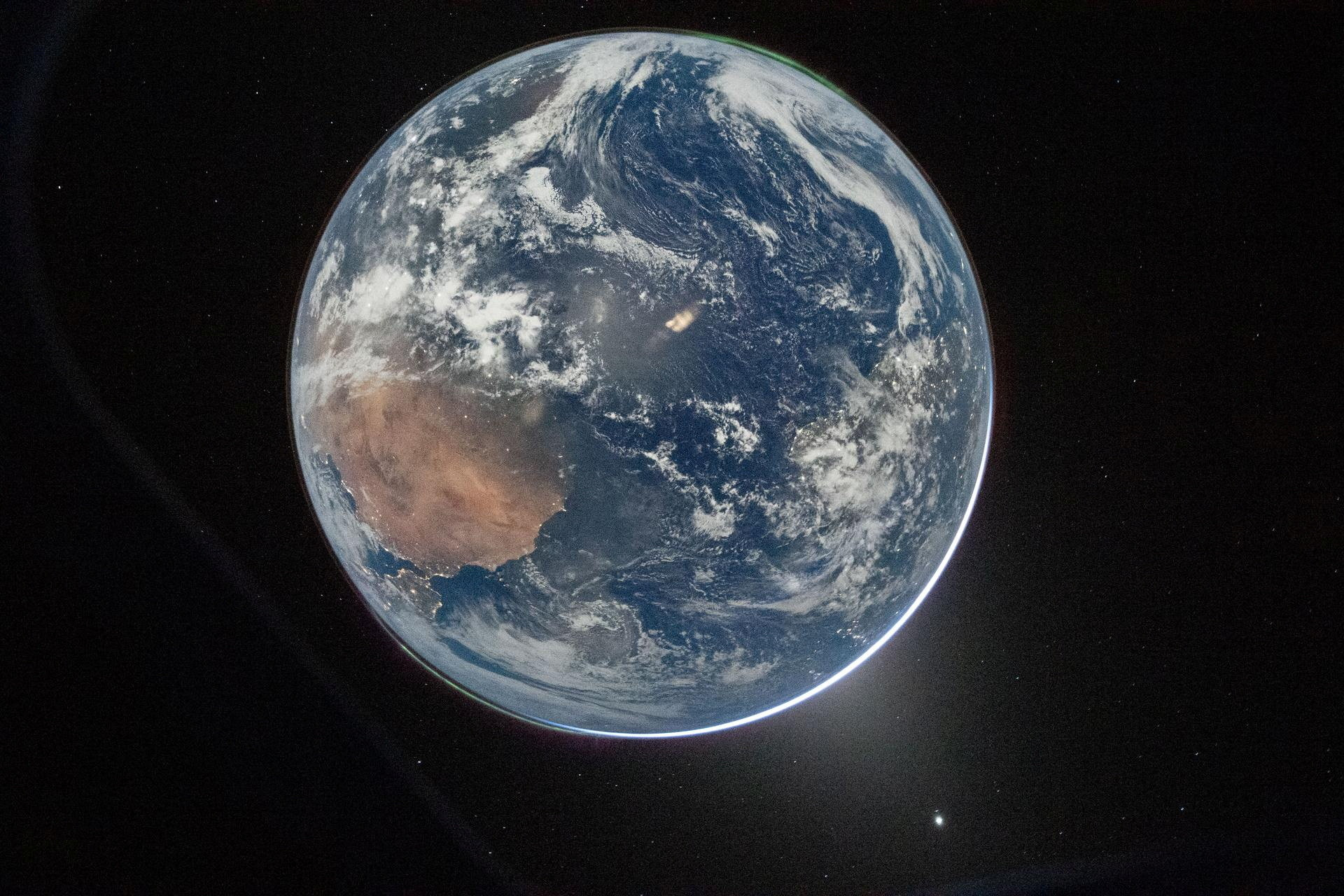
Nasa’s Orion spaceship four days into Artemis II mission: in pictures
The top official at Nasa says that the chance of alien existence is a factor in how the US space agency plans its missions.
Speaking on Sunday, Nasa administrator Jared Isaacman told CNN’s Meet the Press that investigating the existence of alien life “goes to the heart of many things that we do at Nasa”, adding: “Our job here is to go out and try and unlock the secrets of the universe.”
Read moreOne of the questions, he said, is “are we alone? The question would say that is inherent in every one of our scientific endeavors, our exploration endeavors.”
Issacman pointed to a potential moon base on the south pole of the moon that would incorporate telescopes “that will help us continue this great search”.
But the official qualified his comments, offering that he had been to space twice and “didn’t encounter any aliens up there. I have not seen anything to suggest that we have been visited by any intelligent life forms out there.”
But, he added, “when you think about it, we got 2tn galaxies out there. Who knows how many star systems within each of it? I would say the odds that we will find something at some point to suggest that we are not alone are pretty high.”
Isaacman’s comments come four days into Nasa’s Artemis mission to circumnavigate the moon, the first lunar mission since 1972. The four crew members of the Orion spacecraft crew were closer to the moon, at 110,700 miles (178,000km), than to Earth, at 169,000 miles, when they woke up on Saturday.
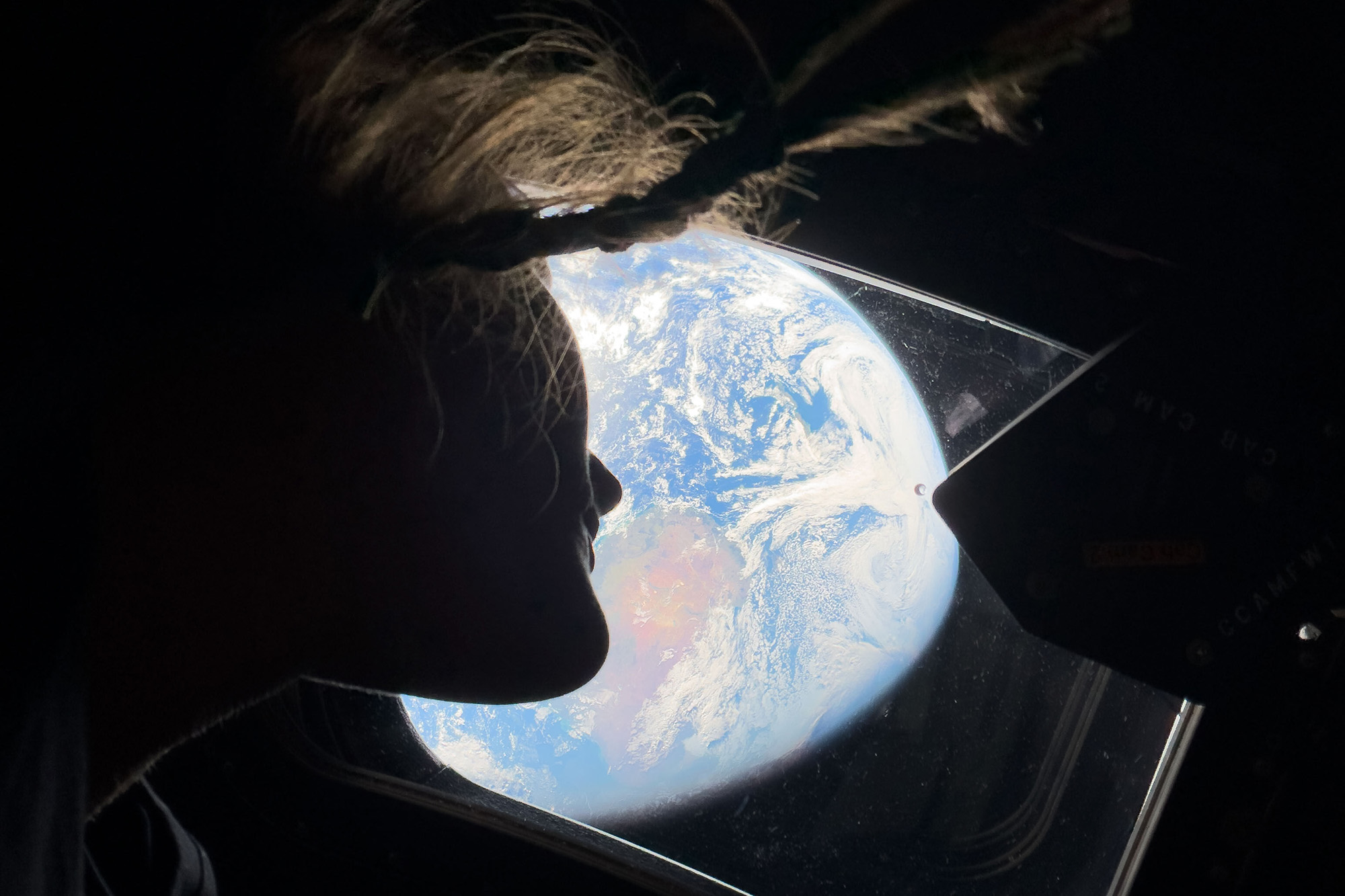
View image in fullscreenIn an image provided by Nasa, astronaut and Artemis II mission specialist Christina Koch peers out of one of the Orion spacecraft’s main cabin windows as the crew travels towards the moon on Thursday. Photograph: APThe capsule will loop around the moon’s far side, a milestone that will occur on Monday evening, and slingshot back toward Earth where it is expected to arrive on Friday.
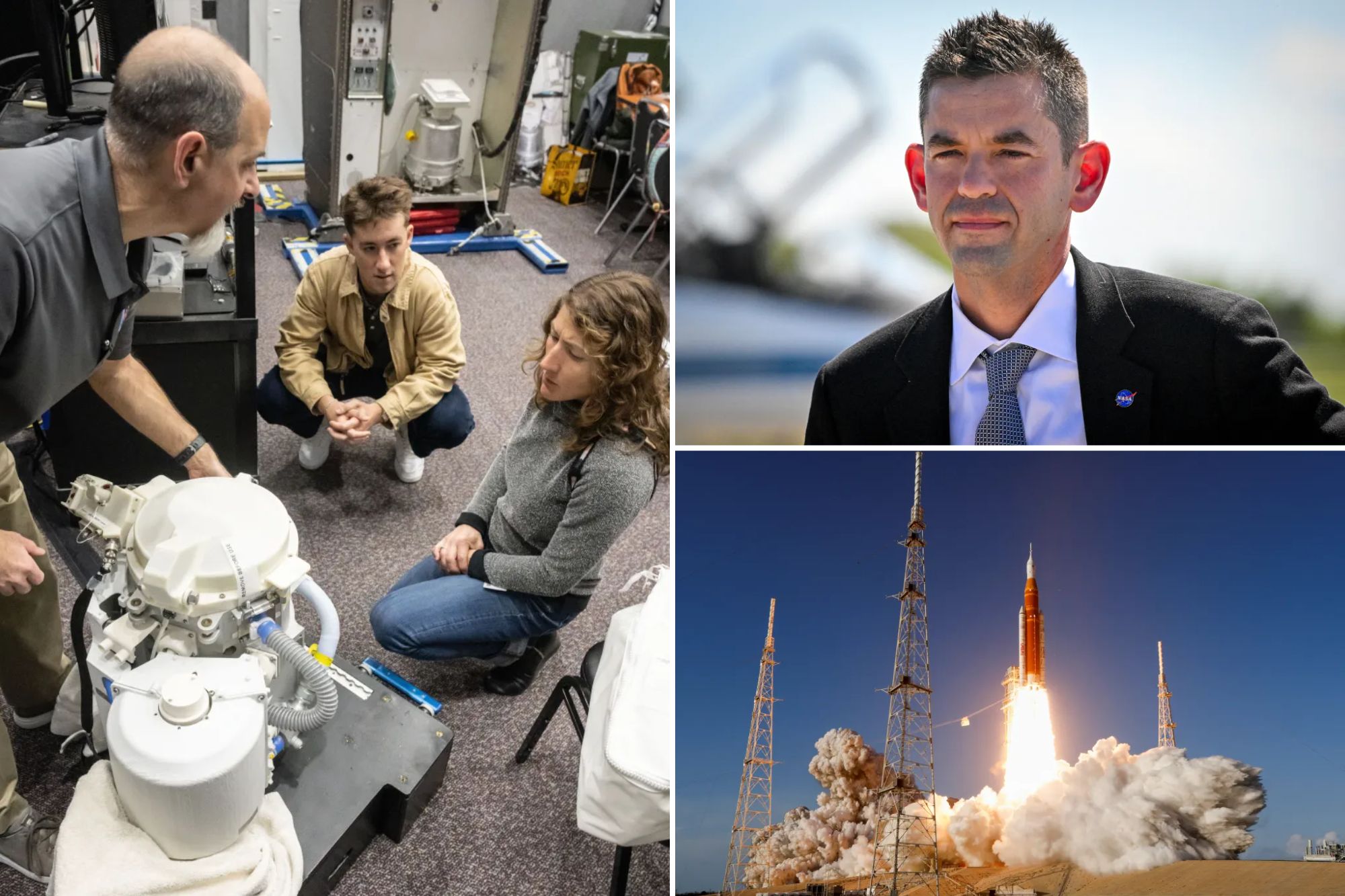
Nasa has said it was able to fix the spacecraft’s $30m, titanium vacuum-based Universal Waste Management System (UWMS) toilet to normal operations. The crew had reported a blinking fault light on the system, which requires headphones to use, and uses suction to separate waste, venting urine into space and storing fecal matter in canisters for return to Earth.
Isaacman addressed the issue on Sunday, saying: “Throughout the history of human spaceflight, so going from the Mercury, Gemini, Apollo program, to shuttle, to Mir and International Space Station to Dragon, which I flew on, and, of course, Orion, the toilet working is almost a bonus capability.”
He added that of all the “extraordinary things in space right now”, a working bathroom remains elusive. “Nailing this capability is one that we need to certainly work on I will say we build in a lot of backups,” Isaacman said, pointing to different vent lines to jettison urine.
“Even when we have an issue with some freezing on the primary, the secondary has been working. So, believe me, the astronauts, they’re OK right now, and they were well prepared for the situation,” he said.