JPMorgan resets Apple stock price target amid iPhone panic Hillary Remy, Celine Provini Wed, October 14, 2026 at 12:03 PM EDT 5 min read AAPL +1.11% Trade Apple on Coinbase Trading disclosure Trading disclosure The above button links to Coinbase. Yahoo Finance is not a broker-dealer or investment adviser and does not offer securities or cryptocurrencies for sale or facilitate trading. Coinbase pays us for certain activity generated through this link. Prices displayed are informational.
Like clockwork, the fall iPhone launch has been followed by talk of trouble. Apple reportedly told suppliers to cut October component orders for the iPhone 18 Pro and iPhone 18 Pro Max by at least 15% from earlier plans after demand came in softer than expected.
Apple stock shrugged it off. Shares climbed about 1.3% to $340.93 on Oct. 12 after one of Wall Street's biggest banks pushed back on the gloomy reading and lifted its price target.
Also read: Apple's priciest iPhone is giving some AT&T customers problems
JPMorgan raised its Apple price target by $20 to $360, only months after trimming it to $340 in July over supply worries.
In a note to investors, analyst Samik Chatterjee kept his Overweight rating and said the reported cuts are no different from the production adjustments Apple makes every year. He added that demand for the iPhone 18 Pro is running fractionally ahead of the iPhone 17 Pro so far, according to Fortune.
Chatterjee argued that supplier cuts reflect Apple's new launch timing rather than a weaker upgrade cycle. He pointed to lead times that suggest demand for the iPhone 18 Pro and Pro Max is holding up better than it did for last year's Pro models, as reported by Benzinga.
Other analysts are urging caution about reading too much into supplier chatter. Evercore ISI warned that changes to component orders don't always translate directly into consumer demand, while UBS flagged shipping wait times as the signal worth watching. A 15% cut in orders, in other words, is not the same as a 15% drop in demand.
Survey data also leans toward the bulls. Evercore's annual poll of nearly 4,000 U.S. consumers found that 53% of people planning to buy an iPhone expected to pick a Pro or Pro Max model, and the firm noted longer delivery times after preorders opened.
This year's lineup broke from Apple's usual playbook. The company launched its first foldable alongside two premium models this fall, while the standard iPhone 18 was pushed into the first half of 2027.
Rising memory costs and the complexity of building a foldable weighed on the plan. And pricier models give Apple more room to absorb higher component costs.
That foldable, the iPhone Duo, starts at $1,999 and comes with a 7.6-inch inner display, with preorders opening on Oct. 16 and sales beginning on Oct. 23. Citi has called it Apple's biggest new hardware category since the Apple Watch and AirPods, as reported by TheStreet.
The split schedule is the main reason JPMorgan is trimming its December quarter outlook. The bank expects a temporary shortfall as buyers of the base iPhone wait for the early 2027 launch, though higher prices and the iPhone Duo should help offset the gap and allow Apple revenue to rise year over year, even as iPhone revenue declines slightly.
Chatterjee now sees December quarter earnings landing about 4% below the consensus estimate. He expects iPhone shipments to fall 18% from a year earlier, but believes higher average selling prices will make up for most of that drop. He describes this as a price-driven cycle rather than a volume story, according to Benzinga.
JPMorgan isn't blind to the risks. Its analysts flagged the global economy and its effect on consumer demand, local rivals in overseas markets that can move faster on pricing, and foreign tariffs that could favor homegrown brands. They also listed Apple's acquisitions as a possible distraction, though they believe the CEO handover has been handled well so far.
Memory prices remain the biggest wild card. Apple raised prices on several Macs and iPads in June, and a spokesperson said the company had "never seen a component price increase this much, this quickly," TheStreet reported. IDC expects the global smartphone market to shrink by close to 14% this year.
Apple's biggest AI advantage may face new privacy challenge
Apple secret new device is a challenge to Amazon
Bank of America warns Apple investors because of Meta's Muse
The competitive picture in China is tricky, too. Huawei launched its new Mate 90 series on Oct. 1, even as China's smartphone market continues to contract. Rising memory prices have pushed up production costs across the industry, forcing handset makers to raise prices further.
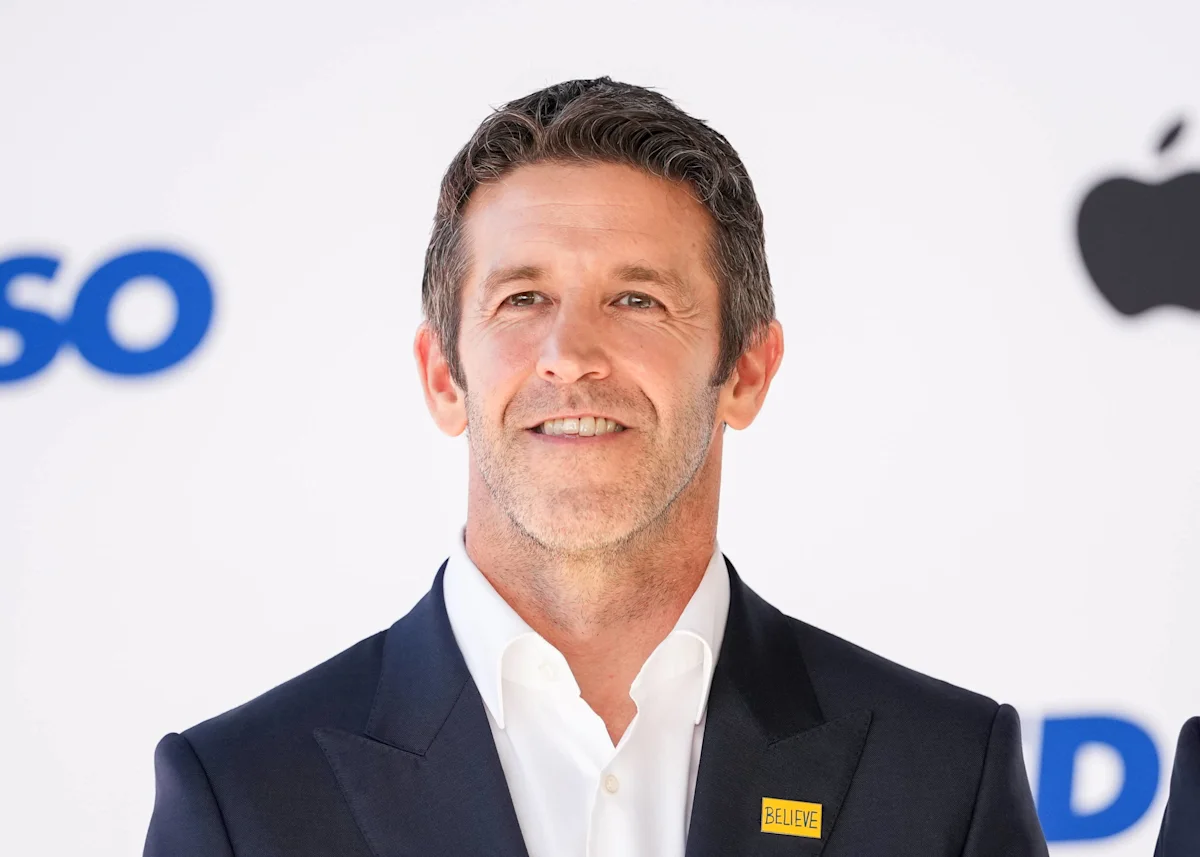
There is also a new leader at the top. John Ternus took over as Apple's CEO on Sept. 1, while Tim Cook moved into the role of executive chairman. The board approved the change unanimously as part of a long-term succession plan announced in April.
The company enters this stretch from a position of strength. In its most recent quarterly report, released in late July, Apple said revenue rose 16%, and iPhone sales jumped 22%.
Bank of America is also sticking with the stock. It trimmed its price target to $370 from $380 but kept its Buy rating, even while flagging SpaceX's move into wireless as a longer-term risk to the carrier subsidies that help sell iPhones. The analysts see limited near-term earnings risk and don't expect a real impact until fiscal 2028 or later.
The next big test comes on Nov. 2, when Apple reports its fiscal fourth-quarter results. It will be the first earnings call led by Ternus as CEO, alongside CFO Kevan Parekh.
That call should show whether J.P. Morgan's patience is about to pay off.
Related: Apple's new CEO plans to send shocking memo to Apple employees
This story was originally published by TheStreet on Oct 14, 2026, where it first appeared in the Investing section. Add TheStreet as a Preferred Source by clicking here.