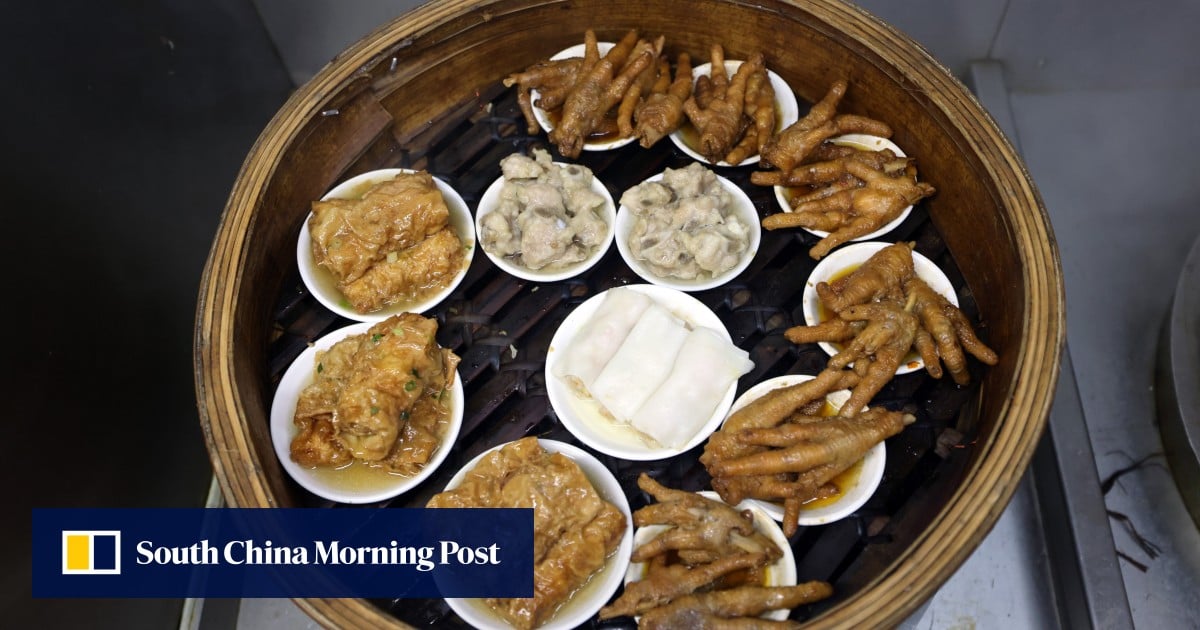
Effective on May 1, the rule mandates that operators must explicitly state whether their dim sum dishes are made using traditional on-site methods
4-MIN READ4-MIN ListenLam Ka-singPublished: 6:15pm, 4 Apr 2026Updated: 6:22pm, 4 Apr 2026A new rule in Guangzhou requiring teahouses to declare whether their traditional dim sum is freshly handmade has sparked debate and calls for transparency over how similar meals are made in Hong Kong.
Guangzhou authorities on Wednesday released the new regulation on morning tea heritage protection, effective on May 1, which mandates that operators must explicitly indicate whether their dim sum dishes are made using traditional on-site methods or through non-traditional means.
The mainland Chinese legislation also stipulated a strict 24-hour freshness window from production to consumption for traditionally made items to preserve the intangible cultural heritage.
Jonathan Leung Chun, a lawmaker for the catering sector, said that while the new rule in Guangzhou had sparked a necessary debate in Hong Kong, it was also important to avoid conflating “central kitchens” with “pre-made meals”, which he described as unfair to the local industry.
He said that many of Hong Kong’s large restaurant groups predominantly used central kitchens during peak hours for standard pre-processing, including slicing and seasoning, for consistent quality and hygiene.
“This is an extension of the restaurant’s own kitchen rather than the death of the craft, and it differs significantly from factory-processed, frozen ready-meals,” Leung said. “We must clarify this distinction to accurately assess the survival of handmade dim sum.”