The missing US fighter pilot shot down over Iran Friday has an edge over enemies because the search-and-rescue mission is unfolding at night, military experts said.
US forces have better night vision and infrared communication technology than combatants in Iran — and darkness will help the pilot remain hidden in the hostile territory, the experts said.
“We own the night,” Capt. Ron Alvarado, a retired Marine combat pilot, told The Post. “Hopefully, he or she will be rescued by morning.”
“Night is the best [for rescues] because you can’t be seen. Dawn and dusk are also good periods of time because you can see — but not necessarily be seen,” he added.
Alvarado, who spent decades flying aircraft in combat, said the missing crew member‘s elite survival training is likely now kicking in “like muscle memory.”
“Obviously he or she is going to stand out like a sore thumb, so the biggest thing is to remain unsighted,” Alvarado said.
“Right now, that pilot is evading capture, hunkering down and remaining low to the ground to evade the enemy. He or she is going to be trying to use radio to communicate for a rescue.”
Training known as “SERE” —Survival, Evasion, Resistance and Escape — will likely help the crew member stay alive in the hot, wide-open desert terrain.
But there are still too many unknown factors to predict if the pilot will be found alive, Alvarado said.
“It’s a 50-50 situation — we don’t know where the person is, if they have injuries or are surrounded by the enemy,” he said. “Is their radio working? Do they have enough water?”
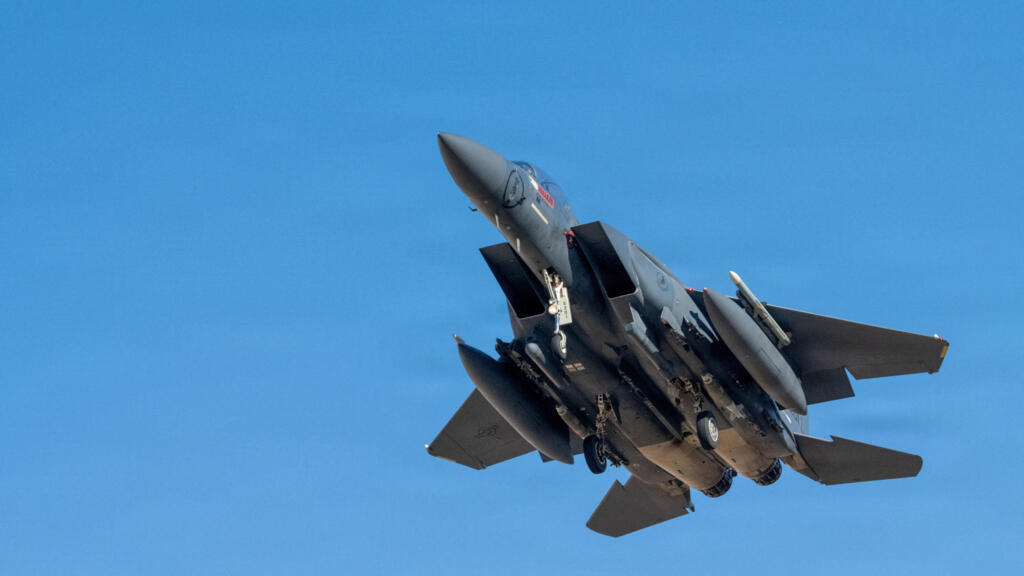
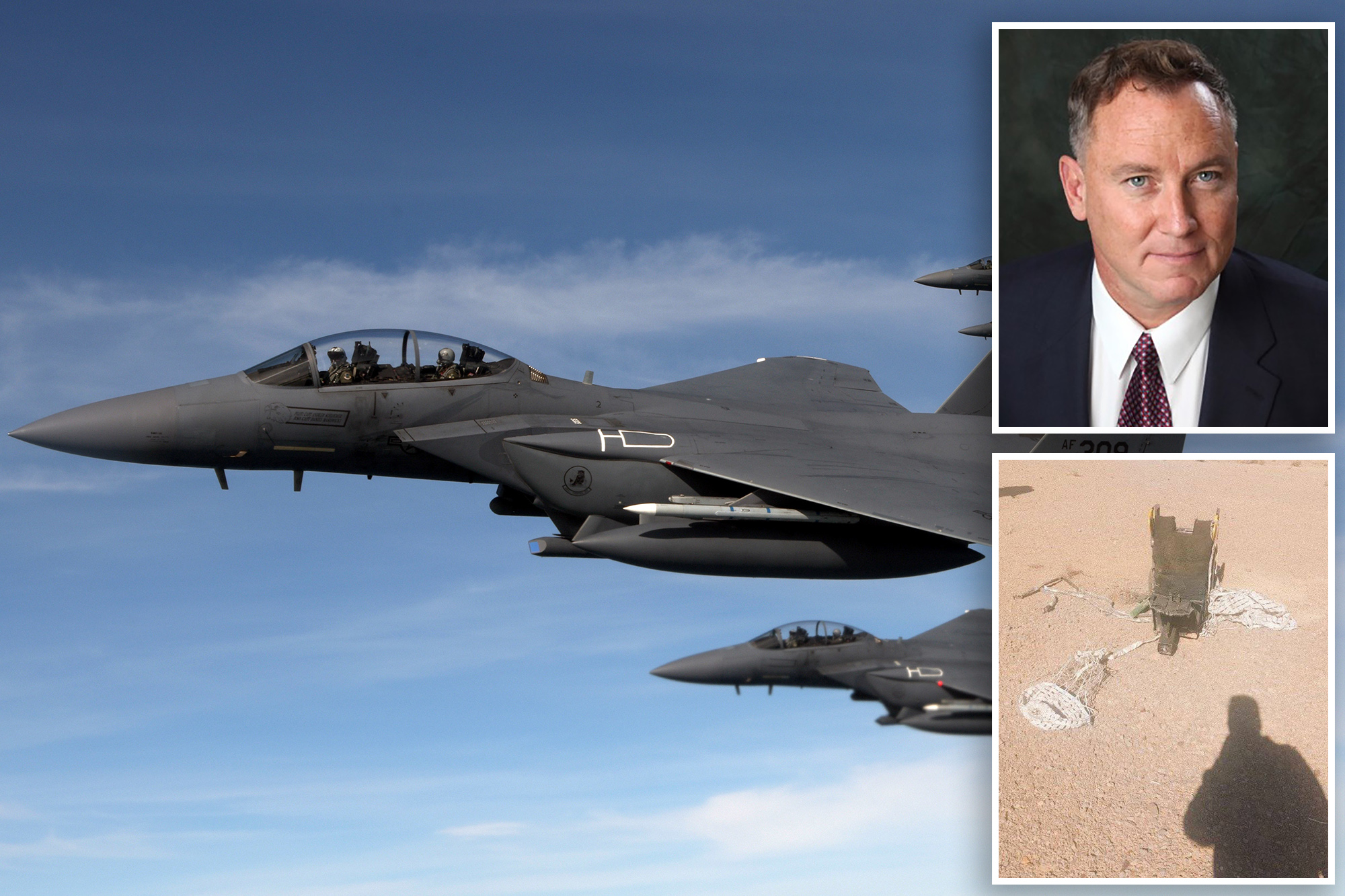
The American F-15E was shot down Friday with two crew members inside, authorities said. CNN geolocated the area to the Khuzestan Province in western Iran, closer to the Iraq border.
One member was found in southern Iran and rescued by US special forces hours later, while the other remained missing, according to reports.
“Assuming they ejected, they may be alive somewhere on the ground,” Admiral William J. Fallon told the New York Times Friday. “The key factor in my mind is time and day. It’s probably close to sunset, and that’s good, because we typically have an advantage at night with our search- and-rescue people.”
American and Israeli pilots have carried out more than 20,000 airstrikes since the beginning of the war, according to the countries’ military officials.