As governments roll out work-from-home policies to cut fuel use, civil servants face location tracking and other productivity measures
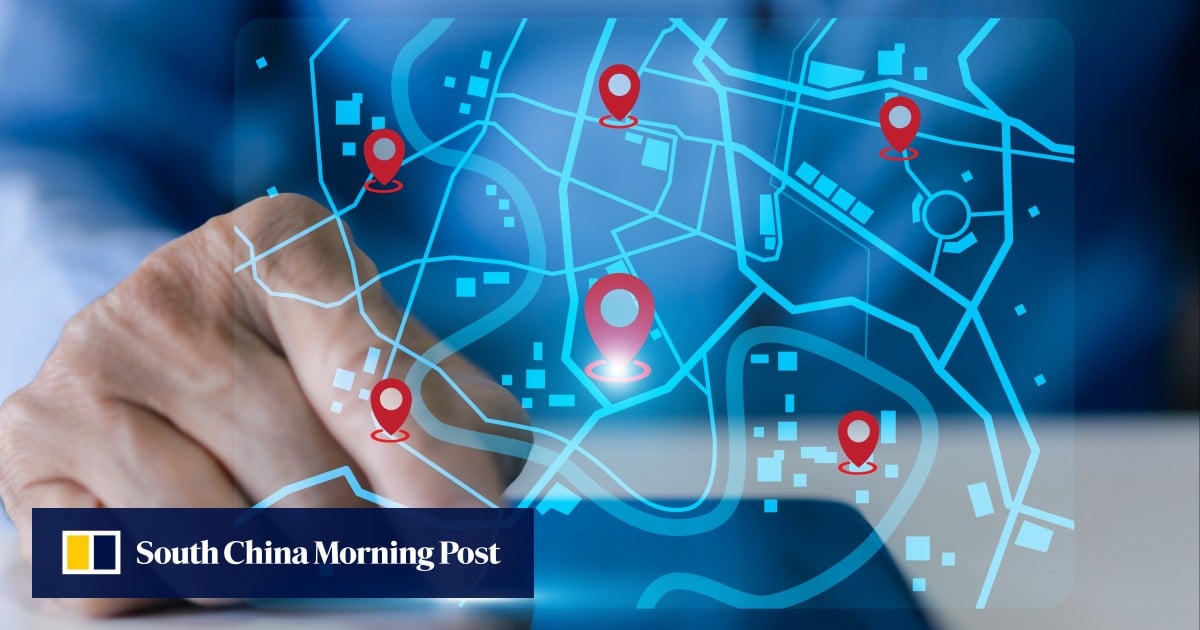
3-MIN READ3-MIN ListenSCMP’s Asia deskPublished: 4:44pm, 3 Apr 2026Indonesia and Malaysia have ordered civil servants to work from home to save fuel amid the Iran war but with digital surveillance measures far stricter than those used during the pandemic.Civil servants in Indonesia must activate location tracking and respond to work communications within five minutes. Their Malaysian counterparts must log into a geolocation monitoring system every hour. Those who fail to comply face escalating sanctions.
The work-from-home policies, announced within days of each other, are both governments’ response to soaring global oil prices after the conflict disrupted shipping through the Strait of Hormuz, pushing crude above US$100 a barrel. Indonesia and Malaysia both heavily subsidise fuel, putting their national budgets under mounting pressure.
Jakarta’s policy, which took effect on Wednesday, allows civil servants to work remotely every Friday – a measure the government estimates could save about 6.2 trillion rupiah (US$365 million) in fuel costs, according to Coordinating Minister for Economic Affairs Airlangga Hartarto.
The Manpower Ministry is expected to draft guidelines on how the rule could apply to the private sector too.
“The WFH rule for private sector employees still takes into account the characteristics and needs of each business,” Airlangga told a press briefing on Tuesday.