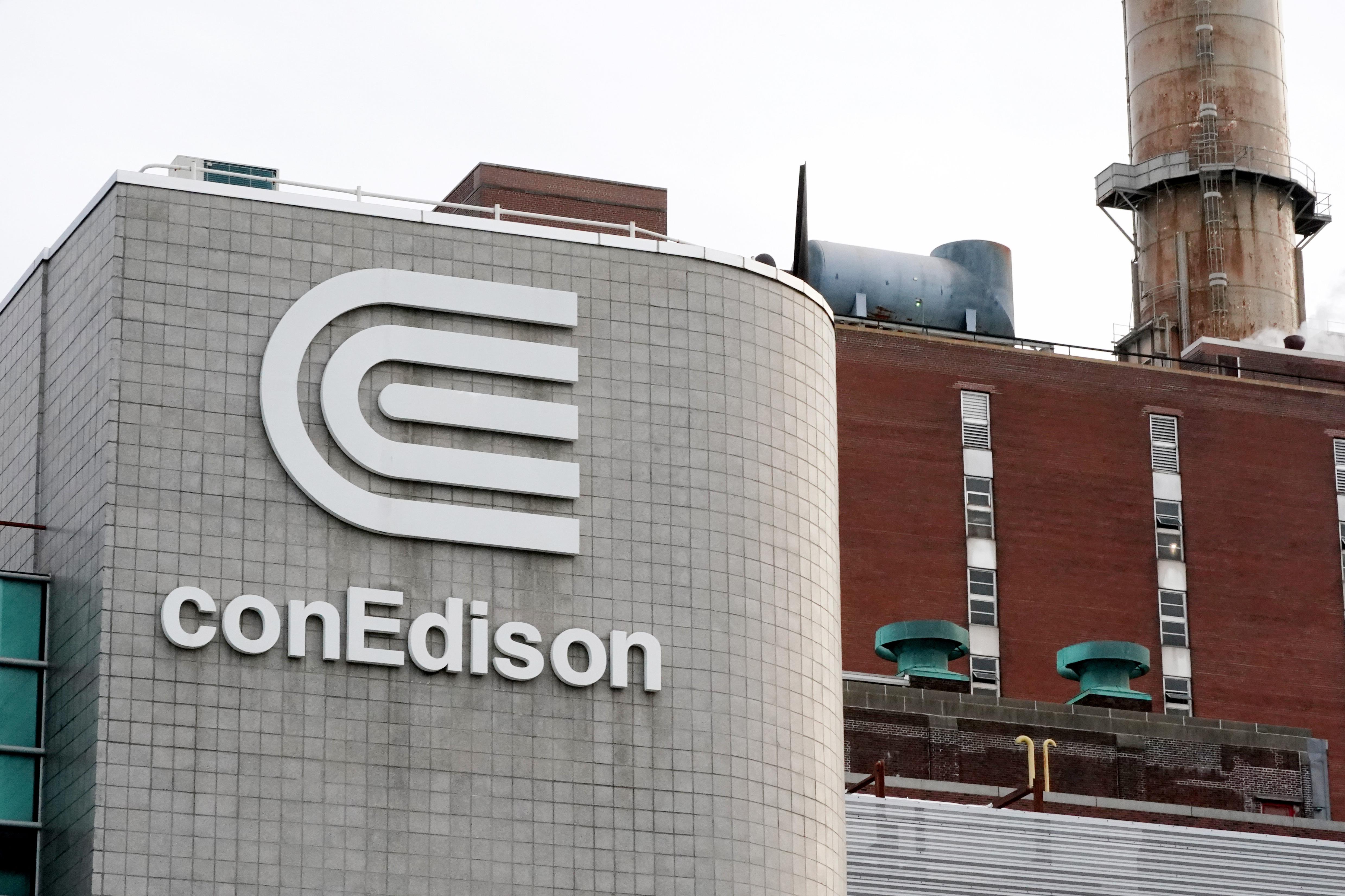
Make New York Post a Preferred Source Today the property tax alone adds roughly 5.4 cents per kilowatt-hour to customer bills in the five boroughs, a Manhattan Institute analysis found. That's about $15 per month tacked on to a typical apartment's electric bill, and more than $32 for a single-family house. Christopher Sadowski for NY Post Consolidated Edison customers are about to get some shocking news about their electricity service: A huge part of their bill, 21% of the delivery charge for the average customer, is paying ConEd’s property taxes.
And Mayor Mamdani doesn’t want you to know that.
The city’s unique and highly dysfunctional property-tax system has for decades allowed mayors and the City Council to shift taxes onto its utility systems, Con Ed being the biggest.
Con Ed’s property tax bill for its electric system jumped from $1 billion in 2015 to more than $2.1 billion last year, all with Albany’s blessing.
No other major city comes close to Gotham in cramming such a big property-tax burden into consumers’ utility bills.
The taxable value of Con Ed’s system has exploded for reasons ranging from rising component costs — the basis for much of the tax calculation — to the state’s 2019 climate law, which required Con Edison to upgrade its grid (driving up its tax liability).
But in many respects, the property values were little more than numbers.
What matters is that the city chose, year after year, to keep squeezing more money out of that system knowing full well that ratepayers would end up paying the bill.
It’s another tax hike on New Yorkers, hidden in your electricity bill.
Today the property tax alone adds roughly 5.4 cents per kilowatt-hour to customer bills in the five boroughs, a Manhattan Institute analysis found. That’s about $15 per month tacked on to a typical apartment’s electric bill, and more than $32 for a single-family house.
It’s a big part of why residential electric rates are higher in New York City than in any other major city in the eastern United States. That tax is also far bigger than the other, smaller taxes disclosed on Con Edison bills.
Taken together with the other two taxes that New York City directly adds to electric bills, the sales tax and the gross-receipts tax, city tax alone adds 8 cents per kilowatt-hour — and that’s not including state taxes or the other normal business taxes Con Edison pays.
The Public Service Commission, the state board that regulates utility rates, for years has been critical of the high property-tax bills Con Edison was being forced to pass along to its customers. But the PSC is powerless to prevent it.
Earlier this year, though, the seven-member body did the next best thing: It gave Con Edison permission to show its New York City customers just how much of their bill covers city property taxes. By the start of next year, customers will see greater detail on where their “delivery” charge, the biggest part of their bills, is going.
(Don’t go cheering the PSC as champions of transparency and free speech just yet: This is the same board that won’t allow utilities to itemize the cost of various renewable-energy subsidies and other climate mandates.)
When the looming change was publicized earlier this month, a Mamdani spokesman accused Con Ed of “misleading” customers.
It’s likely that the mayor’s office will push hard to prevent the transparency measure Con Ed is set to roll out.
That’s because Mamdani (and virtually all of his colleagues, Democrats and Republicans alike) signed off on mundane-sounding bills that gave the City Council permission to keep shifting more of the city’s tax burden onto utilities.
And Mamdani as mayor is spending every penny that this arrangement brings in.
Con Edison’s electric system — meaning Con Edison electricity customers — paid the equivalent of 6% of the city’s property-tax receipts last year, up from 4.4% a decade ago.
It should be closer to zero: The city could, if it chose, replace the property tax with a higher sales tax. But then it couldn’t hide that tax the way officials would like to.
Ken Girardin is a fellow at the Manhattan Institute.