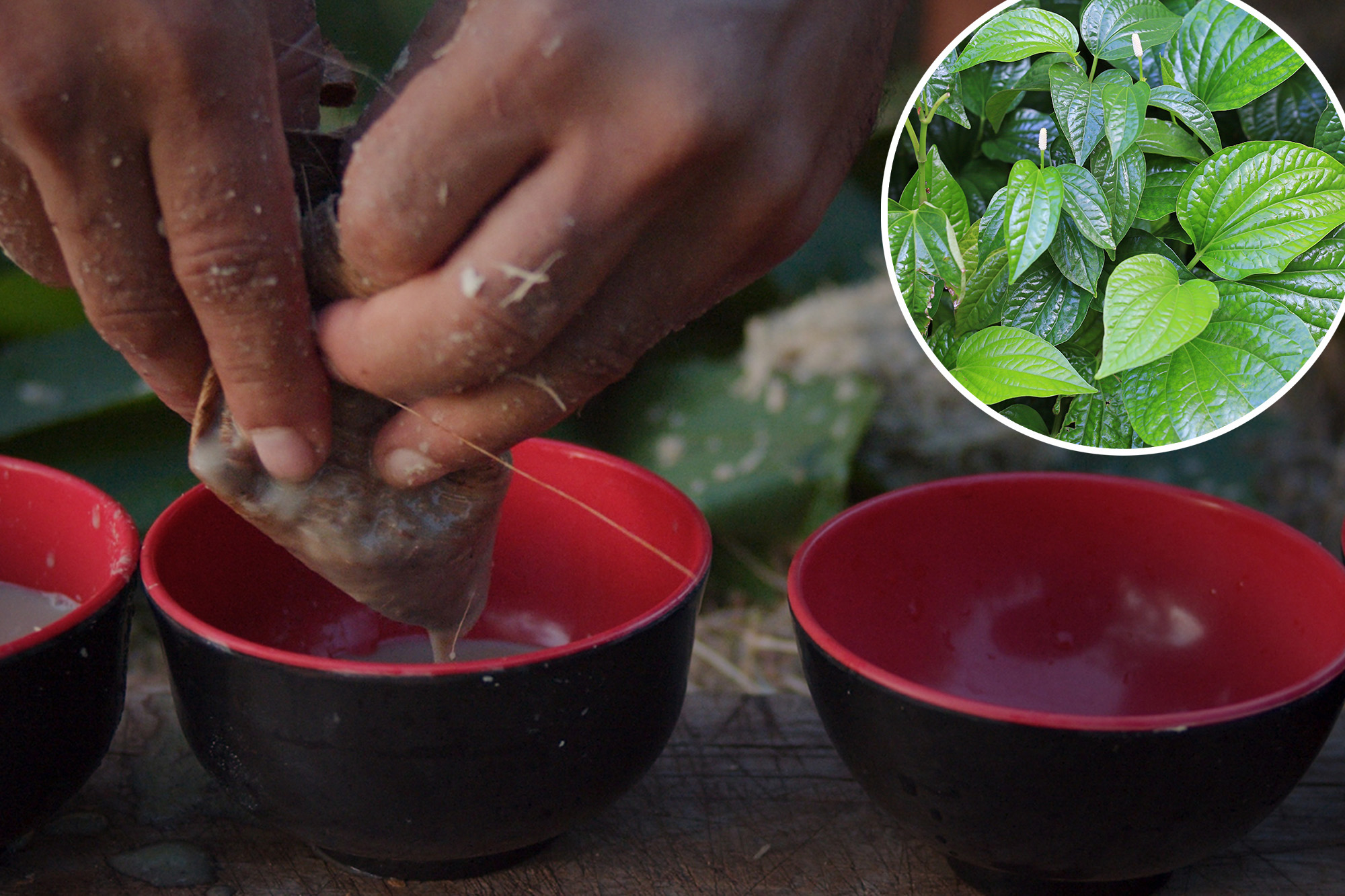
Marketed to the sober-curious as a squeaky-clean swap for alcohol, one drink additive is the culprit behind a massive spike in poison reports between 2011 and 2025, according to a new study out of the University of Virginia.
Kava, a tropical plant native to the Pacific Islands, has been used as a ceremonial drink among indigenous peoples in Fiji and across the South Pacific for thousands of years.
The drug derived from the kava plant has been used in traditional ceremonies across the Pacific Islands for thousands of years. simanlaci – stock.adobe.com It was brought to the continental US in the early 20th century as a cure-all pharmaceutical that promised to tackle gonorrhea, kidney disease and anxiety.
Since then, the drug compound derived from the plant has remained unregulated and is now often sold in “concentrated extracts and ready-to-drink beverages and commonly marketed as a healthy alternative to alcohol,” according to the report.
In 2002, the FDA issued a warning about liver failure associated with kava products, which led to a dip in reports of kava-related calls to the agency’s poison control hotline.
But researchers say that trend is on the outs.
In the last 15 years, modern teetotalers have driven up demand for non-alcoholic products like CBD, kratom and kava that might provide a mild buzz but generally come with fewer negative health outcomes.
In 2011, poison control centers registered 57 calls about kava. In 2025, the number was 203 — a 383% jump. Also in 2025, 30% of those calls were about the combined use of kava and kratom, a different drug that has been known to lead to “psychotic symptoms and psychological and physiological dependence,” according to the DEA.
The researchers — from UVA Health’s Blue Ridge Poison Center — said eight kava-related deaths were reported between 2000 and 2025 and that the overall majority of calls came from men aged 20 and older.
The kava plant is native to the Pacific Islands and was first brought to the US in the early 20th century. zilvergolf – stock.adobe.com About the findings, the Blue Ridge Poison Center’s director, Dr. Chris Holstege, said that kava products are sold in stores throughout his area, but few people know about the potential side effects.
“The public needs to be aware of potential complications associated with the consumption of these products,” he said in a statement.
In its traditional capacity, kava (also known as kava kava or kavalactones) “acts as a sedative and can reduce anxiety,” according to the report.
Dubbed nature’s valium by The Guardian in 2001, many fans of the drug point to a 1996 study from Germany that found kava reduced chronic anxiety symptoms in 29 patients compared to 29 other participants who had been given a placebo.
But since the 1990s, the drug has become widely available in the form of unregulated commercial drinks, pills and extracts that are “anywhere from two to 10 times more potent than traditional kava beverages,” the new analysis warned.
Some of the more commonly reported health complications associated with kava include rapid heartbeat, vomiting and nausea. More serious side effects have also been reported, like liver injury.
And the risk for potential seizures and tremors increases when consumed alongside kratom.
Still, kava-themed bars and prepackaged beverages don’t seem to be slowing down much, with extra appeal for alcohol-adverse urbanites looking for a fun beverage that won’t leave them with a hangover the next day.