Renters and landlords who find themselves at odds with each other over issues with maintenance, repairs, and rental increases have several options when it comes to mediation.
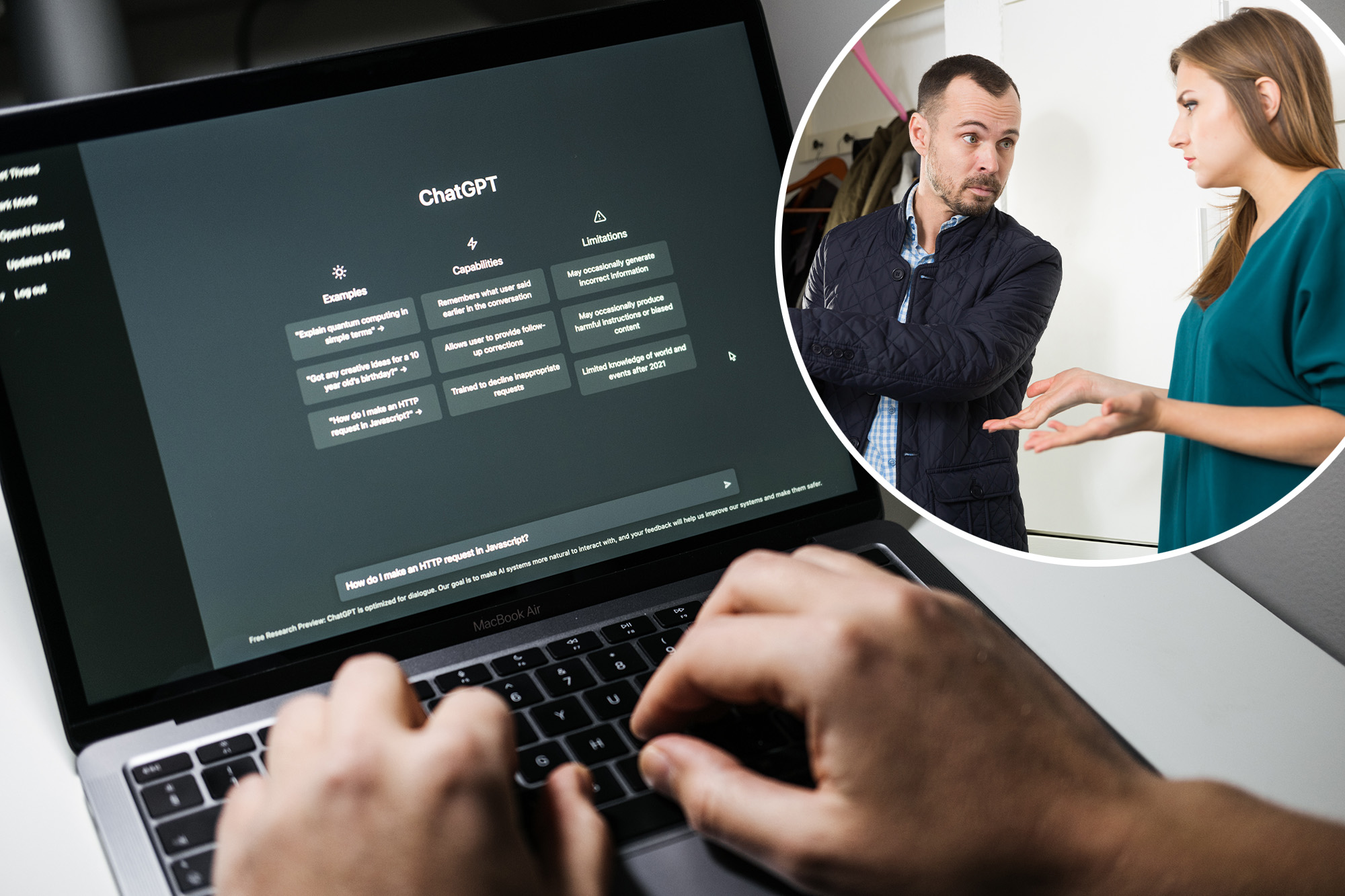
Most would agree that legal intervention should be a last resort, but according to a new survey by Avail, independent landlords are turning to another resource to help with renter disputes: artificial intelligence.
Along with tapping platforms like ChatGPT for general tasks, AI has become a sounding board for landlords to ask for advice on everything from conflict resolution to local-law research and lease language clarification.
But is it safe for landlords—and renters—if this becomes a widespread practice?
Today’s modern landlord is more apt to use technology, perhaps due to the fact that many haven’t been landlords for very long.
In the Avail survey, 47.4% of respondents have managed properties for three years or less, and they are eager to turn to digital solutions to bridge the gap with their more experienced counterparts.
Regardless of longevity, 75.7% of landlords admitted to either currently using or being open to AI technology to run their business.
To that end, the Avail data shows that landlords are primarily utilizing AI as a “specialized consultant.”
Interestingly, navigating complex landlord-tenant issues and local rules is the most frequent use of AI (21.2%), followed closely by its use in drafting legal notices or lease language (14.7%).
Beyond compliance, landlords are leveraging these tools to attract new renters, with 11.2% using AI to write property descriptions.
AI is undeniably the future for many businesses, but landlords and renters should exercise caution when utilizing these tools, particularly in situations that require legal expertise.
“Because I am an experienced AI user, I approach its output with a healthy dose of skepticism,” shares Ana, an independent landlord since 2021 and a user of the Avail platform who spoke to Realtor.com®.
“General-purpose AI models aren’t landlording experts. In this industry, where compliance and local regulations are everything, ‘mostly accurate’ isn’t good enough. I need data that is vetted by professionals who understand the nuances of the rental market.”
“The problem with using AI for landlord advice is that landlord advice is generally legal advice,” says Joshua Krefetz, director of the litigation department at Ligris & Associates P.C.
Start your day with all you need to know Morning Report delivers the latest news, videos, photos and more.
“The major AI platforms such as ChatGPT are extremely unreliable for legal information and will often ‘hallucinate’ legal cases, statutes, or quotations. Any legal information from a general-purpose AI platform (as opposed to a dedicated legal platform such as Westlaw) should be taken with a grain of salt and manually verified.”
It’s important to remember that ChatGPT can’t be held legally accountable if something goes wrong; you as the landlord can be though. Bottom line, if you need legal advice, it’s best to get a lawyer.
“In the event of disputes, it’s always worth trying to resolve it informally first,” advises Krefetz.
“No one likes litigation except lawyers (and even we don’t like it sometimes). However, if the landlord and tenant have reached an impasse, it’s worth consulting an attorney experienced in landlord-tenant law as early as possible. Especially for landlords, procedural or technical missteps early on can result in dismissal of a case many months down the line, even if the tenant owes many months of rent. That can make a mistake extremely expensive, as the landlord will need to file a new case but with a much larger arrearage.”
But what about issues that arise that don’t necessarily require legal guidance?
Landlords like Ana agree that most friction points between landlords and tenants stem from differences over maintenance responsibilities and rent adjustments.
Krefetz notes that landlords’ most common disputes “concern nonpayment of rent by the tenant.”
While AI tools might help landlords draft a more cohesive email or offer advice on how to fix a building feature, clear and early communication with a tenant, regardless of topic, will go a long way in keeping things professional and out of the need for legal action.
“Ambiguity is the enemy here; if the lease doesn’t explicitly define who is responsible for what (from lightbulbs to HVAC filters) it creates tension,” explains Ana.
“Similarly, with rent increases, I’ve learned that even a modest increase can cause significant pushback if not communicated transparently and with sufficient notice. Clarity and early communication are the best tools for preventing these issues from escalating.”